AI Generated Image
A SpaceX rocket will crash into the moon next week, and scientists aren't sure what to expect
Yahoo • • science
Key Points:
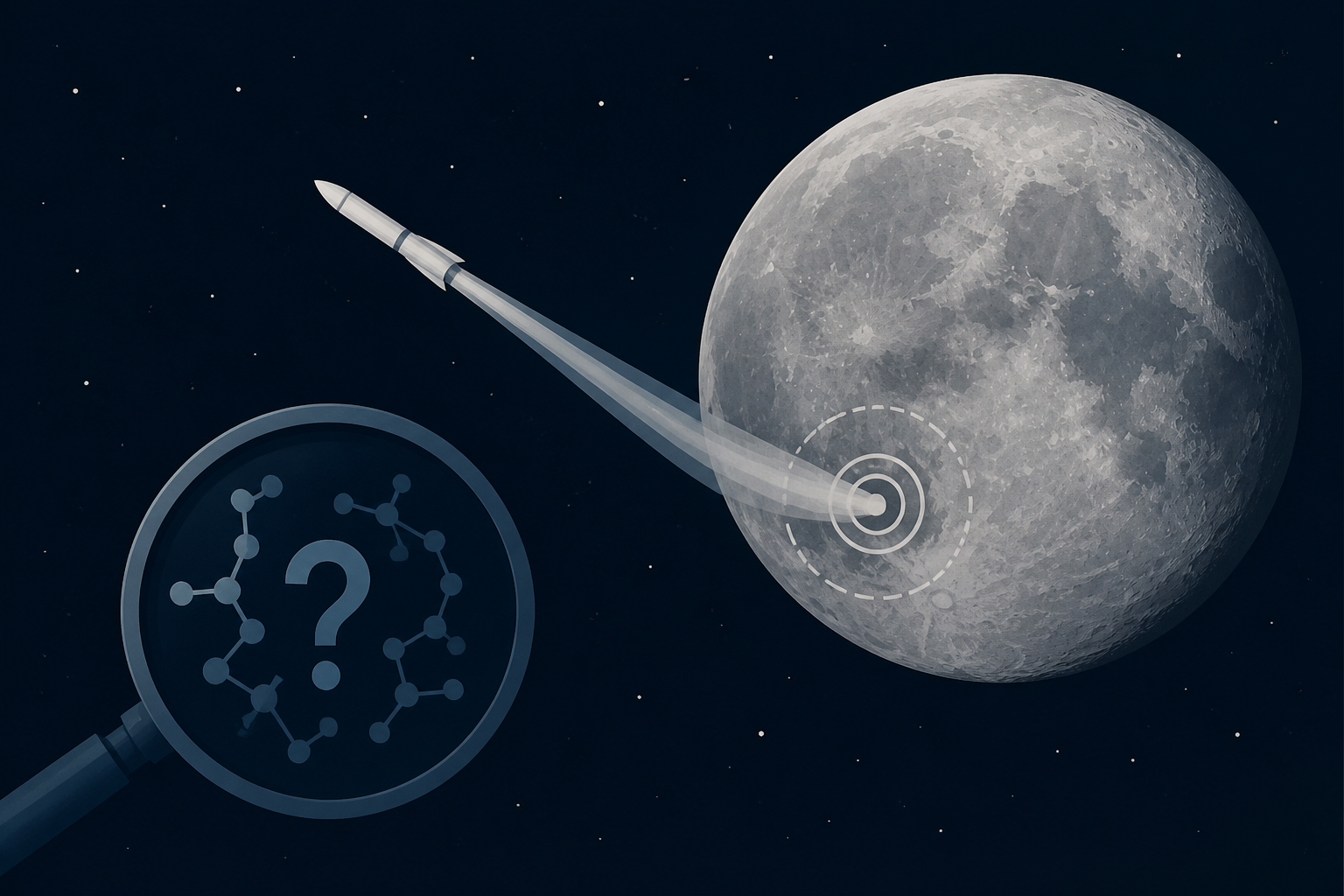
- On August 5, a spent SpaceX Falcon 9 upper stage from a January 2025 lunar mission is expected to collide with the Moon near the Einstein and Bell craters, creating a visible ejecta plume potentially observable with sensitive telescopes.
- Simulations predict the debris plume could reach altitudes of 75 to 100 kilometers and be significantly brighter than the dark lunar sky for several minutes, offering a rare chance to study ejecta plume dynamics from a human-made impact.
- This event provides a valuable opportunity to calibrate lunar impact models, test seismic localization methods for future missions, and assess hazards posed by artificial space debris to astronauts and infrastructure on the Moon.
- NASA's Lunar Reconnaissance Orbiter will survey the impact site about a week before and after the collision to better locate and analyze the aftermath.
- Researchers emphasize the importance of observing the ejecta plume beyond the initial impact flash to maximize scientific insights into the behavior of impacts involving hollow, human-made objects.


