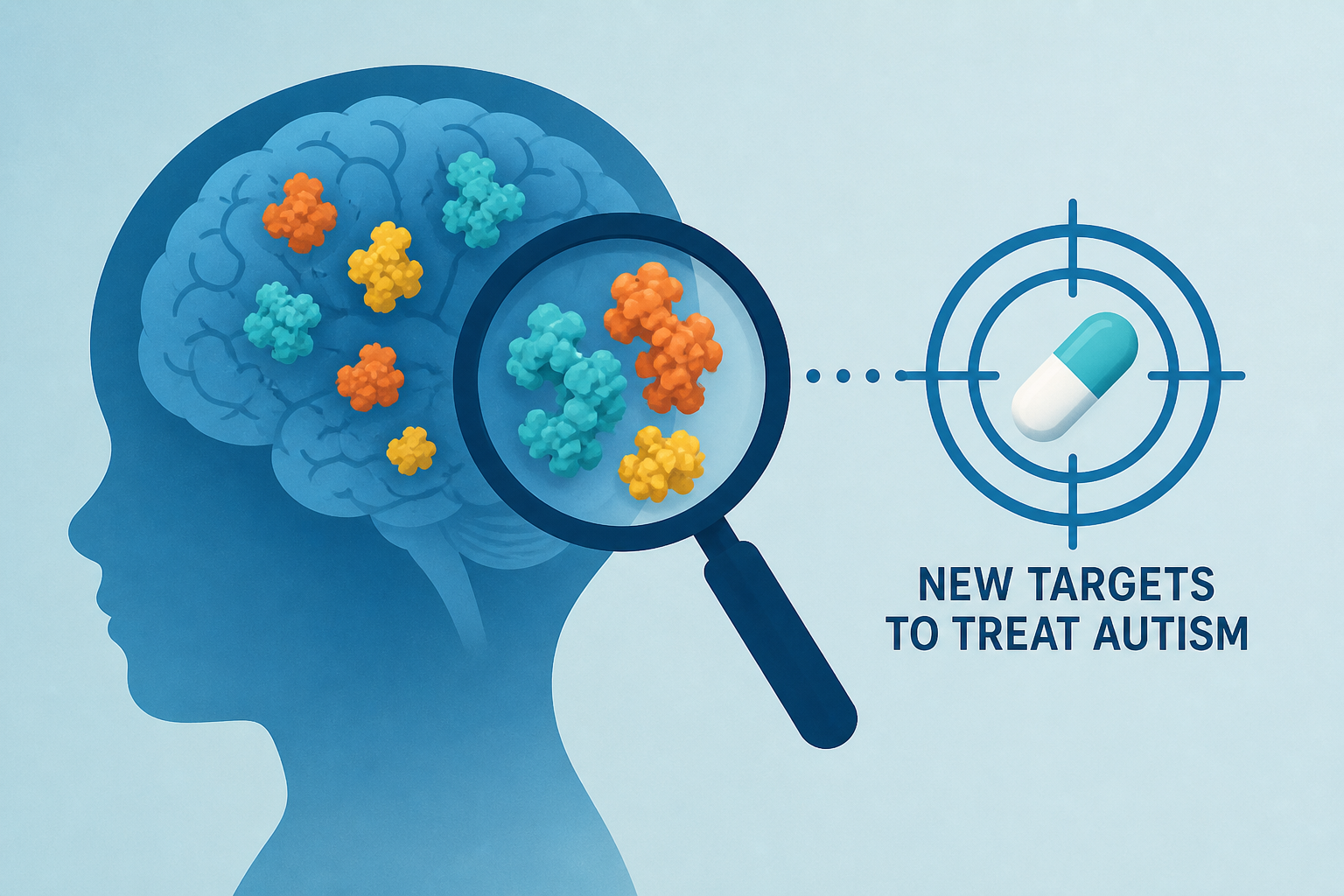
AI Generated Image
A Study of Brain Proteins Offers New Targets to Treat Autism
The New York Times • • health
Key Points:
- Scientists have identified how genetic mutations disrupt protein interactions in cells, affecting brain development and leading to severe forms of autism, according to a new study.
- The research provides detailed maps of molecular changes caused by mutations, which could facilitate drug testing aimed at treating autism.
- Autism is a complex spectrum disorder with varied symptoms, ranging from language difficulties and social challenges to intellectual disabilities requiring extensive care.
- About 30 percent of individuals with the most severe autism have single gene mutations strongly linked to the disorder, offering a clearer target for scientific investigation.
- Advances in understanding autism's molecular biology have been slow due to its complexity, but recent studies are beginning to unlock critical biological mechanisms.


