AI Generated Image
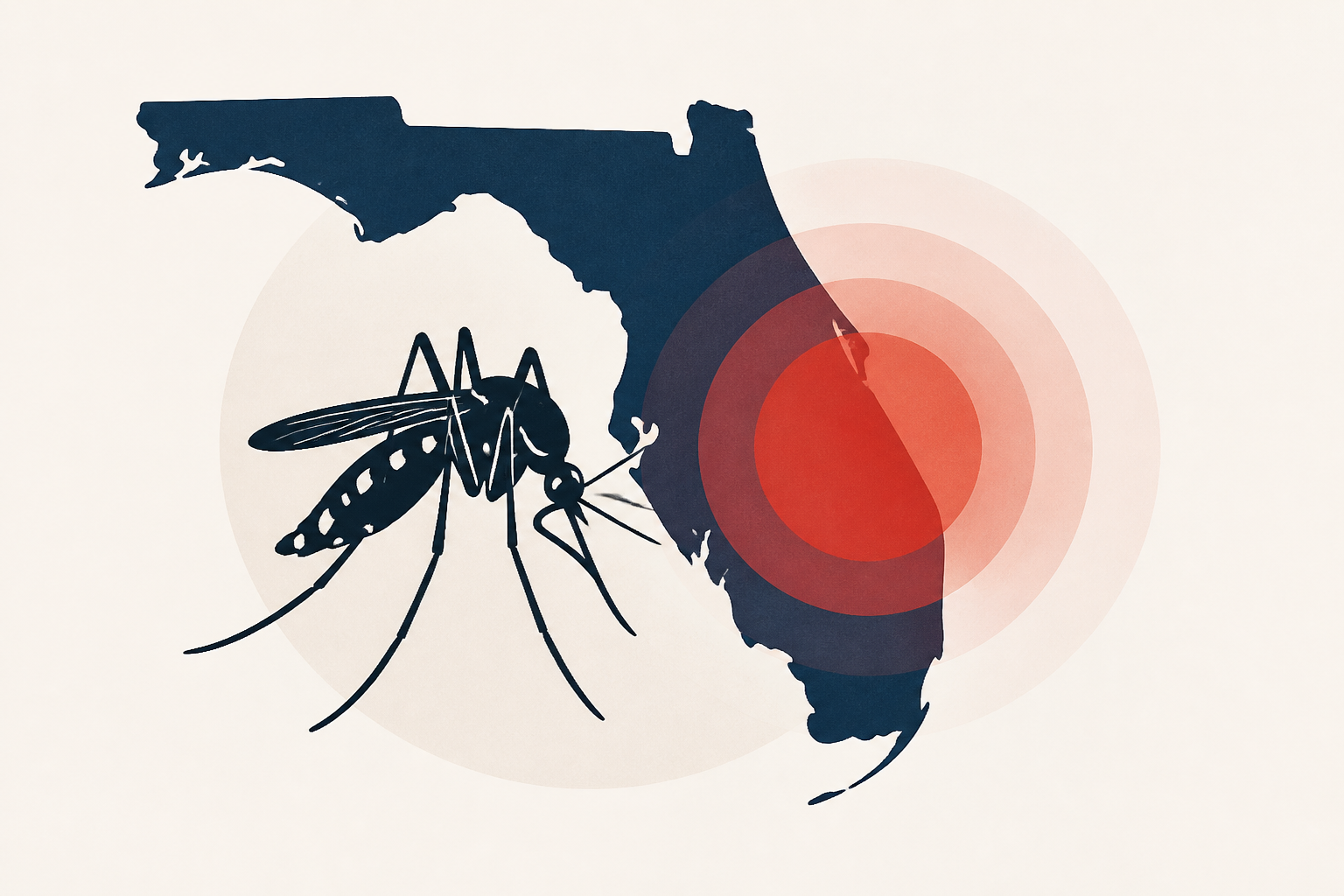
‘Breakbone fever’ is spreading in Florida
New York Post • • health
Key Points:
- Dozens of people in Florida have been diagnosed with locally acquired dengue fever, a mosquito-borne illness typically found in tropical regions, with 39 of the 40 US-acquired cases reported in Florida this year.
- Dengue, caused by Aedes mosquitoes, leads to severe joint and bone pain, fever, headaches, and nausea, and while most cases are travel-related, local transmission is increasing due to the expanding mosquito population driven by rising temperatures.
- In 2024, US dengue cases surged by 359% compared to the two-decade average, with infections documented in multiple states including Florida, California, Texas, and New Jersey, highlighting multiple virus introductions rather than a single outbreak.
- Severe dengue can cause life-threatening symptoms such as bleeding, low blood pressure, and organ failure, with a fatality rate up to 50% without treatment; there is no specific cure, so prevention focuses on avoiding mosquito bites and controlling mosquito populations.
- The CDC emphasizes the need for enhanced surveillance, vector control, and public health preparedness to manage the increasing risk of locally acquired dengue in areas with competent mosquito vectors.


