AI Image
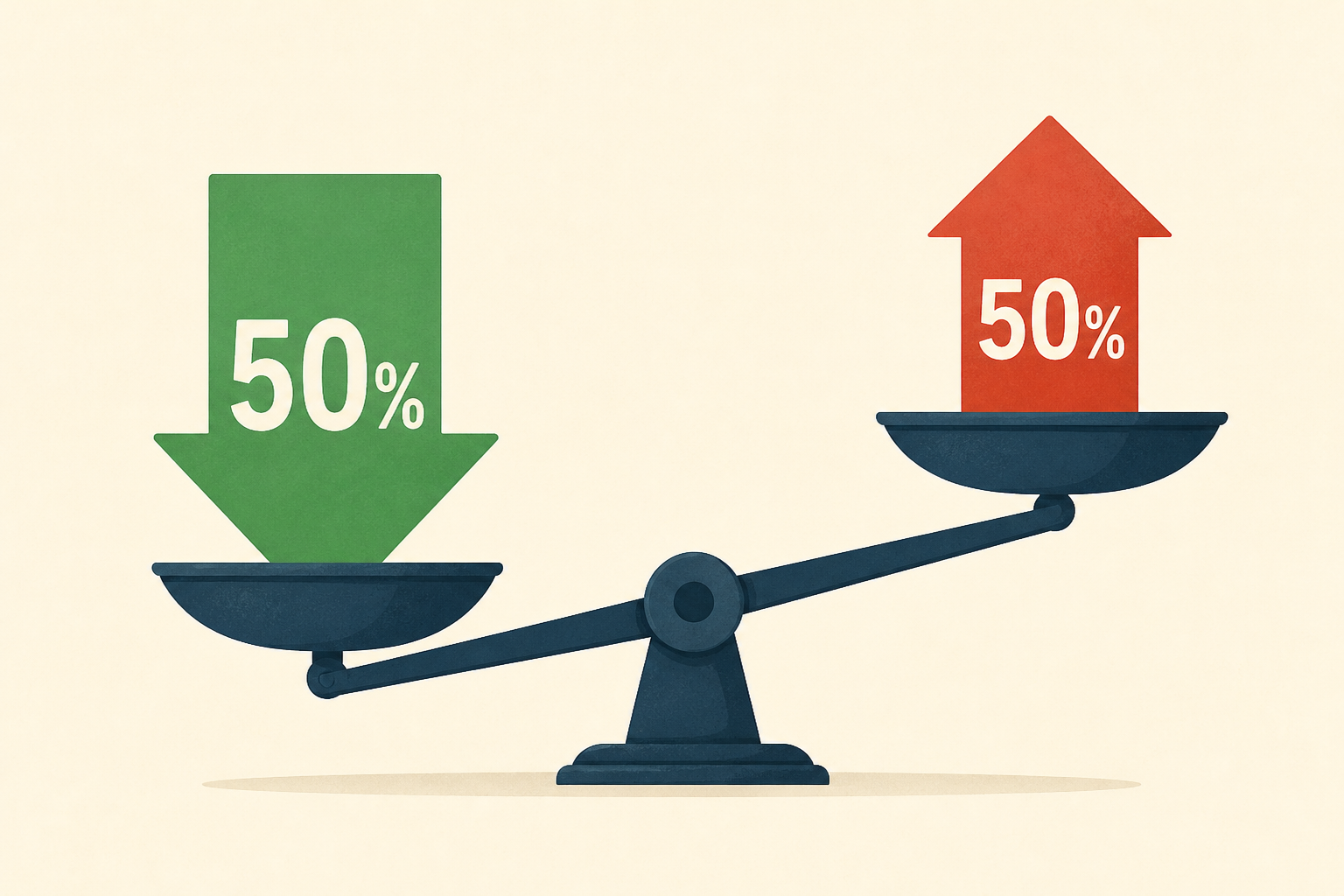
A study of dynamic pricing found half the U.S. changes it recorded were decreases
Fortune • • business
Key Points:
- Digital price tags are increasingly replacing paper labels in U.S. grocery stores, with AI-driven dynamic pricing tools helping retailers adjust prices based on market conditions, sparking consumer concerns over fairness and transparency.
- While companies like Walmart assert that digital labels update prices regularly without targeting individual shoppers, misconceptions and social media rumors about personalized or surveillance pricing have fueled public anxiety.
- Personalized pricing, which uses customer data to offer different prices based on factors like location or browsing habits, is under scrutiny by lawmakers, leading to new state laws and FTC proposals aimed at regulating or restricting such practices.
- Algorithmic pricing enhanced by AI is becoming more common, allowing businesses to optimize prices in real time, but this technology has also attracted legal challenges, such as the FTC’s lawsuit against Amazon alleging anti-competitive use of pricing algorithms.
- Despite fears of surge pricing in retail, experts note that frequent price changes remain rare in grocery stores, and digital price labels primarily facilitate efficiency and consistency rather than individualized price hikes.


