AI Image
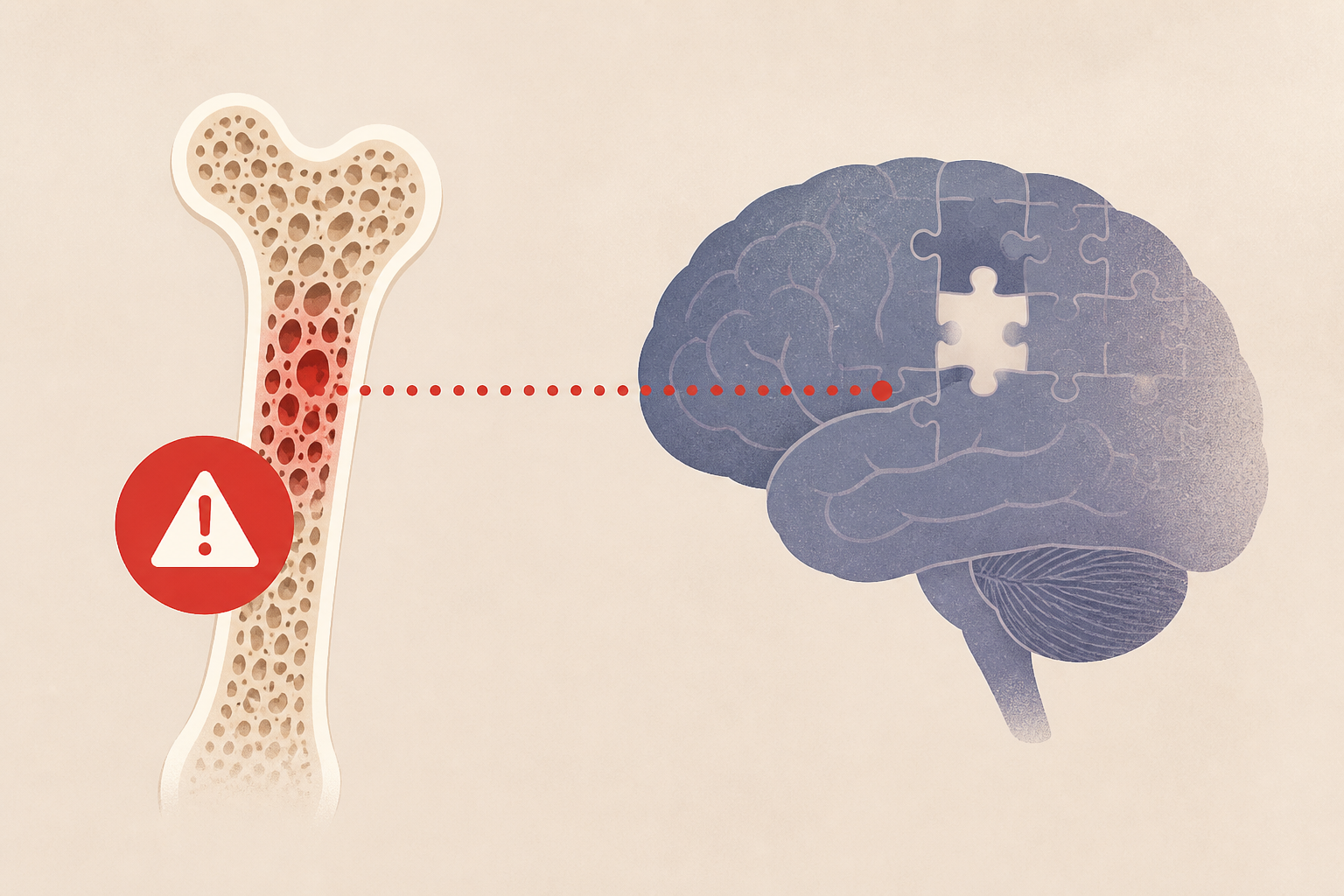
A surprising red flag in your bones could signal future brain decline
New York Post • • health
Key Points:
- Researchers at Johns Hopkins discovered that lower bone density, measurable via routine chest CT scans, is linked to faster decline in brain white matter integrity and cognitive function, suggesting bone health could indicate brain aging.
- White matter degradation, associated with dementia and stroke risk, correlates with low bone density, particularly affecting brain areas responsible for cognition and executive function.
- The study found that individuals with lower bone density experienced quicker accumulation of white matter hyperintensities—brain abnormalities tied to vascular damage and cognitive decline.
- Cognitive testing showed that people with reduced bone density declined faster in memory, attention, and processing speed, highlighting bone density as a potential marker for broader biological aging.
- Utilizing existing chest CT scans to assess bone density could help identify individuals at risk for accelerated brain aging earlier, allowing for timely intervention and monitoring to manage risk factors and potentially slow diseases like Alzheimer’s.


