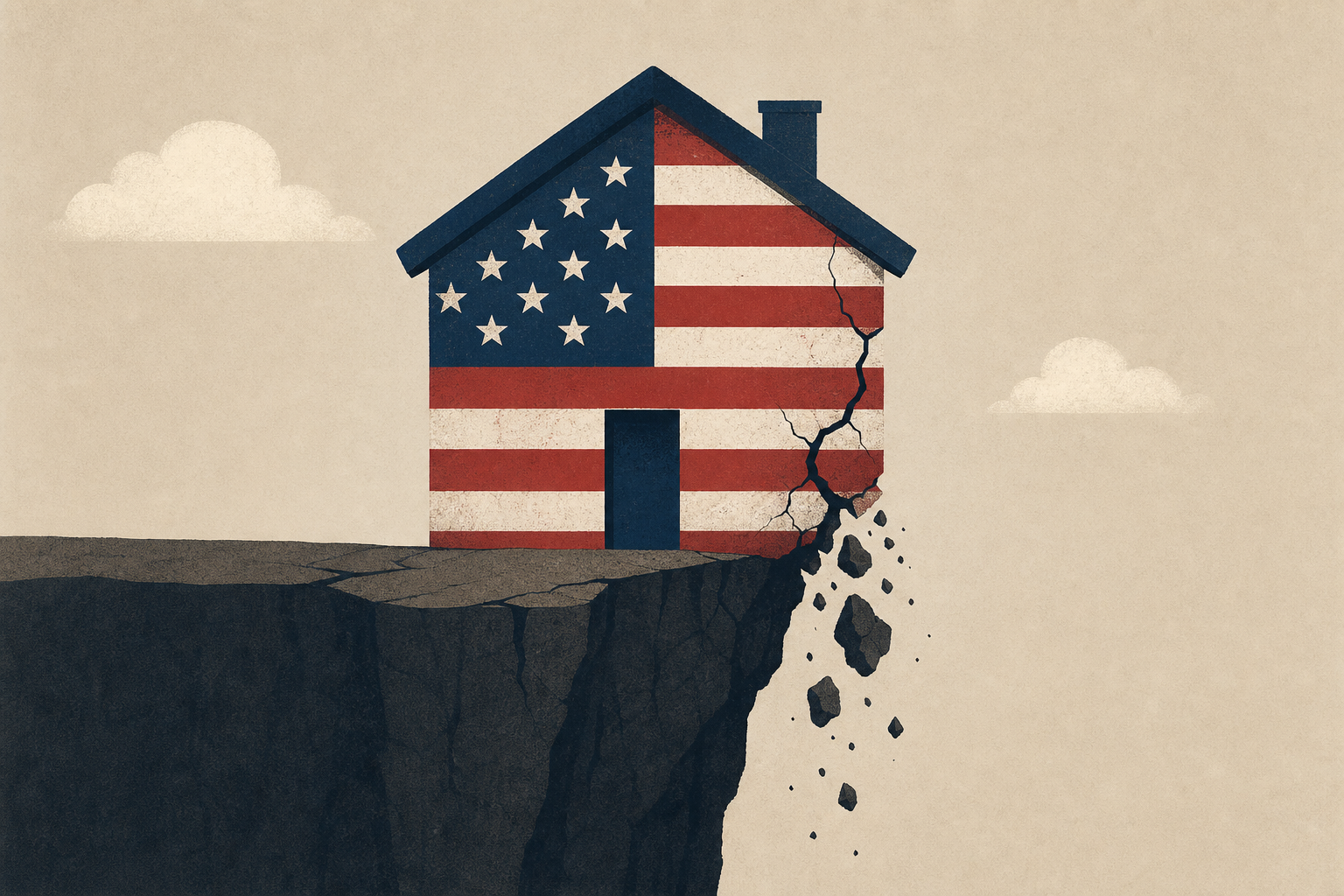
AI Generated Image
After 250 years the American Dream is surviving, but only just
BBC • • nation
Key Points:
- Abdi Nor Iftin, a Somali refugee who won a US diversity visa in 2013, embodies the traditional American Dream but has recently faced challenges such as job loss and loss of health insurance, reflecting broader doubts about the Dream's accessibility.
- Surveys indicate a growing skepticism among Americans about the American Dream, with only about a third believing it still exists and many feeling the country's best days are behind it, especially amid economic inequality and political polarization.
- The American Dream, historically linked to social mobility and economic opportunity, has been eroded since the 1970s due to globalization, wage stagnation, and the 2008 financial crisis, leading to diminished prospects for younger generations.
- Immigration policies have tightened under recent US administrations, reducing the number of new immigrants who traditionally viewed the Dream as attainable, while some Americans are emigrating due to economic and political dissatisfaction.
- Despite widespread pessimism, a significant portion of Americans still believe in the Dream's ideals, viewing it as a symbol of hope and opportunity, suggesting that the concept remains a vital part of American identity and a call to action for renewal.


