AI Image
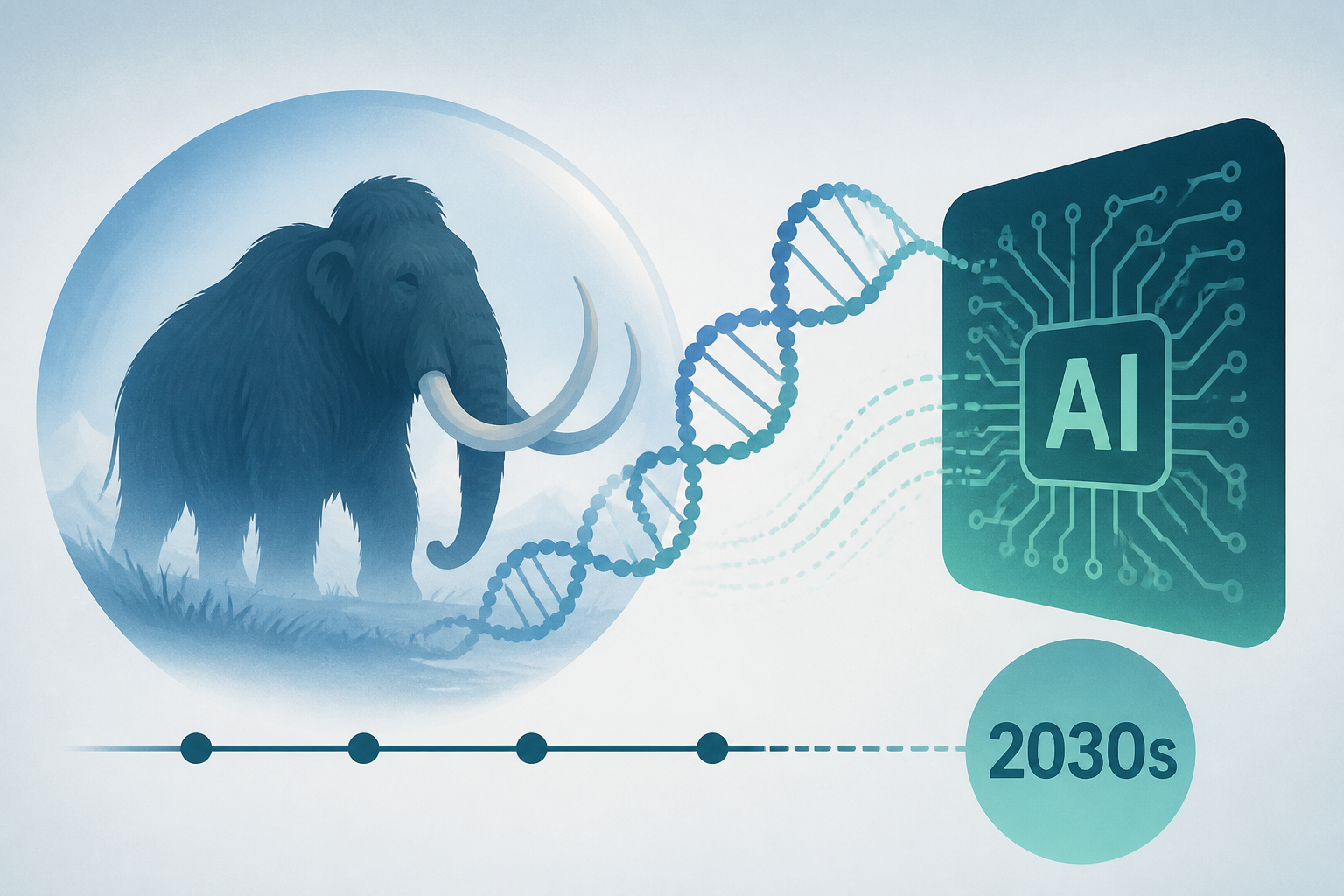
AI enlisted as woolly mammoth revival timeline slips to 2030s
New York Post • • science
Key Points:
- Colossal Biosciences is facing delays in its woolly mammoth de-extinction project, pushing the timeline for lab-grown mammoths from the mid-2020s to the early 2030s.
- The company underestimated the complexity of gene editing, now needing to modify over 150 genes to transform an elephant nucleus into a mammoth nucleus, compared to the initial estimate of 60 genes.
- AI and CRISPR technology are critical tools in their efforts to reconstruct mammoth DNA from frozen Siberian remains and to study genetic traits such as ear size.
- Colossal has successfully created woolly mice using mammoth genes for shaggy hair, demonstrating progress in applying mammoth genetics to living organisms.
- Beyond mammoths, the company is also working on de-extinction projects for other extinct species like the dire wolf, dodo bird, Tasmanian tiger, and moa.


