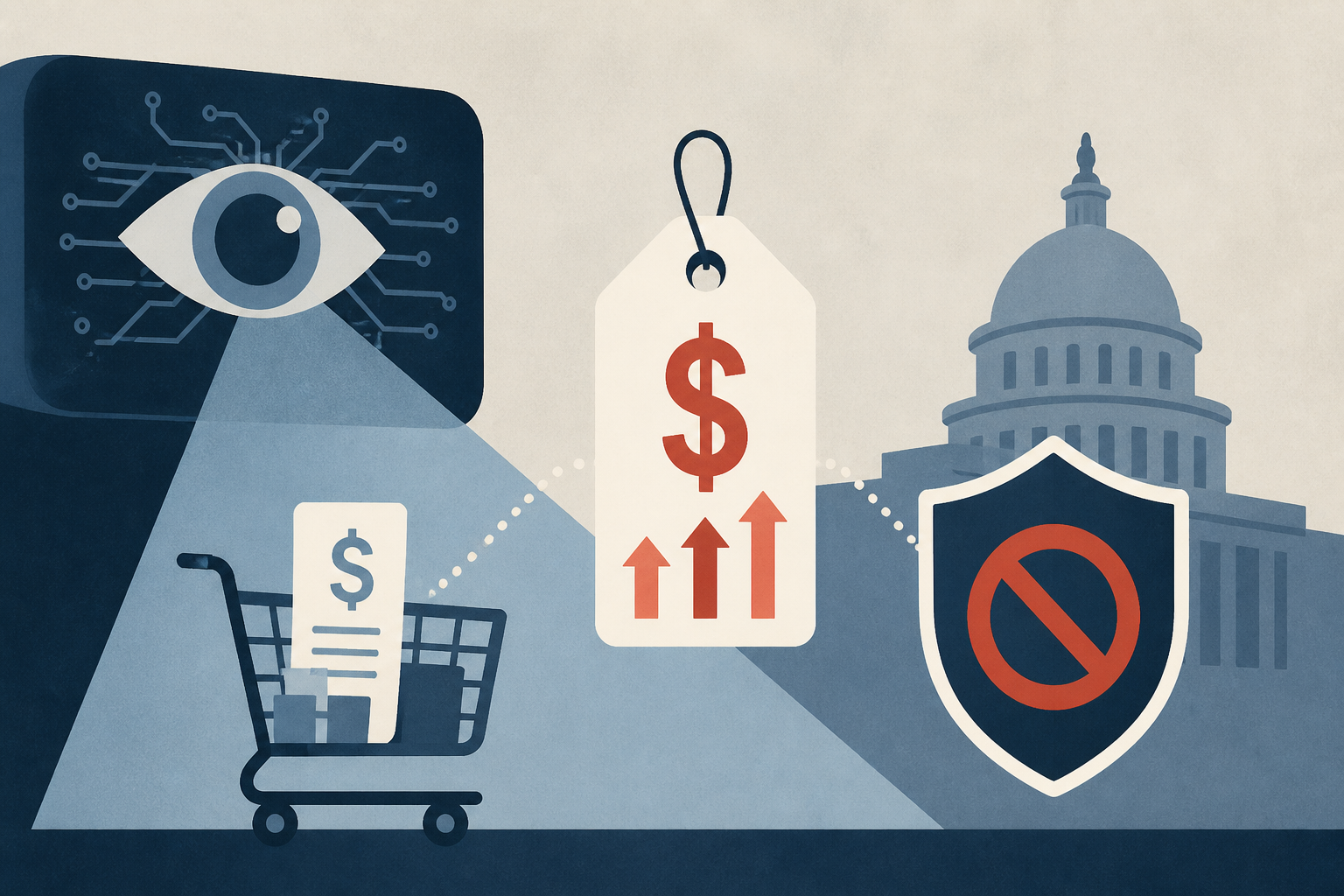
AI Generated Image
AI is watching your spending and setting your prices accordingly. Lawmakers want to stop it
Los Angeles Times • • business
Key Points:
- In 2025, a New York resident sued JetBlue Airlines, alleging the airline used customers' personal data for surveillance pricing, a practice where prices are personalized based on factors like income and search history; JetBlue denied these claims.
- California lawmakers are considering Assembly Bill 2564 to ban surveillance pricing, reflecting growing concerns about fairness and privacy, with similar laws proposed or enacted in other states like New Jersey and New York.
- Surveillance pricing uses data such as browsing behavior and demographics to set individualized prices, a practice with historical roots but now enhanced by digital technologies and AI, raising ethical and transparency issues.
- While many consumers view personalized pricing as unfair, some studies suggest it can lead to lower prices for certain customers and increased sales for companies, prompting debate among experts and policymakers about potential benefits and harms.
- Critics argue that banning surveillance pricing might limit companies' ability to offer discounts and reduce prices, while supporters emphasize the need for transparency and fairness to prevent discriminatory pricing and consumer confusion.


