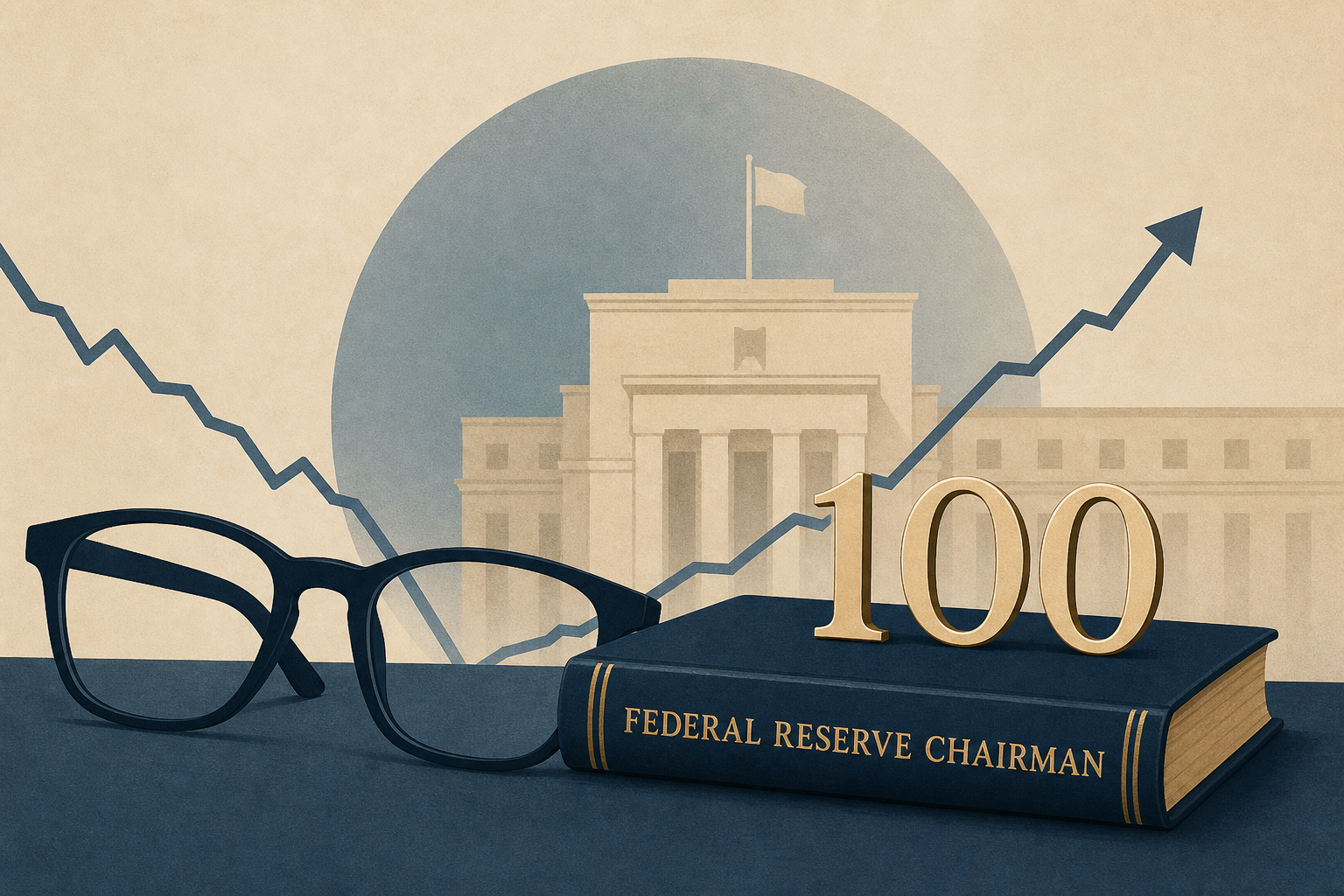
AI Generated Image
Alan Greenspan, Fed Chairman Through Prosperity and Crisis, Dies at 100
The New York Times • • nation
Key Points:
- Alan Greenspan, former Federal Reserve chairman who led the central bank from 1987 to 2006, died at age 100 due to complications from Parkinson’s disease.
- Greenspan served under four U.S. presidents and was a key figure in shaping market-friendly economic policies during a period of post-Cold War prosperity.
- He championed free-market capitalism, technological optimism, and deregulation, but his policies have also been linked to negative outcomes like financial deregulation, job losses from free trade, and asset bubbles.
- Despite managing interest rates to sustain economic growth, Greenspan was cautious about the risks posed by easy monetary policy and complex financial innovations, though he was often reluctant to intervene.


