AI Generated Image
Alcohol-Related Cancer Deaths in the US Have Doubled Since 1990, and Not Just Among Those With Liver Cancer
gizmodo.com • • health
Key Points:
- A new study analyzing data from 1990 to 2023 identifies alcohol as a significant factor in the rise of colorectal cancer cases among young adults aged 20 to 54 in the U.S., with colorectal cancer being the leading alcohol-attributable cancer death cause for men and the second for women after breast cancer.
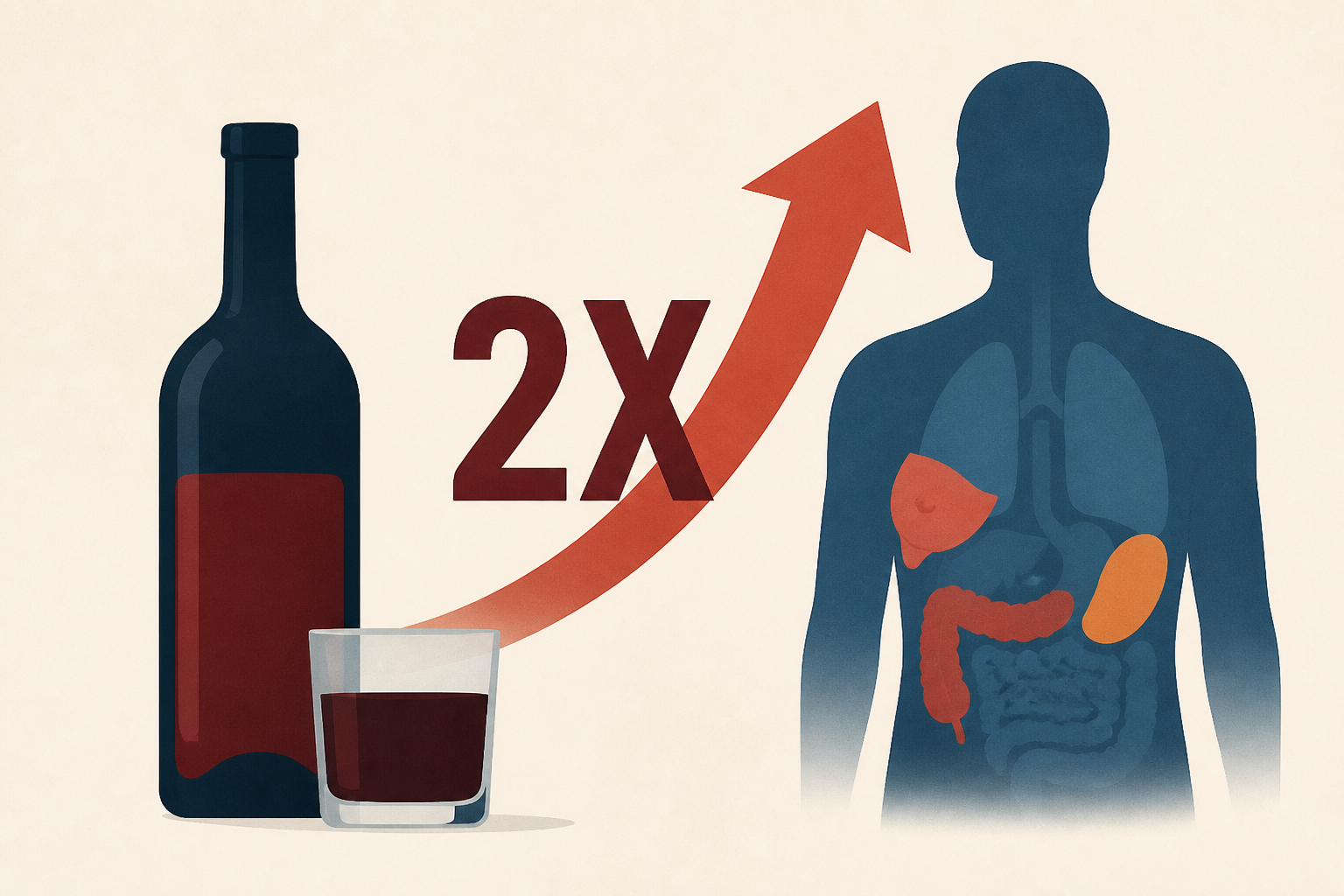
- Alcohol-attributable cancer deaths in the U.S. have more than doubled over the past three decades, increasing from approximately 11,400 deaths in 1990 to over 23,100 in 2023 annually, impacting various cancer types beyond liver cancer, including colorectal, esophageal, breast, pancreatic, and prostate cancers.
- Despite alcohol being classified as a Group 1 carcinogen, public awareness of its cancer risks remains low compared to other carcinogens like tobacco; efforts to mandate warning labels on alcoholic beverages have faced legislative resistance.
- Moderate alcohol consumption, even within government-defined standard drink levels, is linked to increased cancer risks, particularly breast cancer in women, and the study suggests a strong connection between alcohol use and the rising colorectal cancer rates in younger adults.
- Researchers emphasize the need for further studies to determine the lowest safe alcohol consumption level, noting limitations in existing data regarding patient demographics and socioeconomic factors, while highlighting that alcohol-related cancer risks affect diverse populations and multiple cancer types.


