AI Generated Image
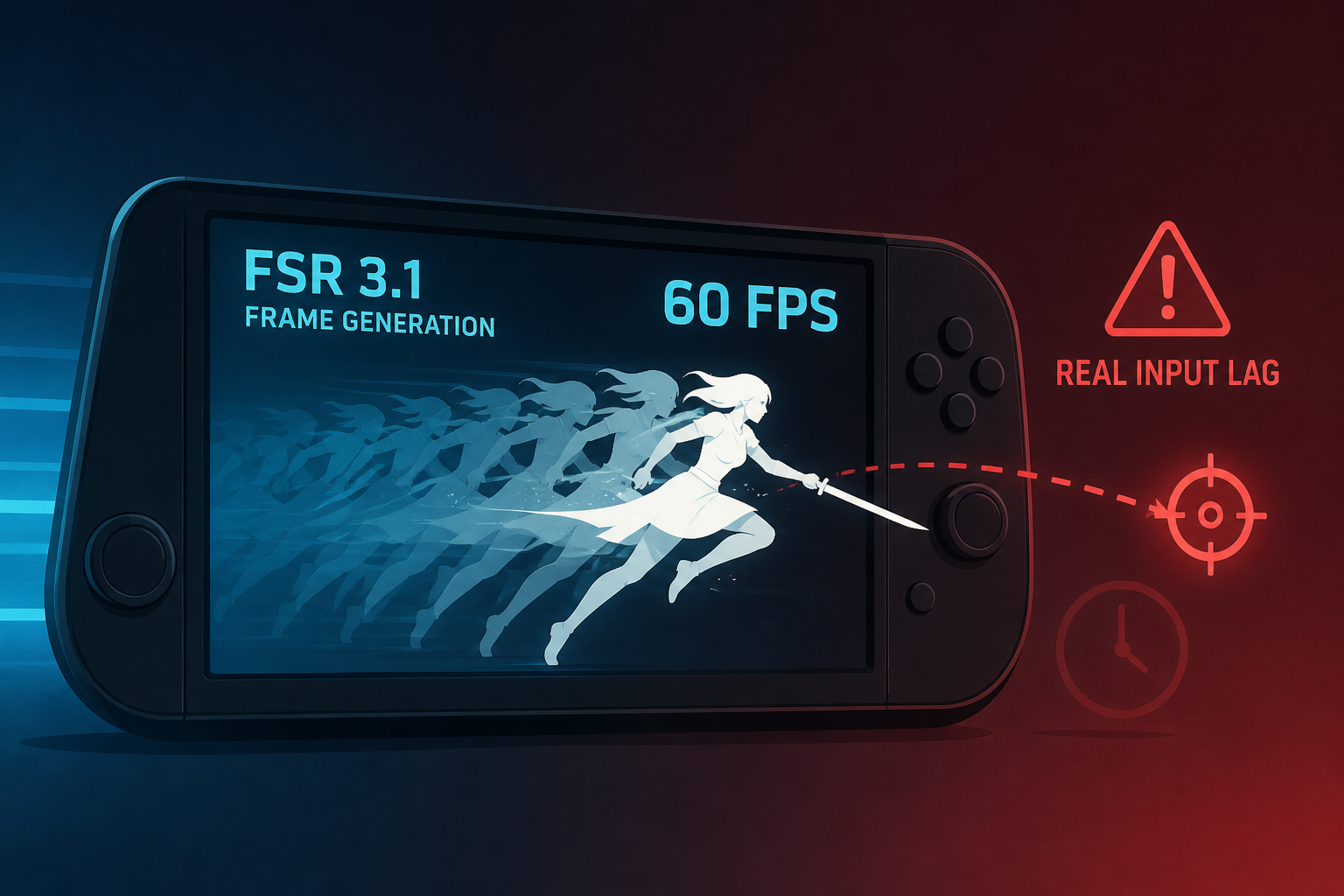
AMD FSR 3.1 Frame Generation Reaches Switch 2 With Stellar Blade, Yet Fake 60 FPS Hides Real Input Lag
wccftech.com • • technology
Key Points:
- Korean developer Shift Up is working on the Nintendo Switch 2 port of Stellar Blade, incorporating NVIDIA DLSS for upscaling and debuting AMD FSR 3.1 Frame Generation to target 60 FPS.
- Since NVIDIA DLSS Frame Generation is unavailable on Switch 2, Shift Up uses AMD FSR 3.1's frame interpolation to boost the framerate from a 30 FPS base to 60 FPS.
- However, using frame generation to double a 30 FPS base framerate can cause significant input delay, negatively impacting gameplay responsiveness, especially in action games requiring precise timing like Stellar Blade.
- This approach risks delivering an unpleasant experience similar to the launch of Black Myth: Wukong on consoles, which also used frame generation with mixed results.
- It is hoped that enabling AMD FSR 3.1 Frame Generation will be optional for players, as maintaining a native 30 FPS may provide a better overall experience than relying on frame generation to simulate 60 FPS.


