AI Generated Image
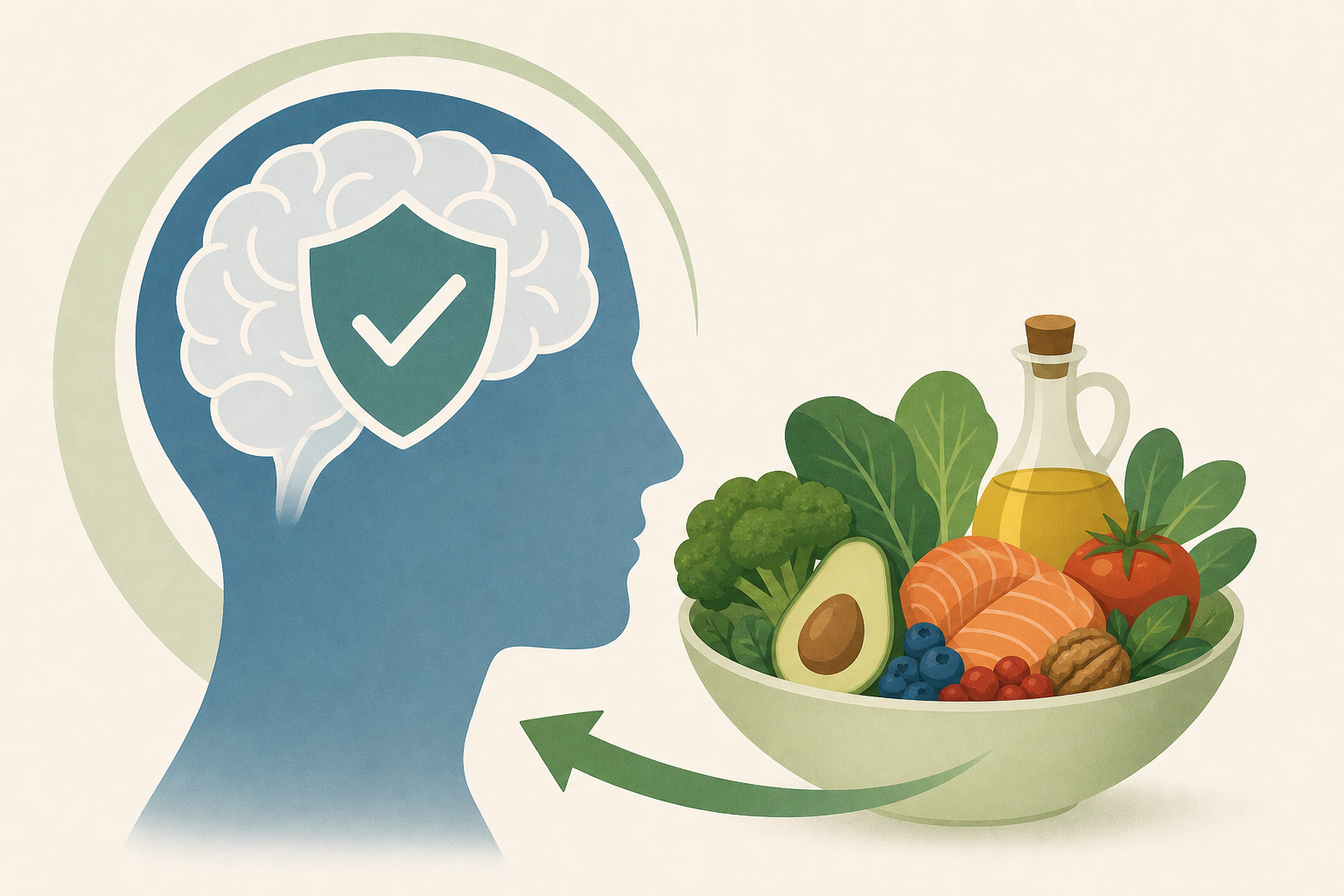
An anti-inflammatory diet may reduce dementia risk
CNN • • health
Key Points:
- A study published in JAMA Network Open followed over 1,800 adults aged 60+ in Sweden for up to 15 years and found that adherence to an anti-inflammatory diet was associated with a significantly lower risk of developing dementia, even among those with higher biological risk markers.
- An anti-inflammatory diet emphasizes whole, minimally processed foods such as vegetables, fruits, nuts, legumes, and whole grains while limiting sugar-sweetened beverages, ultraprocessed foods, and red meats, with considerable overlap to the Mediterranean diet.
- Chronic low-grade inflammation may contribute to cognitive decline by damaging blood vessels, injuring nerve cells, and activating immune cells in the brain, though dementia risk is influenced by multiple factors including genetics and lifestyle habits.
- While the study is observational and cannot prove causation, adopting a healthy diet alongside other lifestyle habits—such as regular physical activity, managing cardiovascular risk factors, avoiding smoking, limiting alcohol, getting adequate sleep, and staying socially and mentally engaged—can support brain health.
- Anti-inflammatory dietary patterns are also linked to reduced risks of heart disease, stroke, diabetes, and some cancers, making them beneficial for overall health beyond potential effects on dementia prevention.


