AI Image
'An icon of Soviet space exploration': The Russian stray dog that beat humans into orbit
BBC • • world
Key Points:
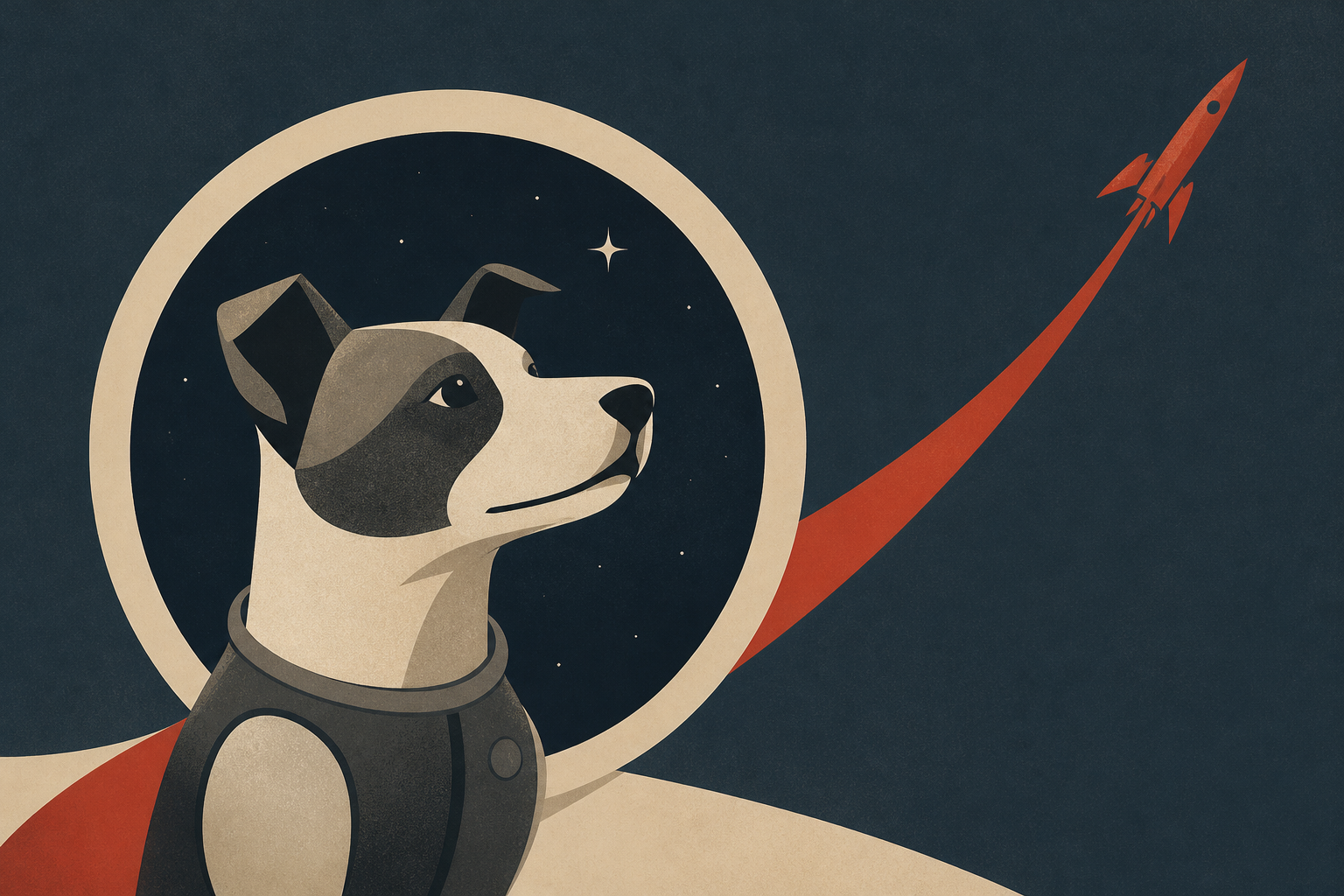
- Laika, a female stray dog, became the first living creature to orbit Earth on 3 November 1957, launched by Soviet scientists from the Baikonur Cosmodrome as part of the space race.
- The Soviets knew Laika's mission was one-way since they lacked technology to return living beings safely from orbit; she died from overheating and stress within hours of launch.
- Soviet choice of stray dogs, particularly females weighing 6-7kg, was due to their stamina, compliance, and well-understood physiology, differing from American use of monkeys and fruit flies.
- Laika's flight demonstrated that living creatures could survive weightlessness and paved the way for human space travel, though it sparked international outrage and ethical debates about animal welfare.
- Despite the mission's scientific significance, some Soviet scientists, including Oleg Gazenko, later expressed regret over Laika's death, questioning the mission's justification.


