AI Image
An Unmapped Region of Antarctica Could Be Harboring a Major Threat
Gizmodo • • science
Key Points:
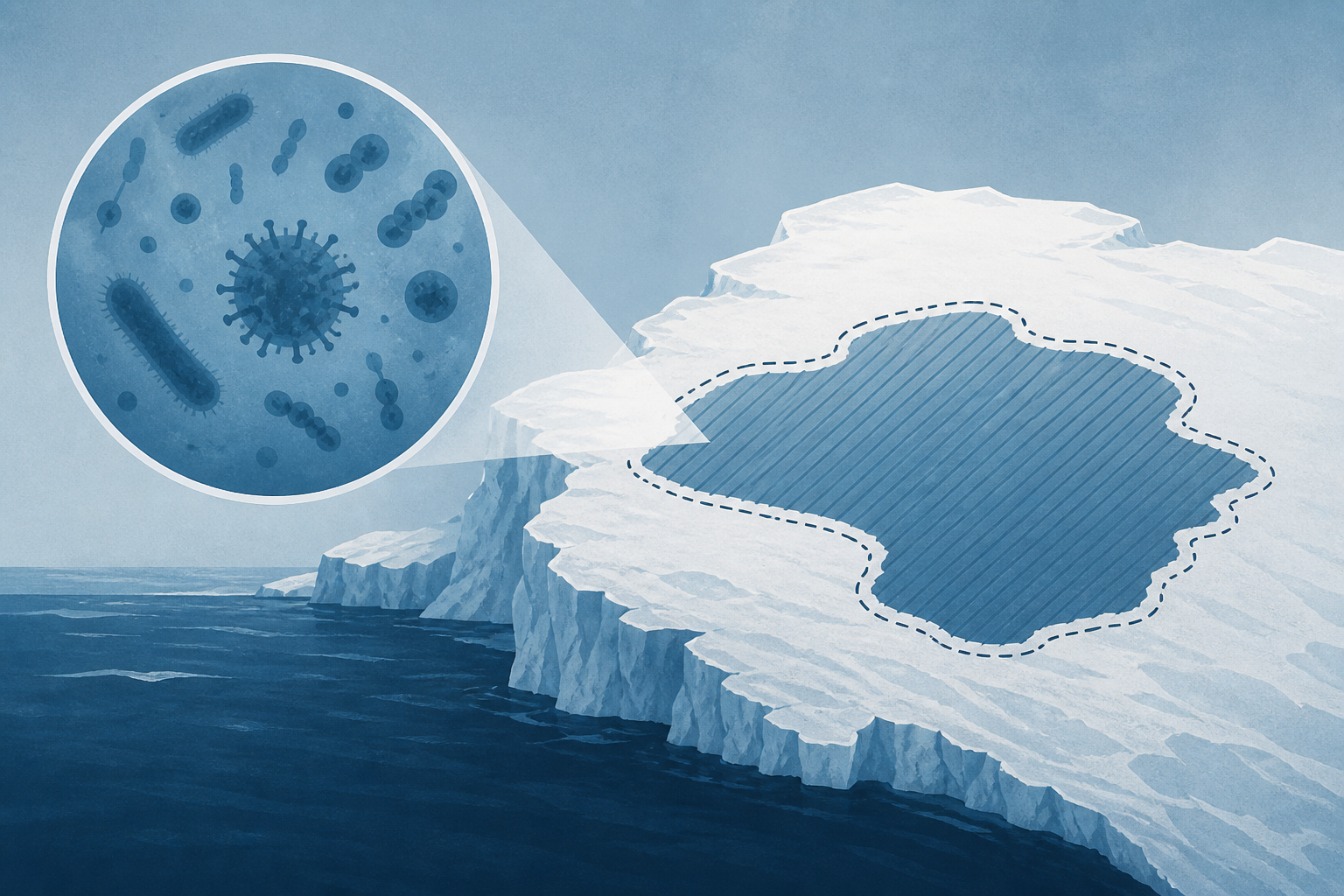
- A new study warns that the Wilkes Subglacial Basin in East Antarctica, previously considered stable, could become a major contributor to future sea-level rise as climate warming accelerates ice loss.
- The basin, hidden beneath thick ice and stretching about 870 miles, contains enough ice to raise global sea levels by 10 to 13 feet (3 to 4 meters) if it melts.
- Researchers used radar, satellite data, and computer models to show that warmer seawater could cause rapid ice retreat in the basin, potentially up to 1 kilometer per year beyond key bedrock points.
- Despite East Antarctica's reputation for stability, the marine-based Wilkes Basin is vulnerable due to bedrock below sea level, with signs of thinning ice shelves and increased glacier melt observed since the 1990s.
- Scientists emphasize the urgent need for more in-depth exploration and monitoring of the basin to better understand its potential impact on global sea levels amid ongoing climate change.


