AI Generated Image
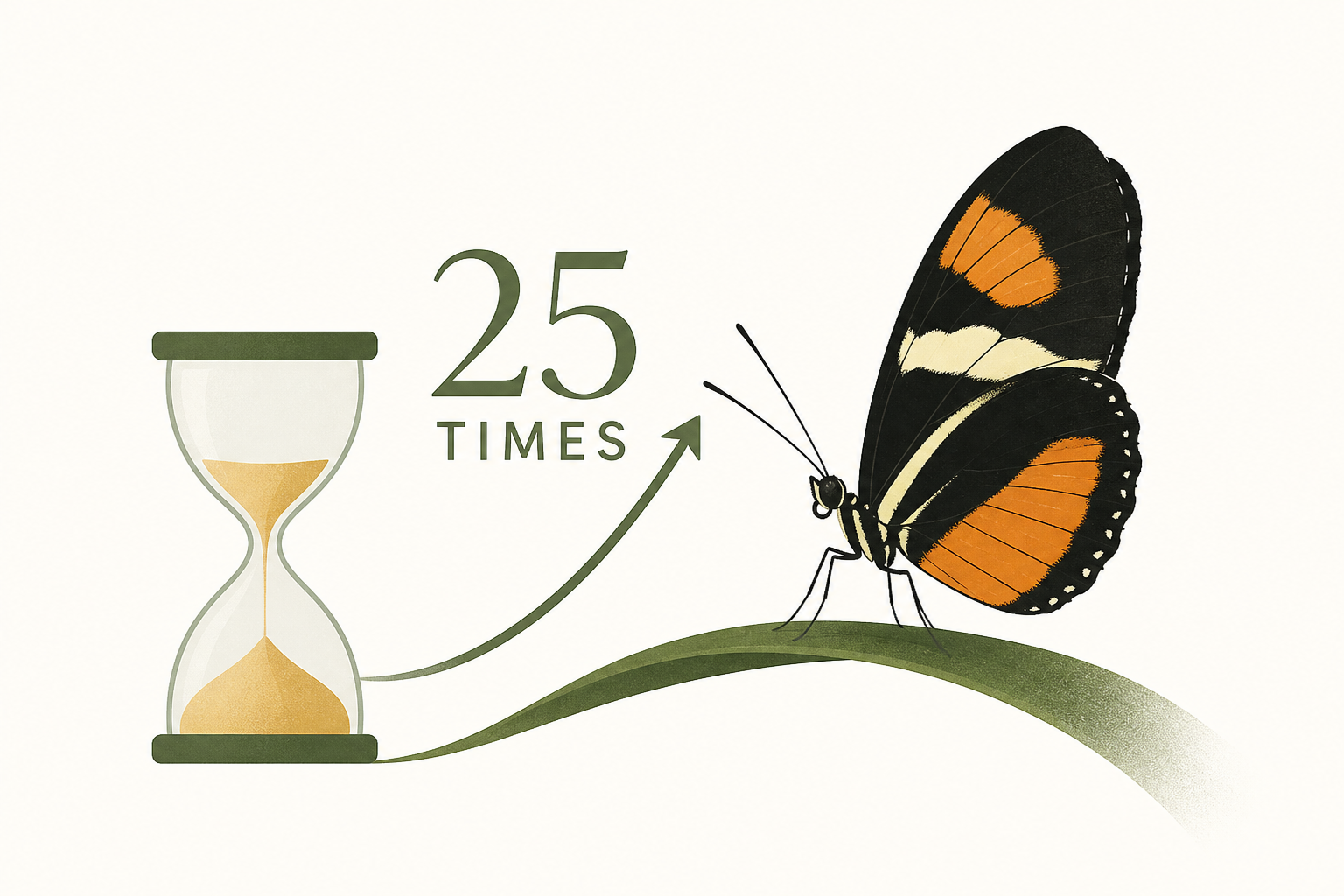
An unusual strategy helps some tropical butterflies live 25 times longer than their relatives
KSL News • • general
Key Points:
- Researchers studied Heliconius butterflies from tropical rainforests, which exhibit lifespans ranging from 14 days to nearly a year, significantly longer than typical butterflies, to understand the mechanisms behind their longevity.
- Unlike most butterflies that feed exclusively on nectar, many Heliconius species consume pollen as adults, providing additional nutrients like amino acids and lipids that may contribute to extended lifespans and reproductive capacity.
- Experiments showed that even when pollen was removed from their diet, Heliconius butterflies still lived longer than non-pollen-feeding relatives, suggesting they have evolved intrinsic anti-aging mechanisms beyond nutrition.
- Using a grip-strength test device called "The Pullinator," researchers found that long-lived Heliconius species maintain muscle function and show delayed physiological decline compared to shorter-lived species.
- The study positions Heliconius butterflies as promising models for aging research, offering insights into evolved longevity mechanisms that could inform understanding of healthy aging in humans.


