AI Image
Ancient Skull Fractures Hint at Human Sacrifice in Egypt
Newser • • world
Key Points:
- New analysis of 5,000-year-old skulls from a royal cemetery in ancient Egypt suggests human sacrifice was practiced among early elites, with retainers likely killed to accompany rulers in death.
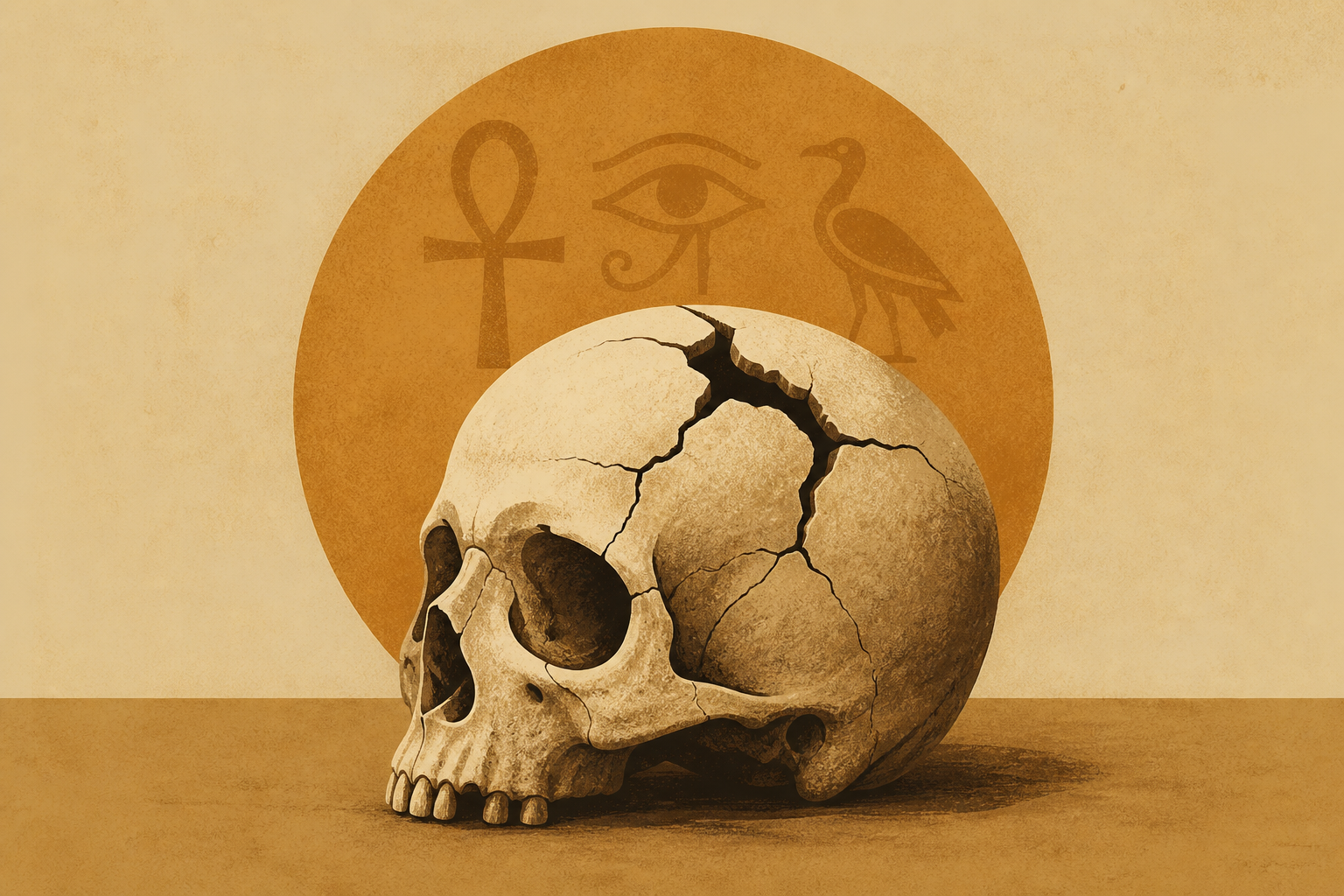
- Researcher Roselyn Campbell re-examined 46 skulls from First Dynasty tombs at Umm el-Qa'ab and identified signs of fatal trauma on 18 skulls, including fractures and a chop wound to the eye.
- Earlier excavations by Egyptologist Flinders Petrie in the 1920s did not report trauma, but Campbell argues he misinterpreted injuries as post-mortem damage.
- The wounds appear to have been inflicted by flat wooden or antler tools rather than weapons depicted in royal iconography, providing rare physical evidence of "retainer sacrifice" practices that disappeared by Egypt's Second Dynasty.
- Campbell suggests retainers may have been fearful or believed their sacrifice ensured eternal life serving the god-king.


