Archaeologists may have found the grave of the legendary "fourth musketeer"
Ars Technica • • world
Key Points:
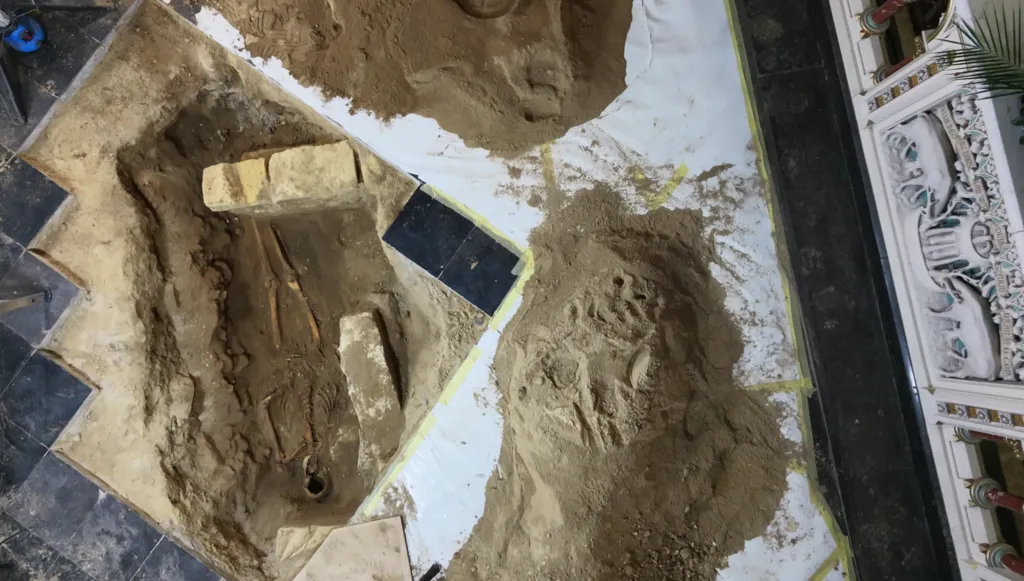
- Repairs to the 17th-century Saints Peter and Paul Church floor in the Netherlands uncovered a skeleton possibly belonging to Charles de Batz de Castlemore, Count d’Artagnan, the real-life French Musketeer whose burial site has been unknown for over 350 years.
- The skeleton was found with a lead musket ball fragment and a 1660 coin, suggesting a violent death consistent with d’Artagnan’s historical death during the 1673 siege of Maastricht, and the burial location beneath the altar indicates the person was likely of high status.
- DNA samples from the jawbone are being sent to Germany for sequencing to compare with d’Artagnan’s living relatives, while forensic anthropologists will analyze the skeleton to determine age and gender.
- Historical records and maps support the likelihood that d’Artagnan and other officers who died in the siege were buried at the nearby church in Wolder, but the original parish register documenting burials has been lost, making definitive identification challenging.
- Archaeologist Wim Dijkman, who has researched d’Artagnan’s grave for nearly three decades, views this discovery as potentially career-defining, while historians remain cautiously optimistic about confirming the identity of the remains.


