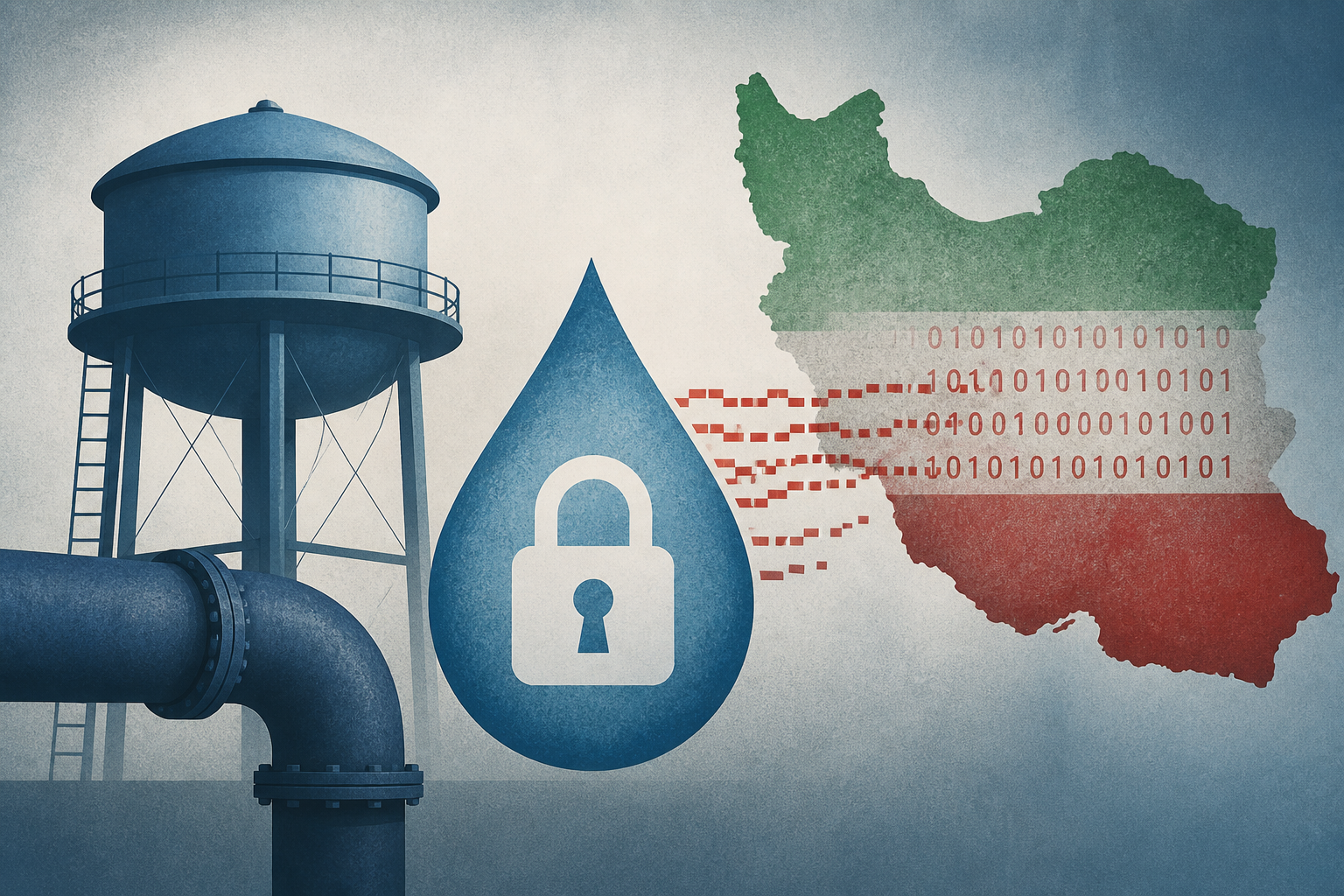
AI Generated Image
Are hacks of U.S. water facilities a new front in the Iran war?
NPR • • nation
Key Points:
- A coordinated cyberattack targeted water and wastewater treatment plants across multiple U.S. states, including Braham, Minnesota, disrupting operations but not compromising water safety; officials suspect Iranian involvement.
- The attacks exploited vulnerabilities in aging industrial technology connected to the internet, highlighting widespread security gaps in critical infrastructure systems nationwide.
- Federal and local authorities, along with cybersecurity experts, are working to improve information sharing, incident response, and resilience for over 150,000 U.S. water systems, emphasizing the need for increased funding and modernization.
- Experts warn future cyberattacks may be more sophisticated and damaging, potentially affecting other sectors like energy and transportation, underscoring the urgency of federal leadership and investment in infrastructure cybersecurity.
- Initiatives like Project Franklin and the Water Watch Center aim to support small water utilities with cybersecurity resources and AI-driven defenses, but sustained federal funding and coordinated national efforts remain critical to long-term protection.


