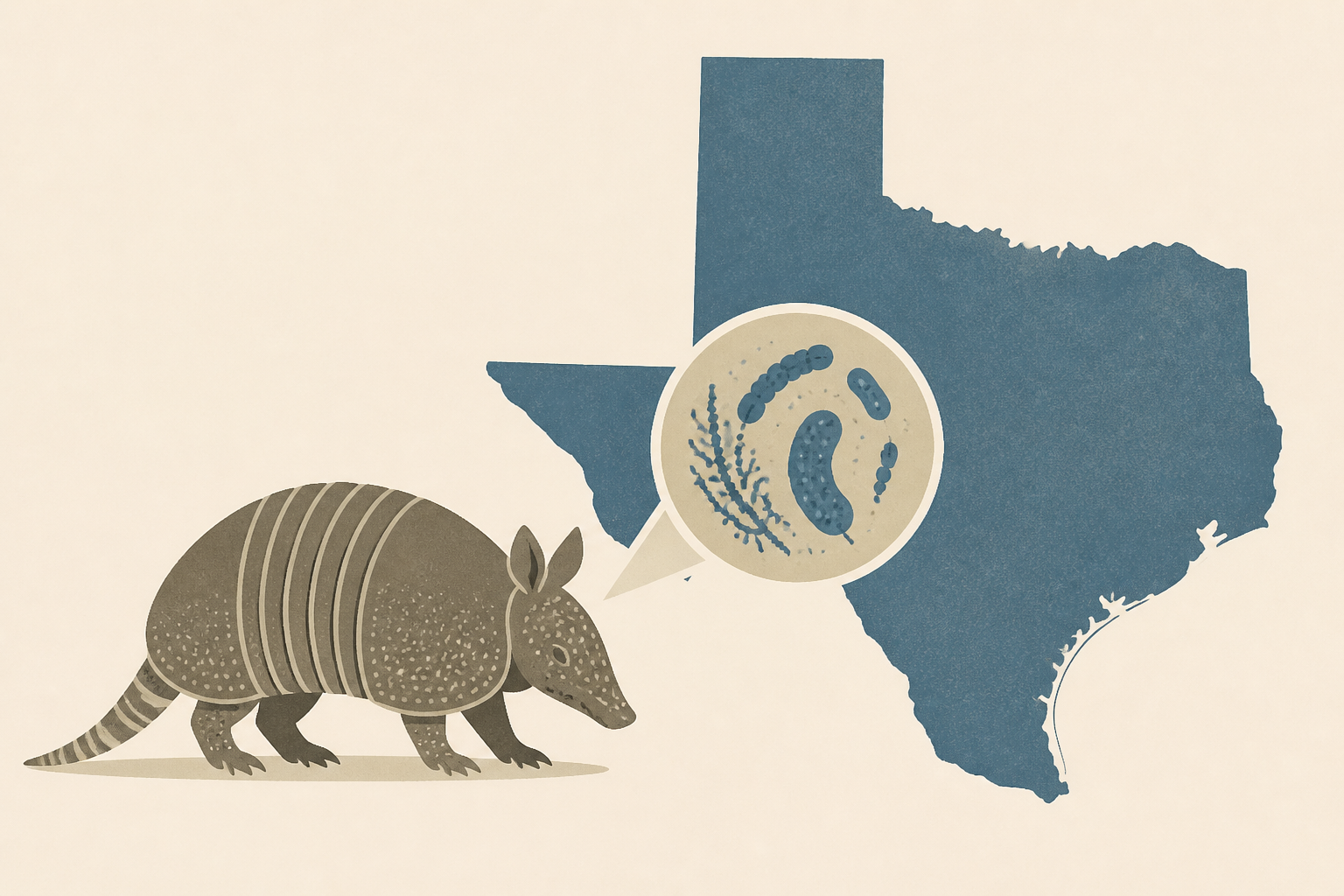
AI Generated Image
Armadillos behind rise of this 4,000-year-old disease in this state
USA Today • • health
Key Points:
- Leprosy, or Hansen's disease, is experiencing a resurgence in Florida, with 17 infections reported in 2025 as of mid-July and 36 of the 174 nationwide cases occurring in the state, many contracted locally rather than abroad.
- Central Florida, particularly Brevard County, is a hotspot for leprosy, accounting for 81% of Florida’s cases and nearly 20% of national cases, suggesting the disease may now be endemic in parts of the U.S.
- The disease, caused by the bacteria M. leprae, is treatable with antibiotics and is not highly contagious, requiring prolonged close contact with untreated individuals to spread; most people have natural immunity.
- Nine-banded armadillos are known carriers of M. leprae and are suspected to be a significant source of local transmission in the southern U.S., with climate change possibly expanding their habitat and increasing human exposure.
- Symptoms of leprosy develop slowly and can include skin discoloration, nerve damage, and deformities; however, modern medicine has debunked historic stigmas, and the risk to the general public remains low.


