AI Image
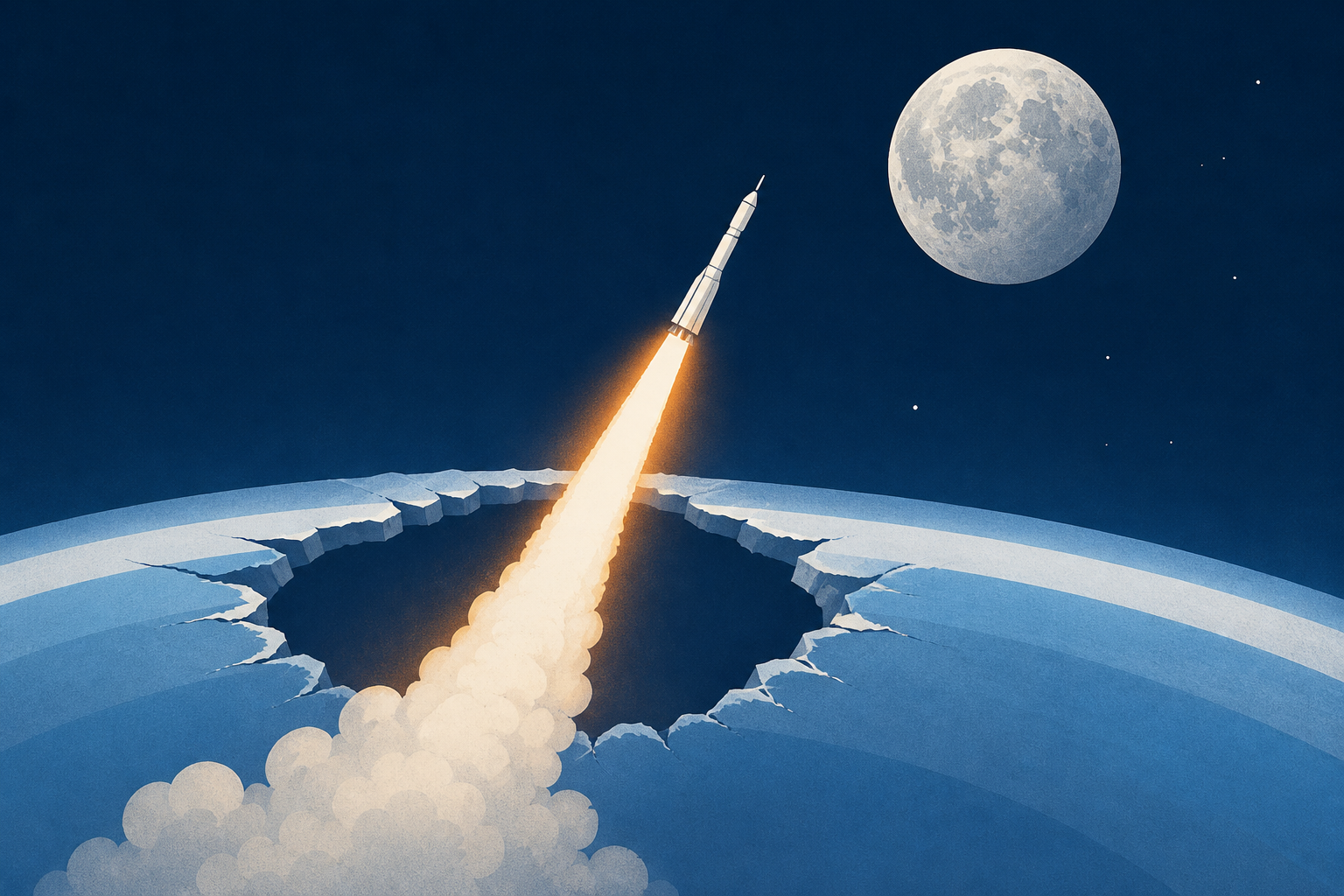
Artemis II moon launch was so powerful it punched a hole in atmosphere
USA Today • • science
Key Points:
- NASA's Artemis II mission, launched in April using the powerful Space Launch System (SLS) rocket, sent four astronauts on a historic 10-day trip around the moon, marking the first human lunar flyby in over 50 years.
- The SLS rocket, delivering 8.8 million pounds of thrust, is NASA's most powerful launch vehicle to date, surpassing the Saturn V used in Apollo missions by about 15%.
- New research from Taiwan indicates the Artemis II launch created massive disturbances in Earth's ionosphere, forming giant "holes" that stretched across the American continent and potentially disrupted GPS signals.
- The upcoming Artemis III mission, planned for late 2027, will test commercial lunar landers from Blue Origin and SpaceX in Earth orbit, with a new crew docking with both landers during a two-week mission to advance NASA's goal of a crewed lunar landing.
- Artemis II's crew included historic milestones with the first Canadian on a moon mission and the first Black man and first woman flying near the moon, setting the stage for future lunar exploration and potential landings by 2028.


