AI Image
As Europe warms, Italy sees West Nile virus spread
NPR • • health
Key Points:
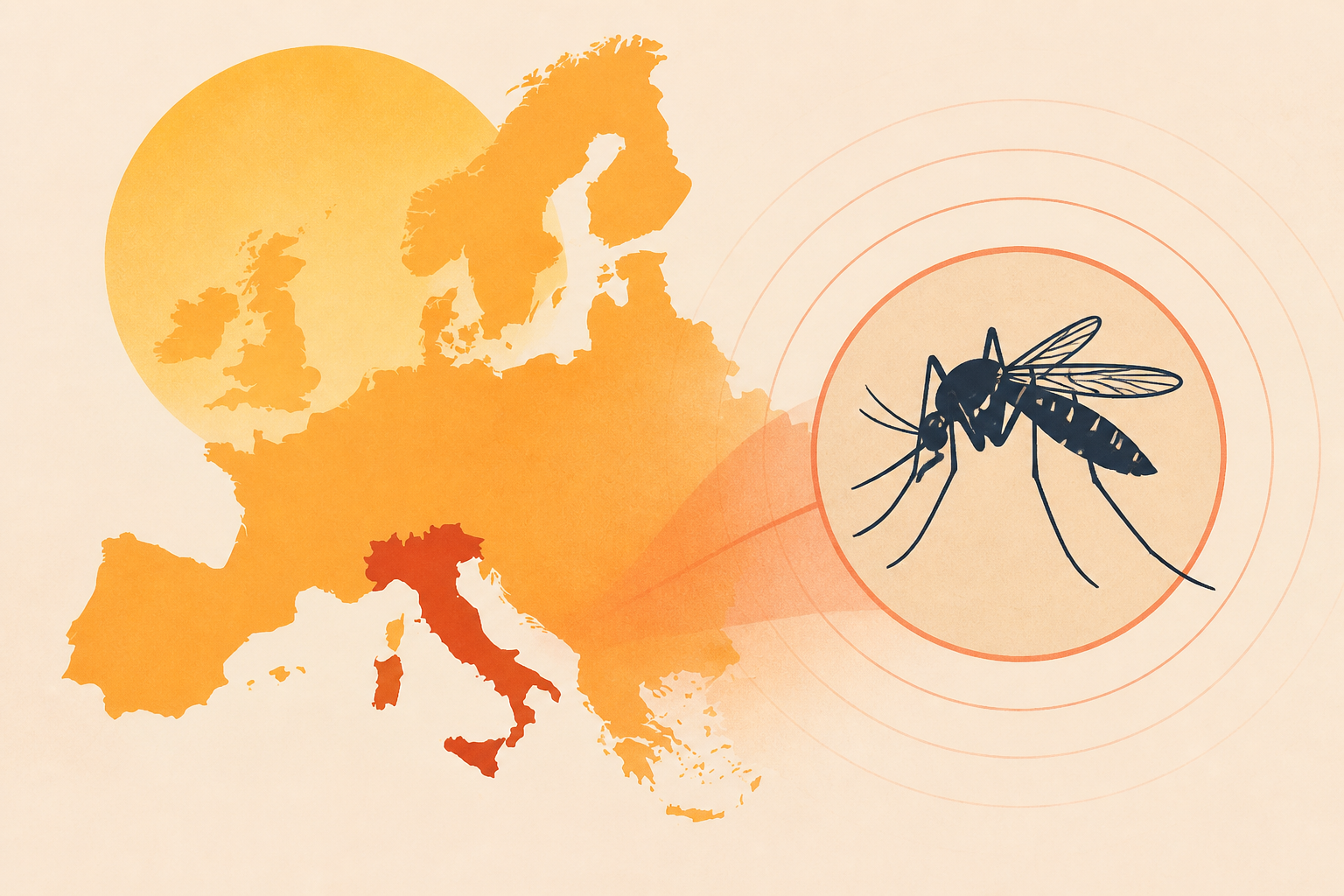
- Italian health authorities report that rising temperatures and longer warm seasons are enabling mosquitoes to spread West Nile virus over a wider area and for more months each year, with over 650 infections recorded in Italy this year, about half of Europe's total cases.
- West Nile virus has been endemic in Italy since 2020, with most infected individuals experiencing mild or no symptoms, though severe neurological complications can occur in vulnerable populations; warmer weather extends the mosquito transmission season sometimes into November.
- Italy's comprehensive monitoring system for mosquitoes, birds, blood donors, and human infections contributes to its high detection rates and provides a model for northern European countries, where cases are increasing due to similar climatic shifts.
- Experts, including those from the WHO and ECDC, warn that climate change, biodiversity loss, and land use changes are lengthening the mosquito season and enhancing virus survival, raising the risk of West Nile and other mosquito-borne diseases across Europe.
- Invasive mosquito species like Aedes aegypti, capable of transmitting multiple viruses including West Nile, have established themselves in parts of Europe such as Cyprus, with potential to spread further due to warming trends and favorable environmental conditions.


