AI Generated Image
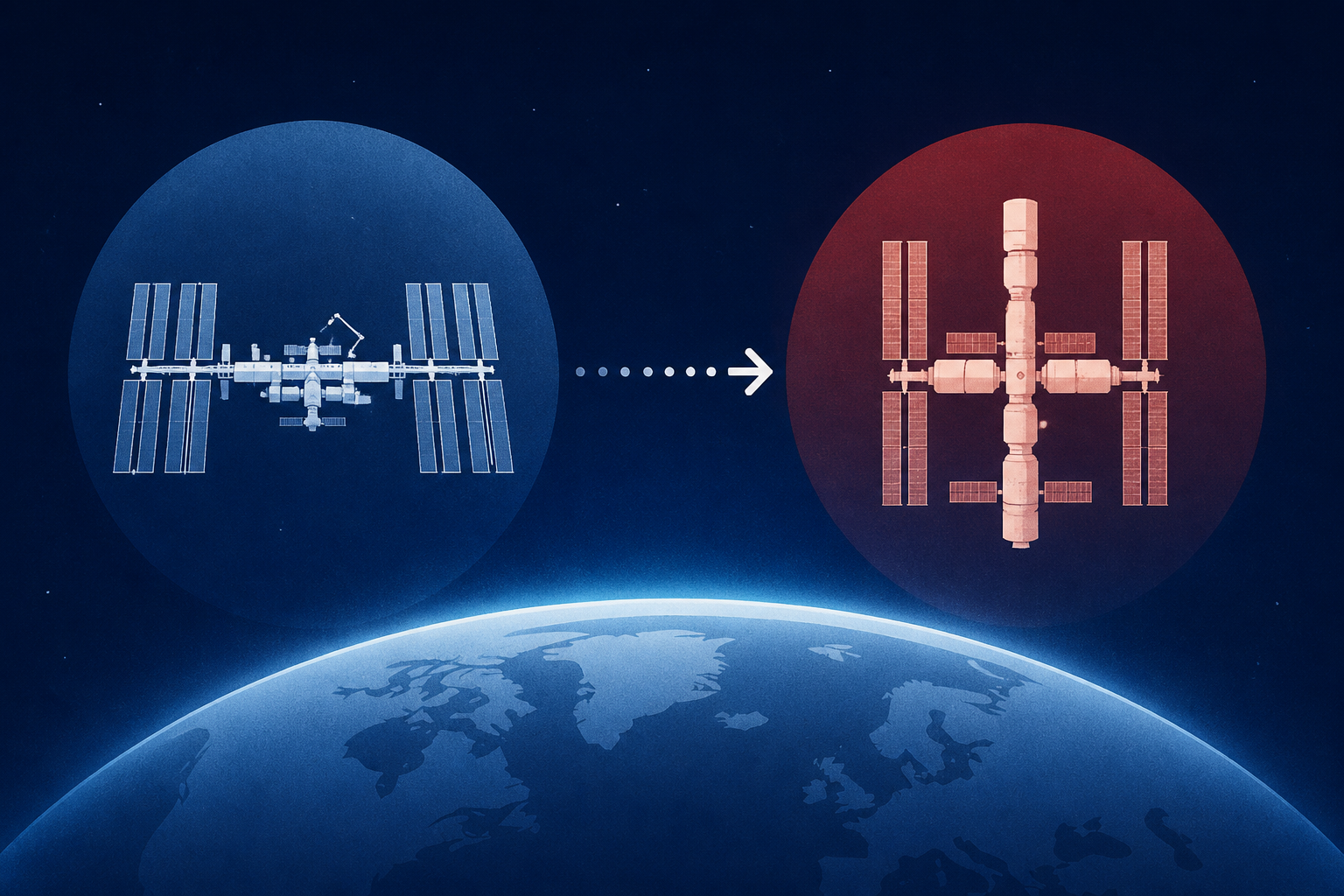
As of September 2026, humanity has two continuously crewed space stations: China’s Tiangong, occupied without interruption since 2022, and the International Space Station. If the ISS retires around 20
Space Daily • • science
Key Points:
- The International Space Station (ISS) has hosted continuous human presence since November 2000, while China’s Tiangong space station began uninterrupted occupancy in June 2022; proposed commercial successors to the ISS have yet to achieve similar continuous habitation as of September 2026.
- There is a risk of a gap in continuous human presence in orbit if the ISS ends crewed operations before a commercial successor station is fully operational, potentially leaving Tiangong as the sole inhabited orbital outpost temporarily.
- NASA plans to operate the ISS through 2030, with possible legislative efforts to extend this to 2032, but the exact retirement date depends on hardware lifespan, funding, and the readiness of commercial replacements.
- NASA’s commercial station strategy involves purchasing services from private operators, with development milestones including hardware completion, testing, launch, certification, and sustained crew rotations before continuous occupation can be established.
- The distinction between a station being visited and continuously inhabited is critical; short visits do not equate to uninterrupted human presence, so future continuity depends on overlapping crewed missions and operational decisions by ISS partners and commercial providers.


