AI Image
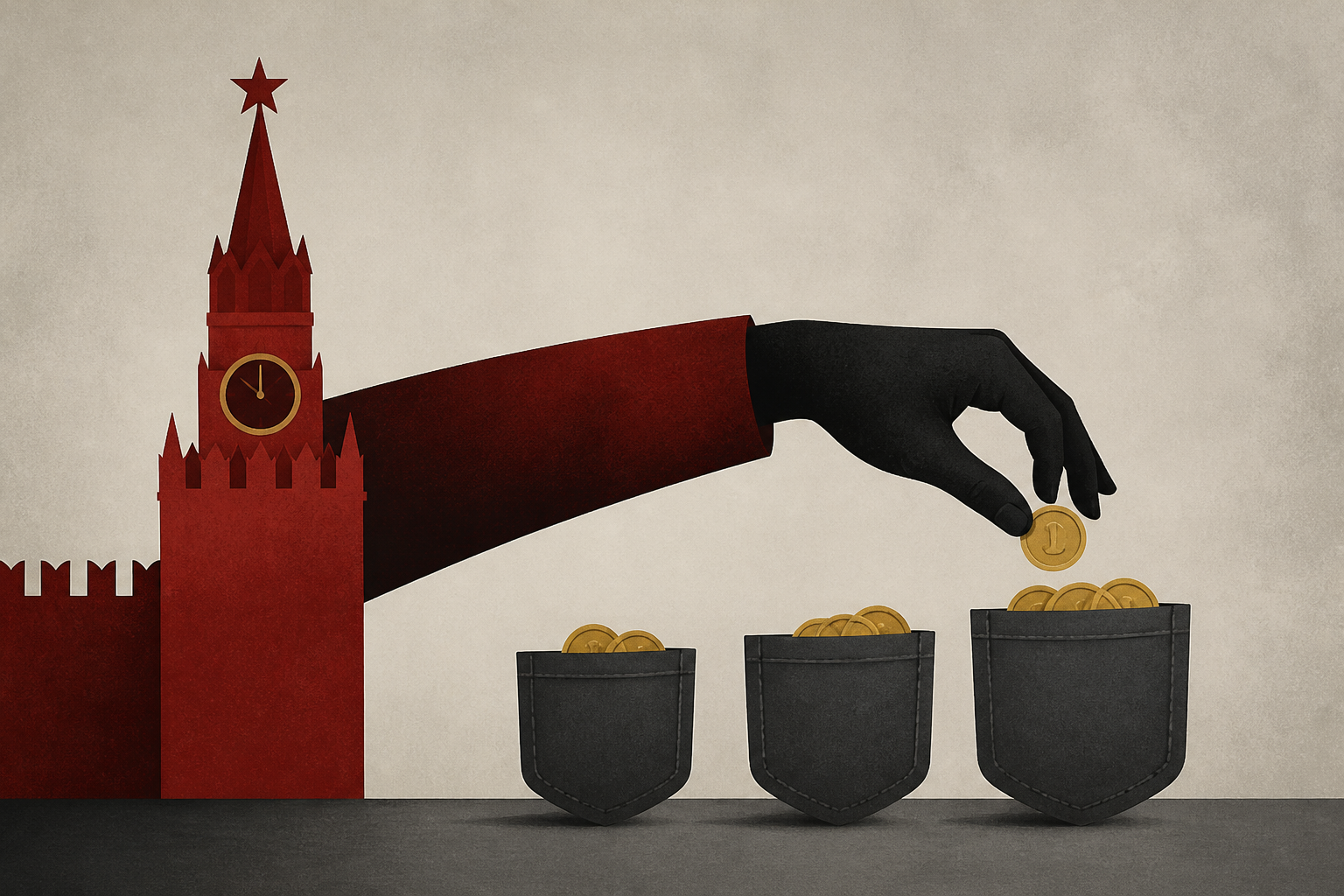
As war strains Kremlin finances, Putin reaches into more pockets in search of new revenue streams
The Independent • • world
Key Points:
- Russia's 2027-2029 state budget, to be approved soon, includes targeted tax hikes on mining companies and wealthier individuals to fund increased military spending amid economic strain from the Ukraine war and sanctions.
- The budget deficit has surged to 5.8 trillion rubles ($72 billion) through August, nearly 50% higher than last year, driven by lavish defense expenditures and weak economic growth.
- New taxes include a 20%-30% windfall profit tax on mining firms, higher rates on investment income, and charges on foreign online purchases, reflecting the Kremlin's focus on extracting revenue from narrower economic segments.
- Russia's economy is increasingly skewed toward military-related sectors, with limited funds left for civilian economic development, while public welfare faces long-term erosion despite stable overall financial indicators.
- Foreign companies like German retailer Metro have been forced to contribute financially to the war effort, highlighting the Kremlin's pressure on "unfriendly" foreign firms and the shrinking avenues for government financing amid sanctions and depleted reserves.


