AI Generated Image
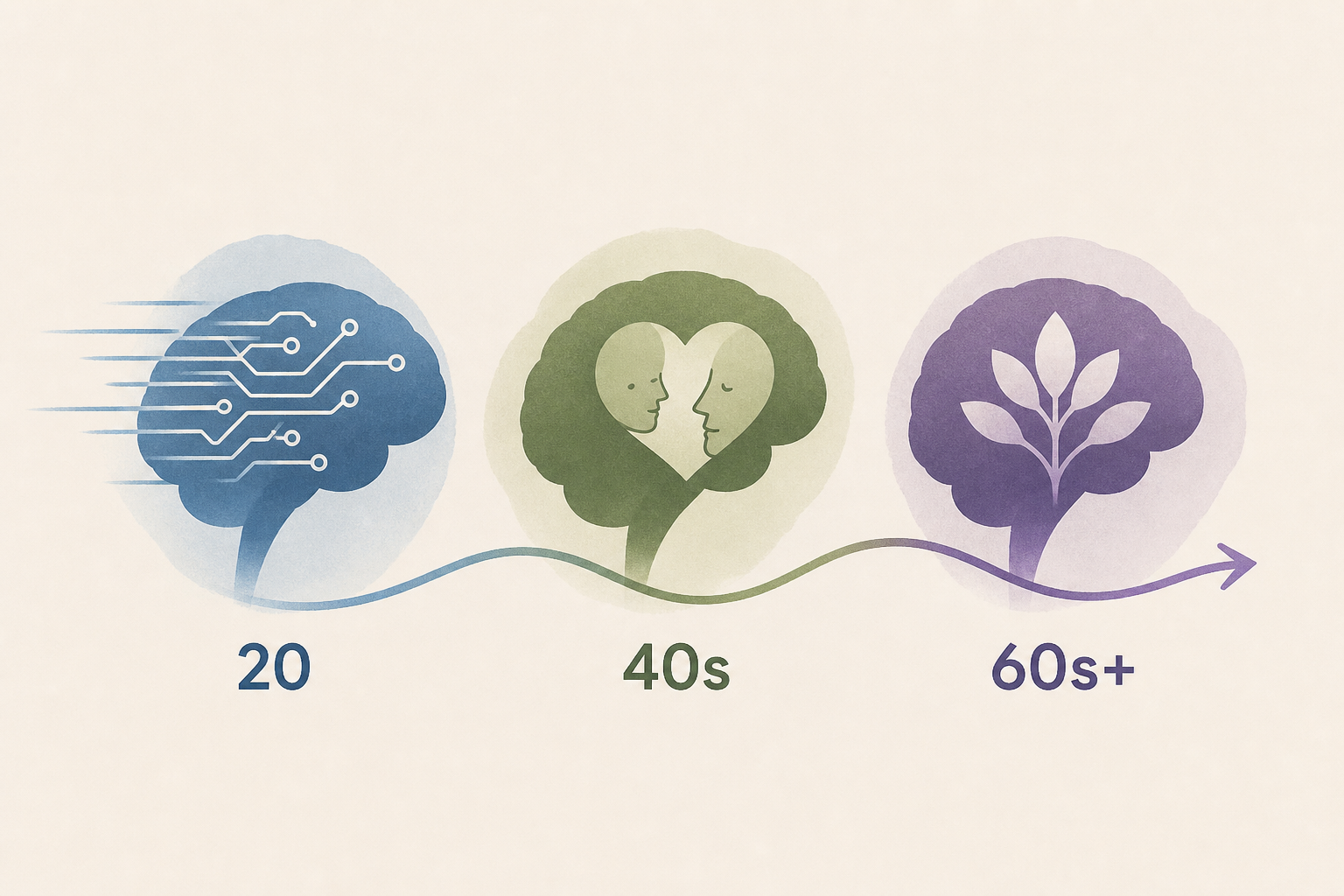
At twenty, the brain processes information faster than it ever will again. In middle age, the same brain may read other people’s emotions more accurately than it ever has. By the late sixties, its voc
Space Daily • • health
Key Points:
- Research shows that different cognitive abilities peak at different ages, challenging the common belief that youth represents the single peak of mental performance.
- Abilities reliant on processing speed tend to peak in late adolescence or early adulthood, while social and emotional perception often peak in middle age, reflecting accumulated experience.
- Vocabulary and knowledge continue to grow well into older age, often peaking in the late 60s or early 70s, highlighting the value of lifelong learning and experience.
- Cognitive functions develop asynchronously, with some declining and others improving or stabilizing over time, suggesting a more complex and dynamic view of aging than a single peak model.
- Misunderstanding these patterns can lead to undervaluing older adults' cognitive strengths and overemphasizing speed as the sole indicator of intelligence in education and workplaces.


