AI Generated Image
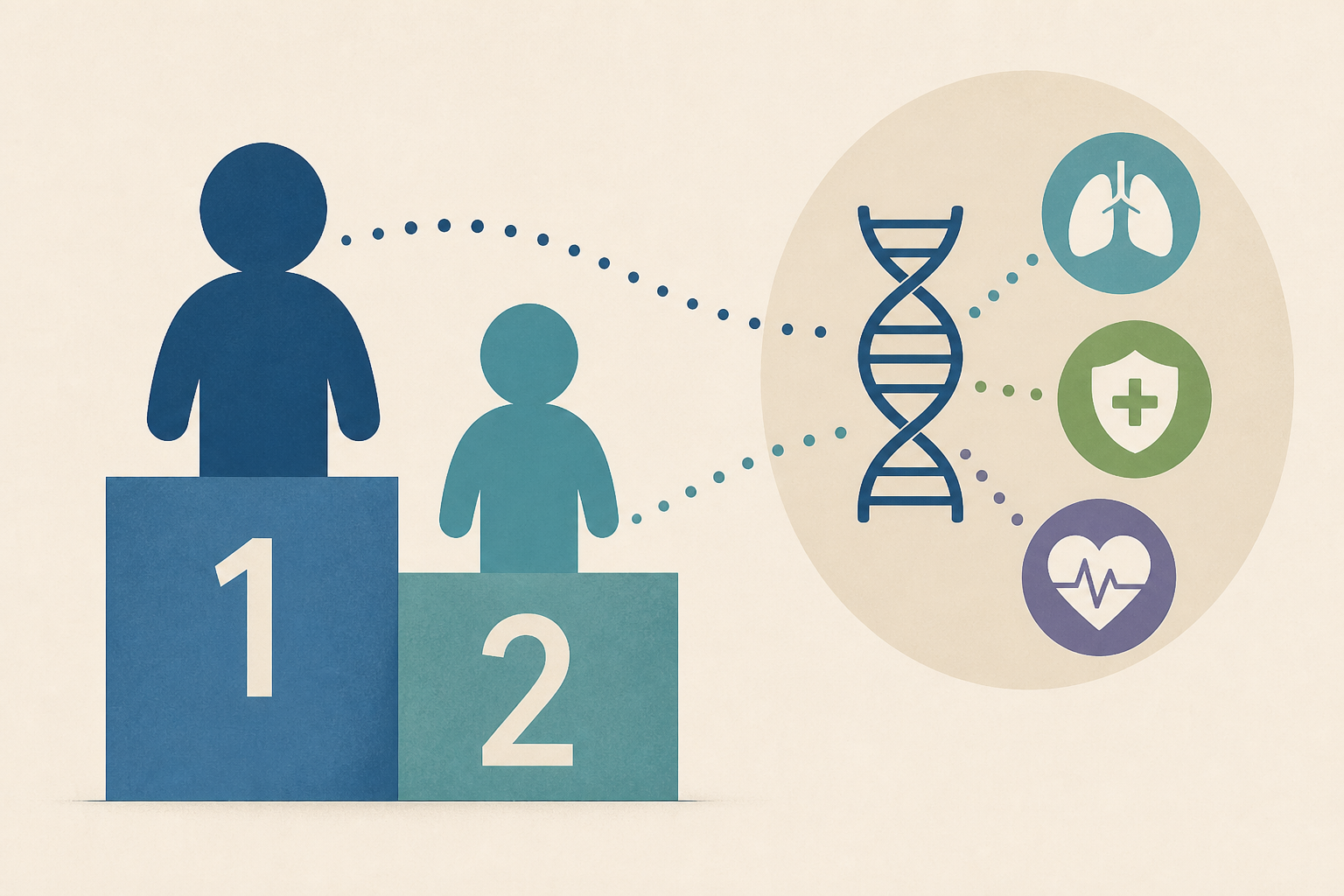
Being First or Second Born Could Determine What Diseases You Develop
Newsweek • • health
Key Points:
- A large study analyzing health records from over 10 million people in 5.1 million U.S. families found significant associations between birth order and the likelihood of developing 150 diseases, including autism, ADHD, allergies, substance abuse, and migraines.
- First-born children showed higher risks for neurodevelopmental disorders such as autism, ADHD, Tourette syndrome, OCD, and allergy-related conditions like food allergies, asthma, and allergic rhinitis compared to their younger siblings.
- Later-born children, particularly second-borns, were more likely to develop substance abuse disorders, migraines, digestive issues, kidney infections, and herpes zoster, with substance abuse being notably more common among younger siblings.
- Researchers suggest these birth order effects stem from a combination of biological, environmental, and social factors, including the "hygiene hypothesis" for allergies and behavioral influences for substance abuse, but emphasize that birth order does not cause disease.
- The study's limitations include reliance on diagnosed cases from insurance claims data, focus on two-child families with employer-sponsored insurance, and the caution that associations do not imply causation or predict individual health outcomes.


