AI Image
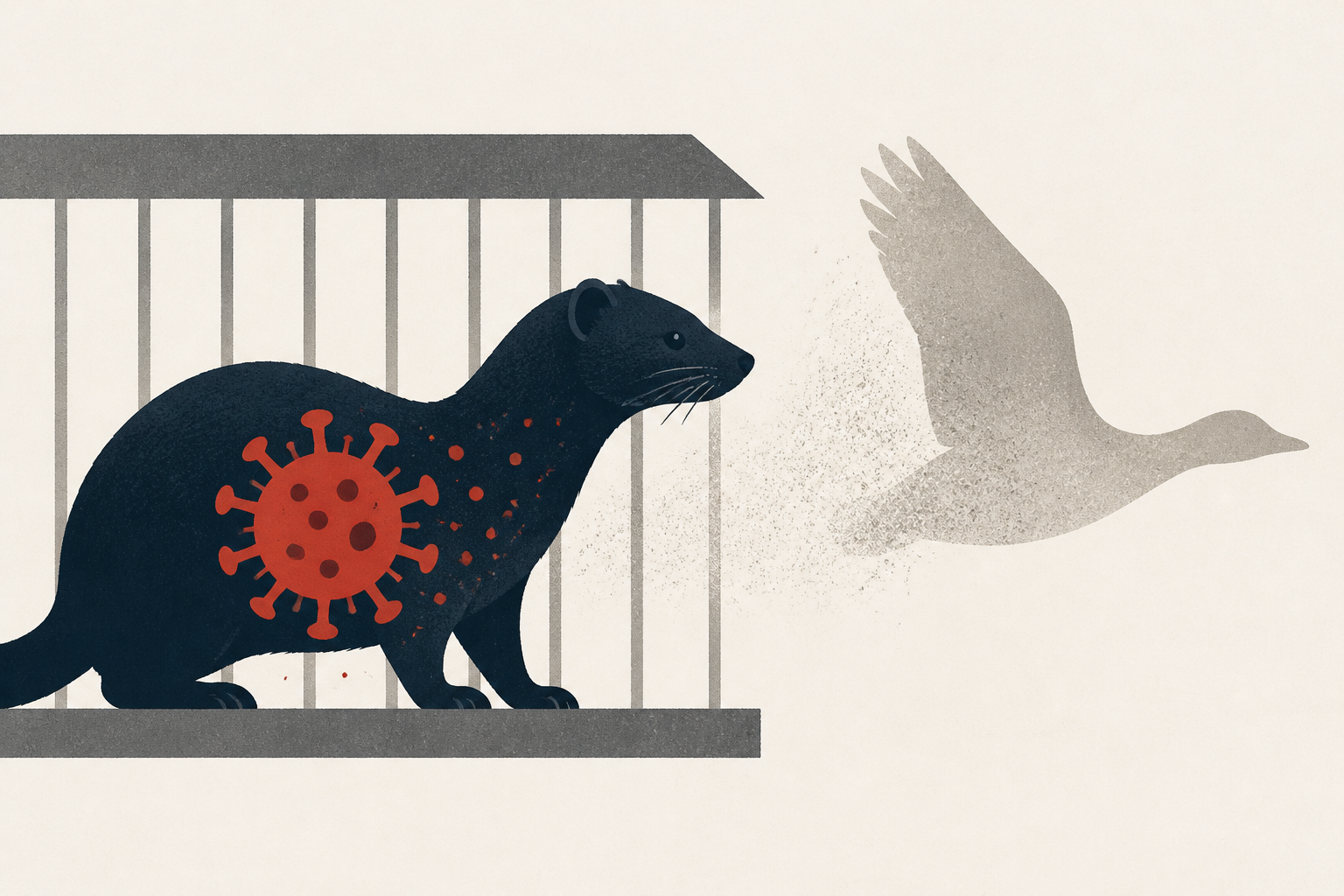
Bird flu is raging on a mink farm. It could spark a human pandemic, experts say, but officials won’t act.
CNN • • general
Key Points:
- A highly contagious strain of bird flu has infected a Utah mink farm, raising concerns about potential mutation that could enable human transmission and spark a pandemic deadlier than COVID-19. Despite the risk, state and federal officials have largely refrained from culling the mink or actively monitoring workers for symptoms.
- Mink are considered a high-risk intermediate host due to their respiratory system's similarity to humans, and the virus strain found in the mink matches one circulating in dairy cows, suggesting possible cross-species transmission through contaminated feed. Experts criticize the lack of aggressive containment measures, noting other countries have quickly depopulated affected fur farms.
- Utah officials prioritized protecting the fur farm's business interests over public health, opting for a "verbal hold" rather than formal quarantine or testing protocols, and have kept the outbreak largely confidential, limiting transparency and surveillance.
- Public health experts warn that the failure to implement a coordinated "one health" approach combining animal and human health monitoring increases the risk of the virus mutating and spilling over into humans, especially with the overlap of bird flu and seasonal human flu viruses.
- The fur industry faces declining demand and legislative challenges, but efforts to phase out mink farming are countered by proposals to expand subsidies, creating tension between economic interests and pandemic prevention imperatives.


