AI Generated Image
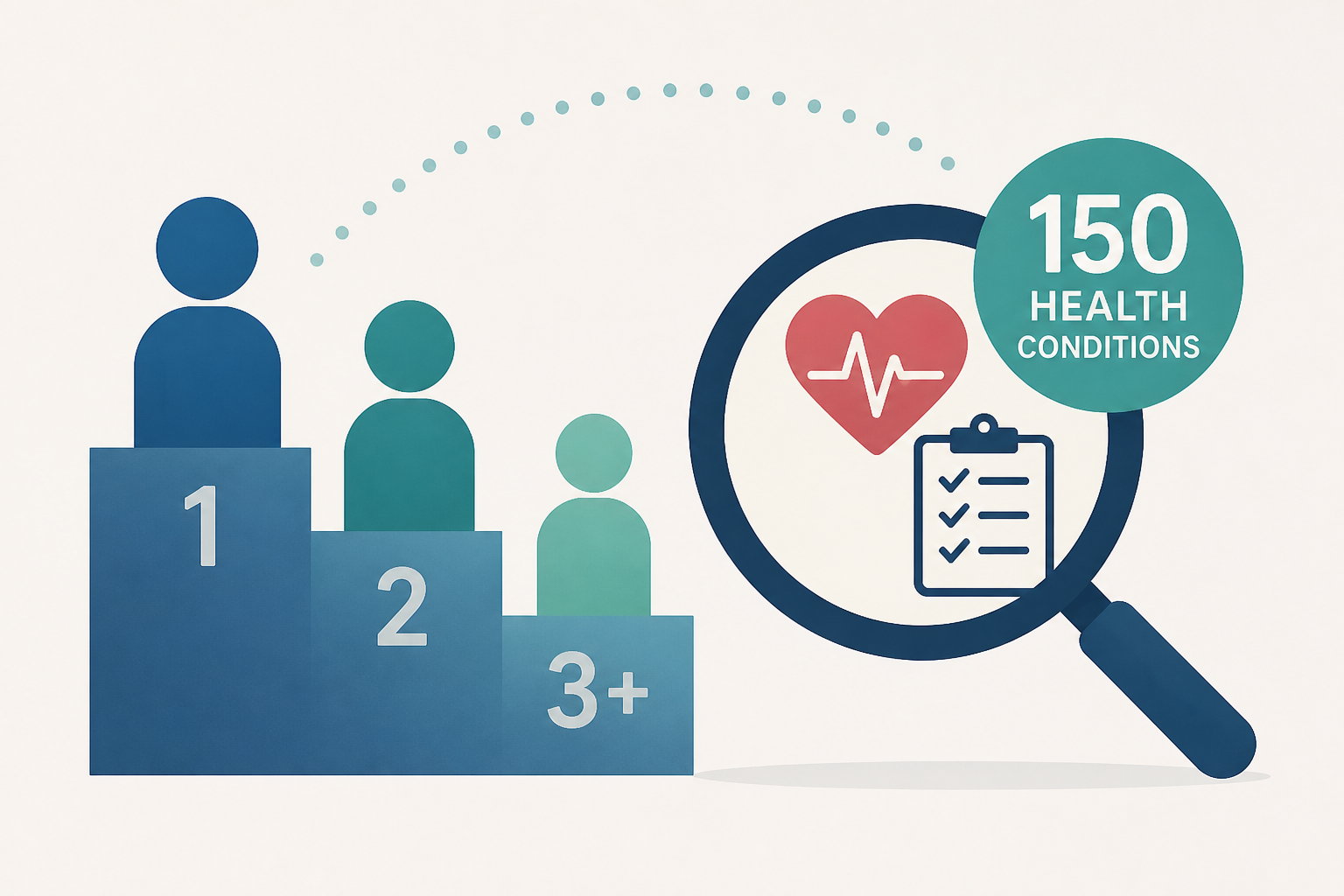
Birth order linked to 150 health conditions in study of 10 million American siblings
currently.att.yahoo.com • • health
Key Points:
- A large study analyzing medical data from 10 million U.S. siblings over 20 years found significant associations between birth order and 150 health conditions, suggesting birth order may influence long-term health risks.
- First-born children showed higher rates of neurodevelopmental and psychiatric disorders such as autism, ADHD, Tourette's, OCD, and immune-allergic conditions like food allergies.
- Second-born children were more prone to migraines, shingles, substance use disorders, and gastrointestinal issues including gastritis.
- Experts highlight that these findings indicate correlations rather than causation, with factors like parental behavior, early environmental exposure, and biological changes in the womb potentially influencing outcomes.
- The study's limitations include reliance on insurance claims data and confounding variables such as parental age and sibling age gaps; researchers caution that birth order is a modest risk marker, not a definitive predictor of health.


