AI Generated Image
Blind People Offered Hope of Seeing Again After Stem Cell Breakthrough Remakes Retinal Blood Vessels
Good News Network • • health
Key Points:
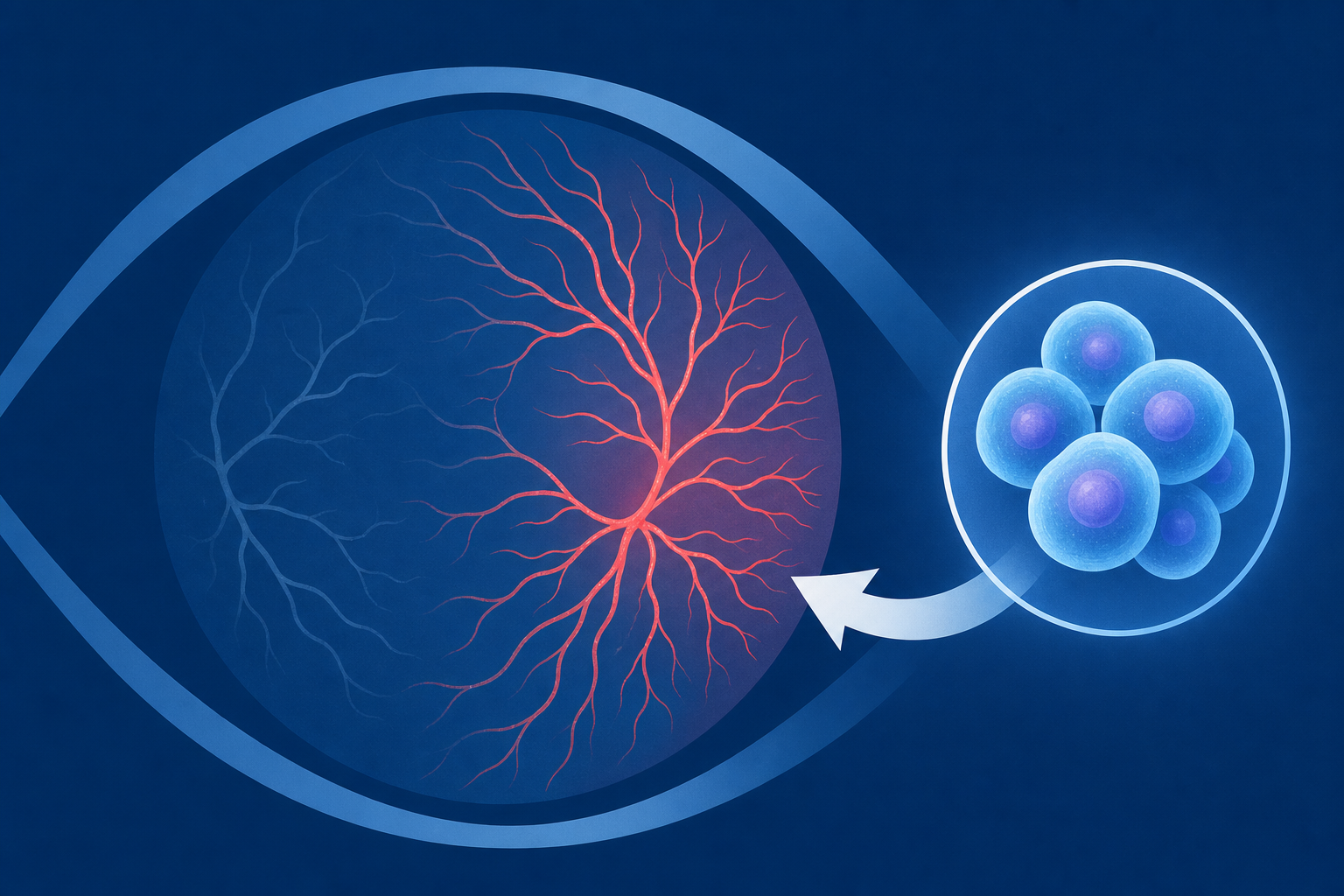
- Researchers at Duke University successfully used induced pluripotent stem cells (iPSCs) to grow retinal endothelial cells that restored retinal function in mice with retinal disease, including models of diabetic retinopathy, a leading cause of vision loss.
- The lab-grown retinal blood vessel cells integrated into damaged retinal tissue, regenerating blood vessels and restoring the blood-retina barrier, which is crucial for retinal health and difficult to treat due to its selective permeability.
- This breakthrough provides a potentially cheaper and more accessible source of retinal endothelial cells compared to current methods that rely on patient-derived cells, which are limited and costly.
- The research, published in Nature Biomedical Engineering, highlights the potential for these lab-grown cells to be used in preventative therapies and as models to better understand retinal diseases and develop new treatments.
- The Duke team plans to further explore therapeutic applications and drug discovery using these cells, with a patent pending for their stem cell-based therapies and in vitro disease modeling technology.


