AI Generated Image
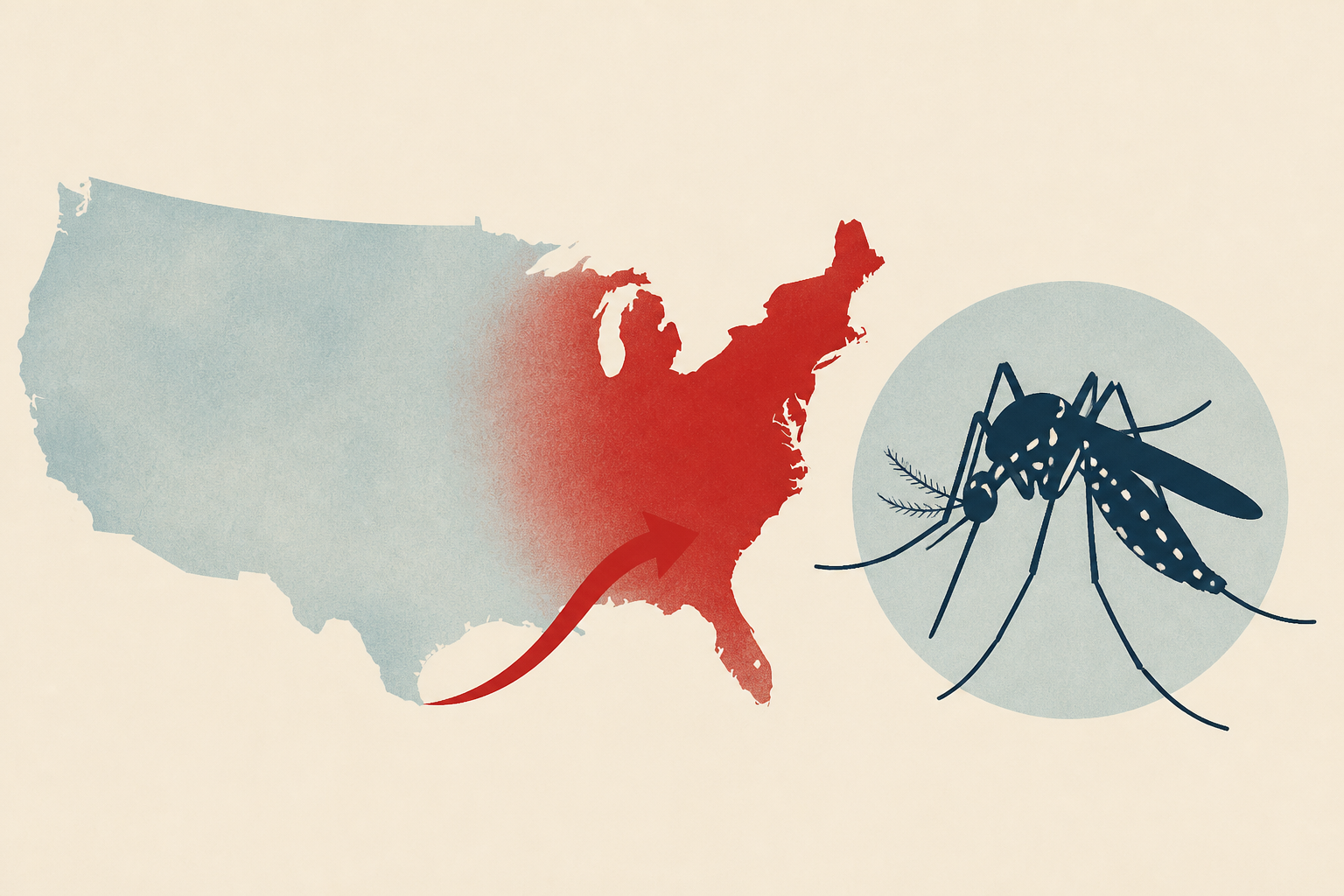
Bugbites in America used to be less of a big deal. Until this species moved in.
Slate • • health
Key Points:
- Salt Lake City Mosquito Abatement District employs a pioneering bicycle brigade to treat stormwater catch basins with larvicide, covering about 75,000 basins monthly to control mosquito populations and prevent disease spread.
- The spread of invasive Aedes aegypti and Aedes albopictus mosquitoes across the U.S., aided by climate change and urban environments, increases the risk of mosquito-borne diseases like chikungunya, Zika, dengue, and yellow fever.
- These Aedes mosquitoes thrive in urban areas, especially in lower-income neighborhoods with abundant standing water and less managed vegetation, creating ideal breeding grounds and increasing health disparities.
- Effective mosquito management requires integrated approaches including surveillance, larval and adult control, and community involvement; however, many areas lack consistent funding and infrastructure for sustained control programs.
- Experts warn that ongoing research, surveillance, and public cooperation are critical to prevent emerging outbreaks, especially as mosquito populations adapt to new climates and urban environments amid global warming.


