AI Image
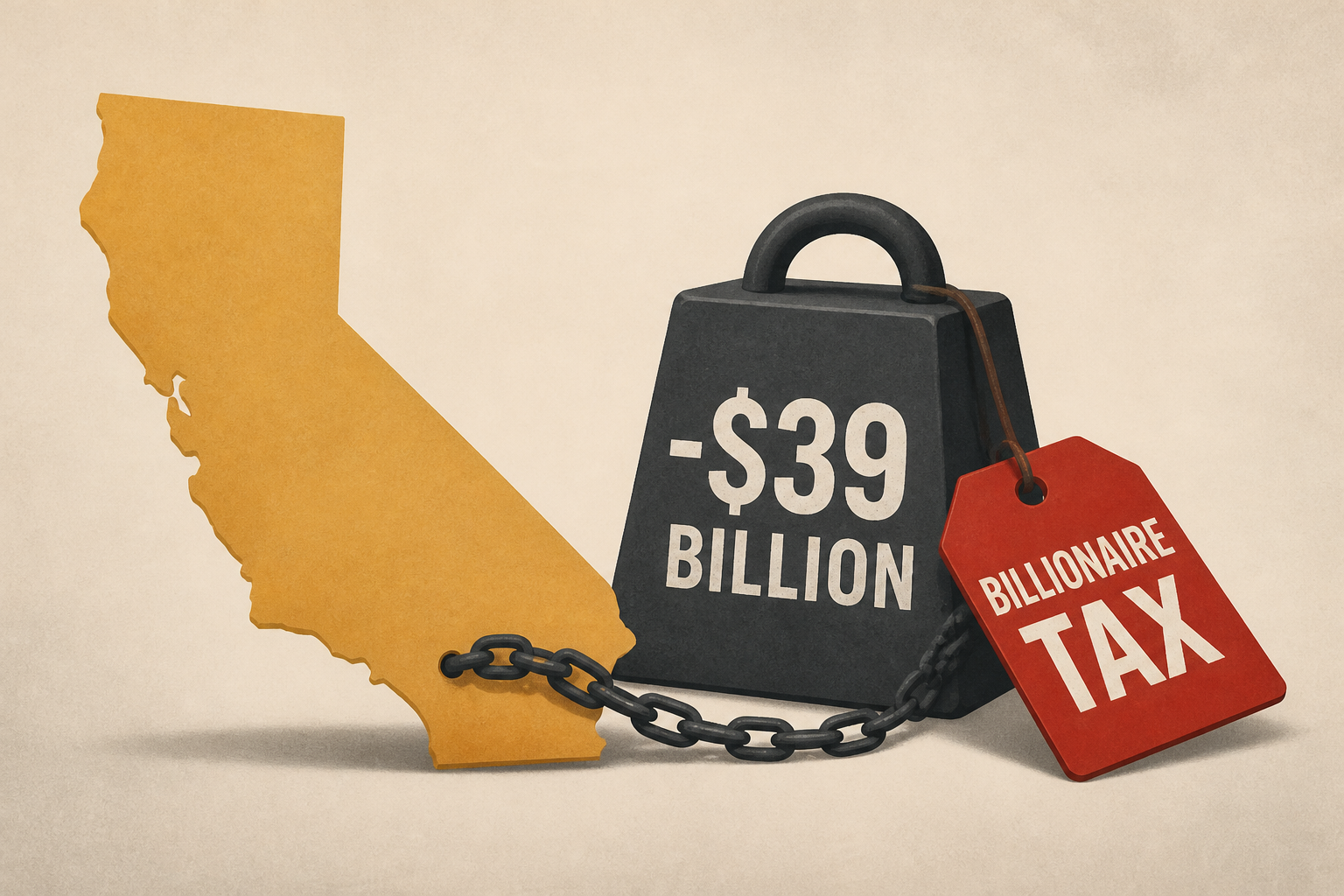
California’s billionaire tax could leave the state $39 billion poorer, Stanford economists warn
Fortune • • nation
Key Points:
- Proposition 40 on California’s Nov. 3 ballot would impose a one-time 5% tax on the net worth of billionaires residing in the state as of Jan. 1, 2026, excluding most real estate and retirement assets, with tax payments due in 2027.
- Economists Benjamin Jaros and Joshua Rauh estimate the tax would raise about $30 billion, less than a third of proponents’ expectations, largely because many billionaires have already moved out of California, reducing the tax base.
- The researchers warn that billionaire departures could cause annual income tax revenue losses of $1 billion to $3.5 billion, potentially resulting in a net fiscal loss for the state over time, though these projections are contested by other economists and the union supporting the measure.
- Opponents, including tech billionaires who have contributed over $340 million to the campaign, and Governor Gavin Newsom argue the tax could drive wealthy residents away, supporting competing measures that could block Proposition 40.
- Voter opinion is divided, with polls showing near-even support and opposition, and the final impact of the tax—if passed—on California’s economy and tax revenues remains uncertain and may take years to assess.


