Calls For Artemis II To Be Postponed After Successful Prediction Of Far Side Solar Eruptions
IFLScience • • science
Key Points:
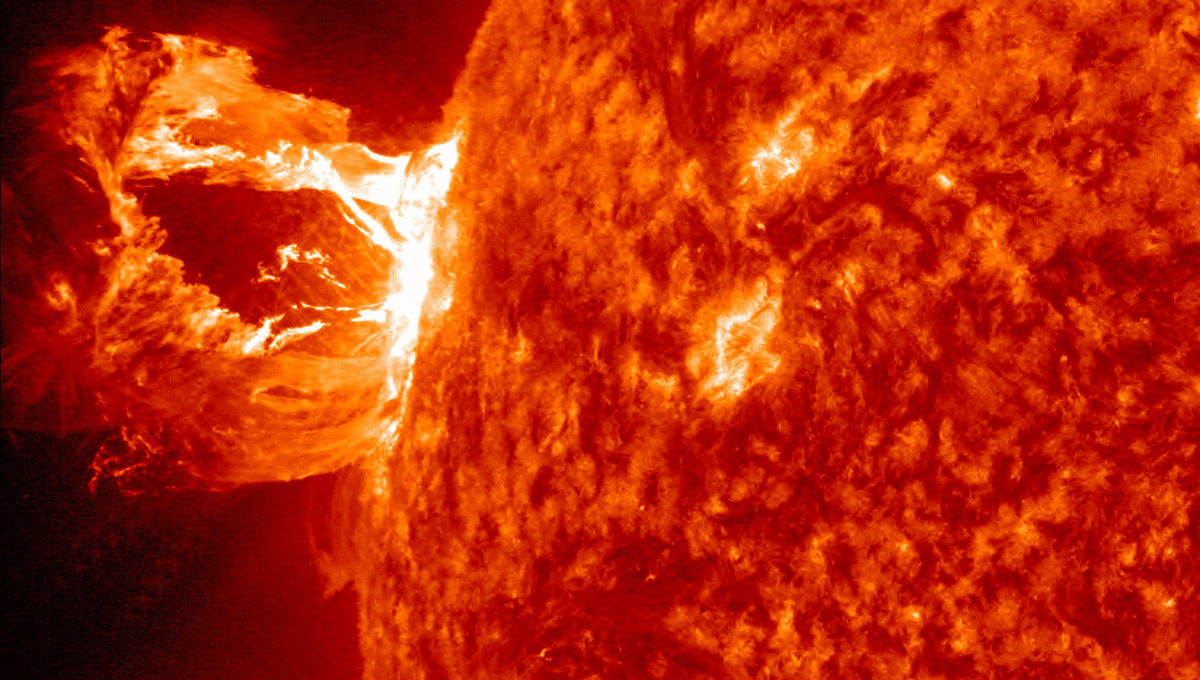
- Large solar flares pose significant risks to astronauts and modern electrical infrastructure, with the potential for severe disruptions similar to the historic Carrington Event.
- Researchers led by Dr. Victor M. Velasco Herrera have identified two previously overlooked solar cycles of 1.7 and 7 years that, when combined, increase the likelihood of superflares, allowing for months-long advance warnings.
- The team predicts a peak in superflare activity from mid-2025 to mid-2026 in the Sun’s southern hemisphere, followed by a shorter flaring period in the northern hemisphere, providing critical lead time for protecting satellites, power grids, and astronaut safety.
- Recent observations of large X-class flares in May 2024, detected by


