AI Image
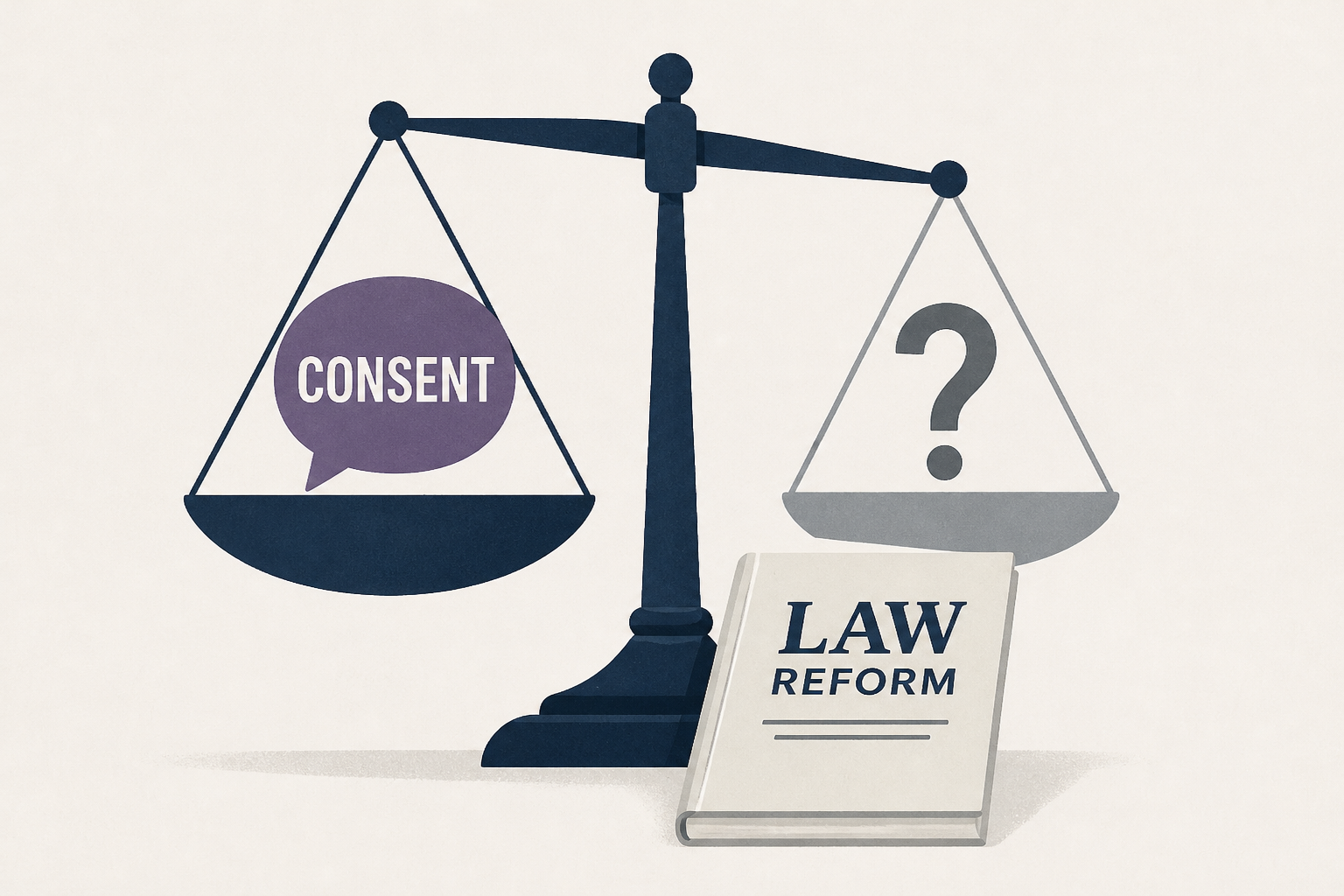
Calls for consent defence change after Joanne Young rape case
BBC • • world
Key Points:
- Philip Young drugged, raped, and secretly advertised his wife Joanne Young for sex online over 13 years, leading to the conviction of four men for sexual offences against her in a landmark trial in England.
- The case has sparked urgent calls from Joanne Young, her daughter Alex, and others for the government to update laws to prevent defendants from using "third-party consent" as a defense in rape cases, emphasizing that consent must be given personally.
- Legal experts and campaigners highlight that current laws do not clearly prohibit third-party consent defenses, and they advocate for stronger protections and clearer legislation to reflect societal progress and protect victims more effectively.
- Survivors like Joanne Young, Laura Bishop, and Zoe Watts have waived their anonymity to raise awareness about drug-facilitated sexual abuse and the ongoing issues with online platforms that host exploitative content without adequate oversight.
- Advocates call for improved prosecution practices, better training for professionals, and accountability for websites hosting abusive material, stressing the need for systemic change to support victims and prevent such crimes.


