AI Image
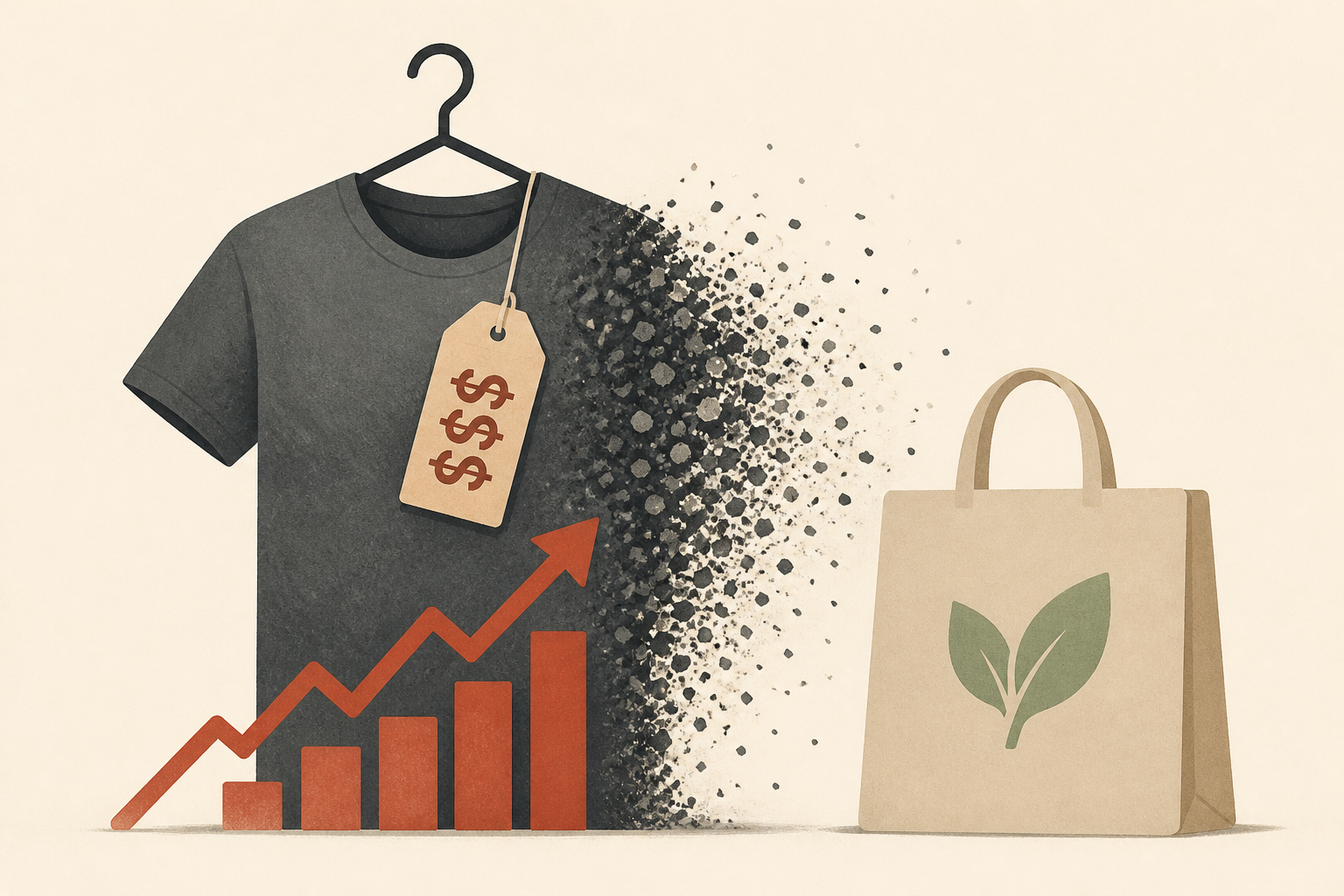
Cheap clothes are more expensive. Why shoppers are ditching polyester
CNBC • • business
Key Points:
- The composition of apparel imported into the U.S. has shifted from 60% cotton in 2010 to about 45% cotton today, with synthetic fabrics like polyester and nylon now dominating imports, contributing to rising apparel prices since 2020.
- Consumers are increasingly scrutinizing clothing materials and rejecting cheap synthetics sold at premium prices, driven by concerns over quality, environmental impact, and health, with Gen Z notably criticizing polyester as low-quality.
- Supply chain disruptions from the pandemic, tariffs, and geopolitical tensions have pushed companies to use less expensive fabrics and shift manufacturing away from China to lower-cost countries, often impacting clothing quality.
- Brands emphasizing natural, higher-quality materials, such as Ralph Lauren and Quince, are benefiting from consumer preferences, seeing increased sales and brand valuation, while some fast fashion brands like Shein and Zara face declining consumer sentiment.
- Rising costs of synthetic fibers, influenced by oil prices and supply chain challenges, may encourage a future shift back toward natural fabrics as consumers demand better quality and sustainability in apparel.


