AI Generated Image
Can Trump’s economic war on Iran do what strikes and talks couldn’t? : NPR
NPR • • nation
Key Points:
- Nearly six months into the U.S.-Israel war against Iran, the conflict has become protracted, straining the global economy, Gulf allies, and U.S. military resources, while shifting U.S. goals from nuclear curbing to regime change and control over the Strait of Hormuz.
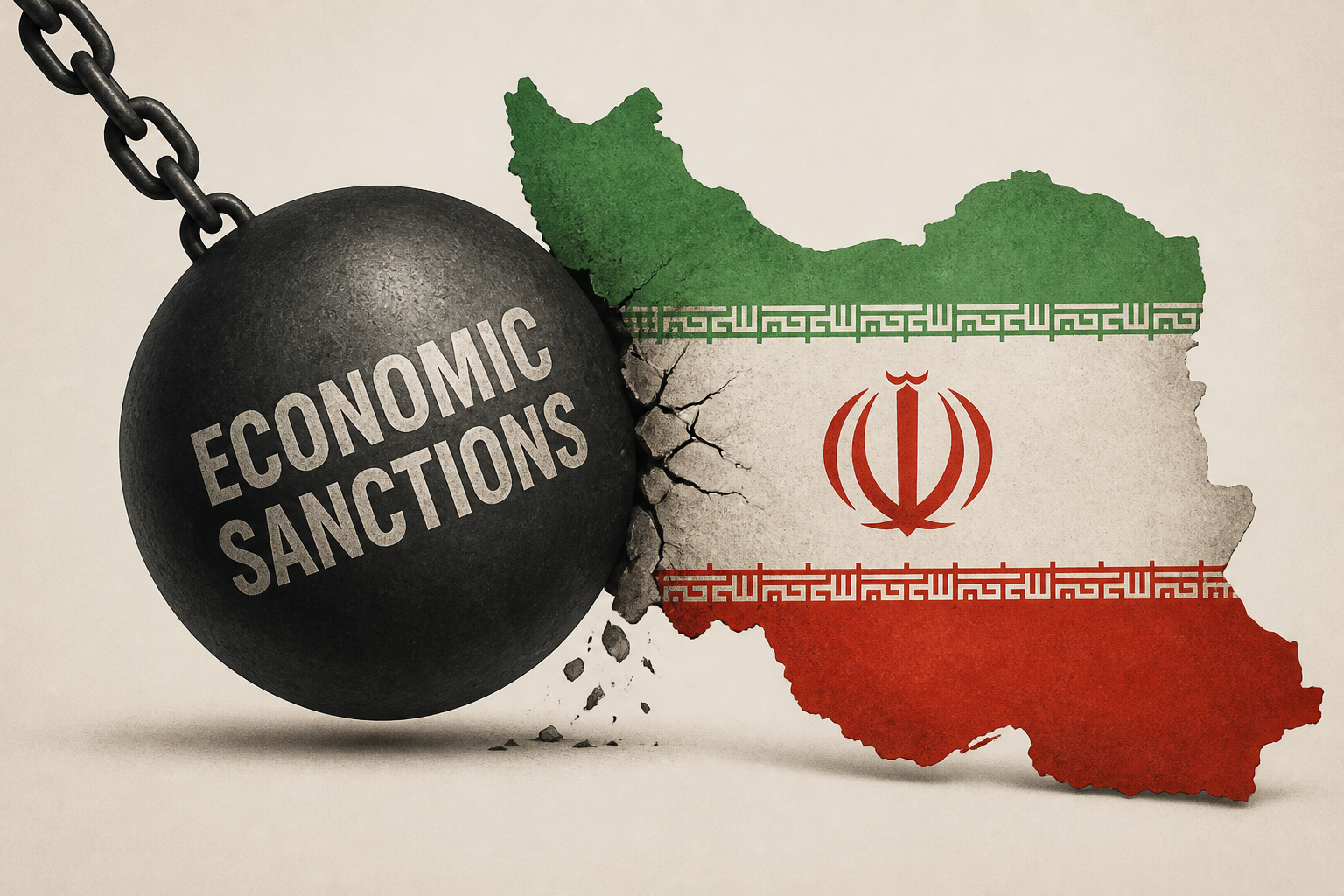
- U.S. Treasury Secretary Scott Bessent announced a new sanctions campaign aiming to sever Iran's economic lifelines, warning nations doing business with Iran they risk isolation, though past sanctions have failed to fully cripple Iran due to smuggling and evasion tactics.
- Regional allies like the UAE have begun halting trade with Iran, but the success of sanctions largely depends on cooperation from major partners such as China, which continues significant crude oil imports from Iran despite U.S. pressure.
- Economic hardship in Iran is severe, with shortages of medicine and soaring costs reported by citizens, while Iranian officials openly acknowledge the blockade’s impact and threaten retaliatory measures targeting alternative oil shipping routes.
- The conflict has escalated into a war of economic attrition, with Tehran signaling readiness to retaliate strongly against countries enforcing U.S. sanctions, reflecting a high-stakes standoff over regional control and economic survival.


