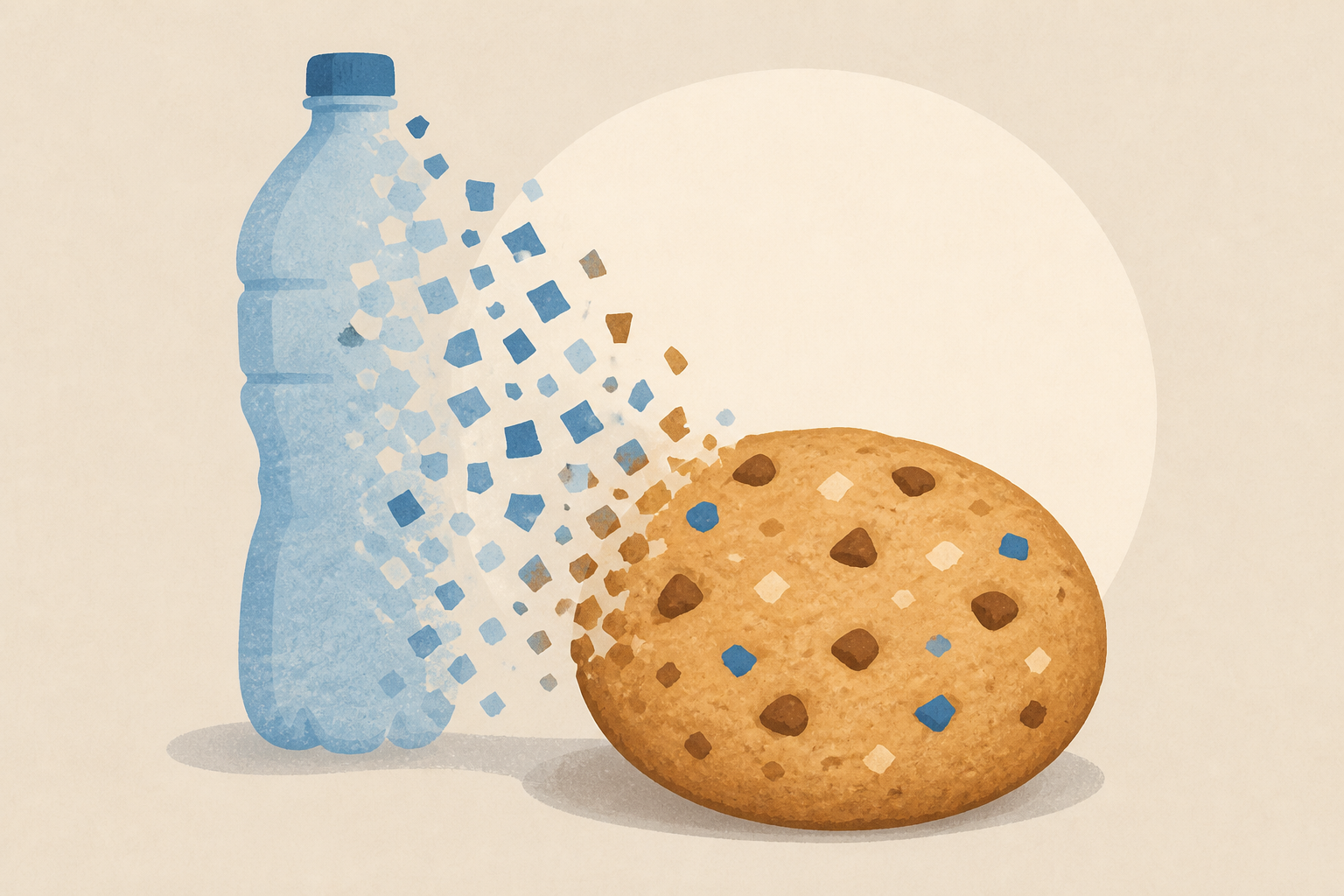
AI Generated Image
Scientists made edible cookies out of plastic
Mashable • • business
Key Points:
- Scientists have developed "µBites," edible cookies made by converting PET plastic into nutritious protein using genetically programmed yeasts, aiming to tackle pollution and hunger simultaneously.
- The process involves breaking down PET plastic and agricultural waste into carbon-rich liquids, which are then metabolized by yeasts to produce proteins, vitamins, flavors, and colors, followed by 3D printing the mixture into cookies.
- While the cookies have not yet been taste-tested by humans, early feedback highlights a pleasant aroma, and researchers hope µBites could serve as food in scarcity situations or extreme environments like space missions.
- Challenges remain regarding public acceptance due to the psychological barrier of consuming food derived from plastic, despite scientific assurances of safety.
- Further development is ongoing to improve the product's appeal, with potential public availability anticipated within a few years.


