AI Image
Canada's Supreme Court largely upholds a Quebec ban on religious symbols for public servants
PBS • • general
Key Points:
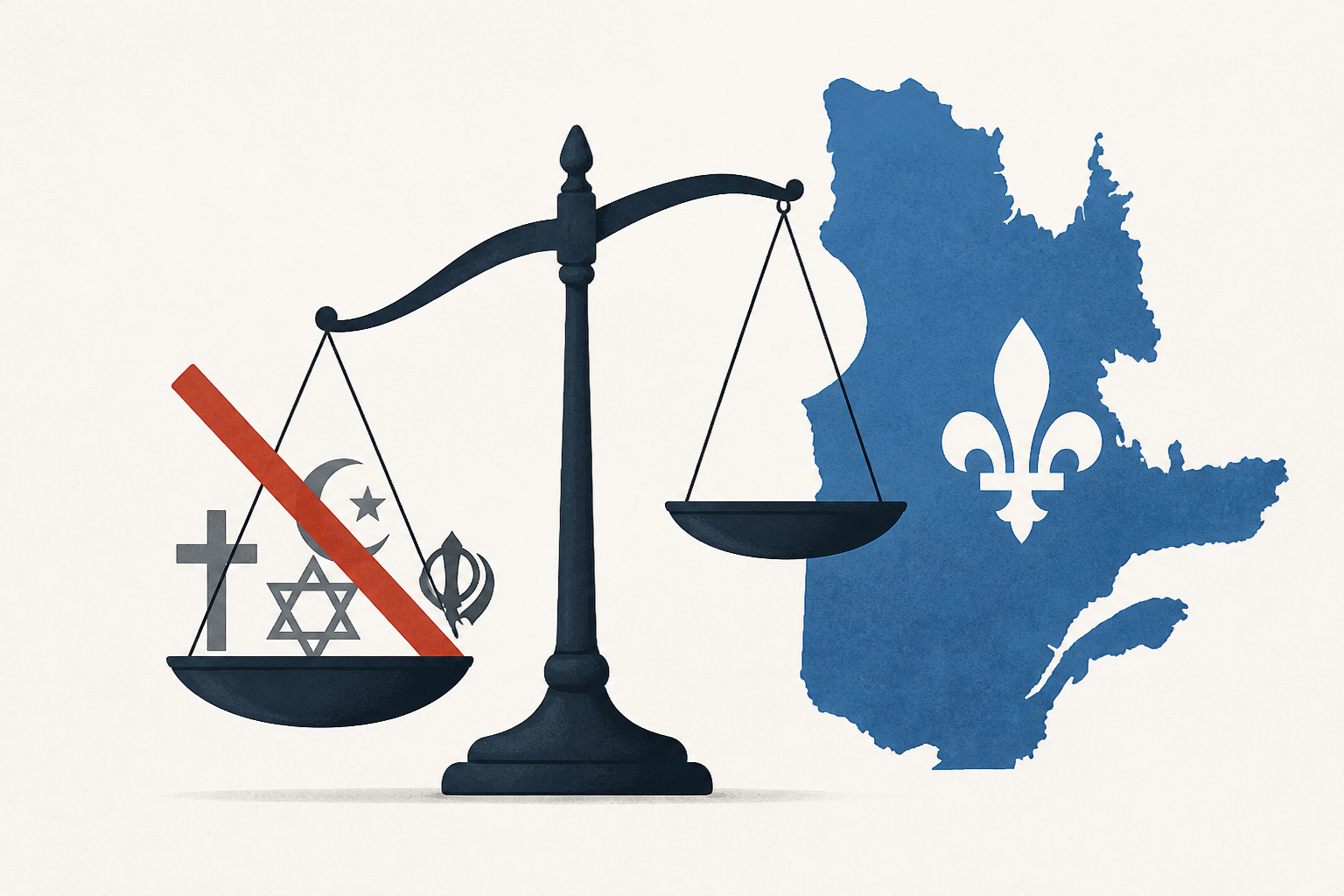
- Canada's Supreme Court upheld most of Quebec's Bill 21, a 2019 law banning public schoolteachers, police officers, and other public employees in authority from wearing religious symbols at work, affirming Quebec's power to override certain constitutional rights using the "notwithstanding clause."
- The law prohibits visible religious symbols such as Muslim headscarves, Sikh turbans, Jewish skullcaps, and Christian crosses among covered workers, aiming to maintain government neutrality and secularism, a stance supported by Quebec Premier Paul St-Pierre Plamondon.
- Prime Minister Mark Carney respected the ruling but pledged not to use the constitutional override, emphasizing the importance of protecting minority rights and valuing Canada's multicultural commitment.
- The court allowed an exemption for Quebec legislators to wear religious coverings while performing their duties and recognized the province's historical commitment to secularism stemming from its rejection of the Roman Catholic Church's past influence.
- Critics, including minority advocacy groups and other Canadian provincial leaders, argue the law discriminates against religious minorities, particularly Muslim women, with some labeling it legislated discrimination and vowing not to adopt similar measures.


