AI Image
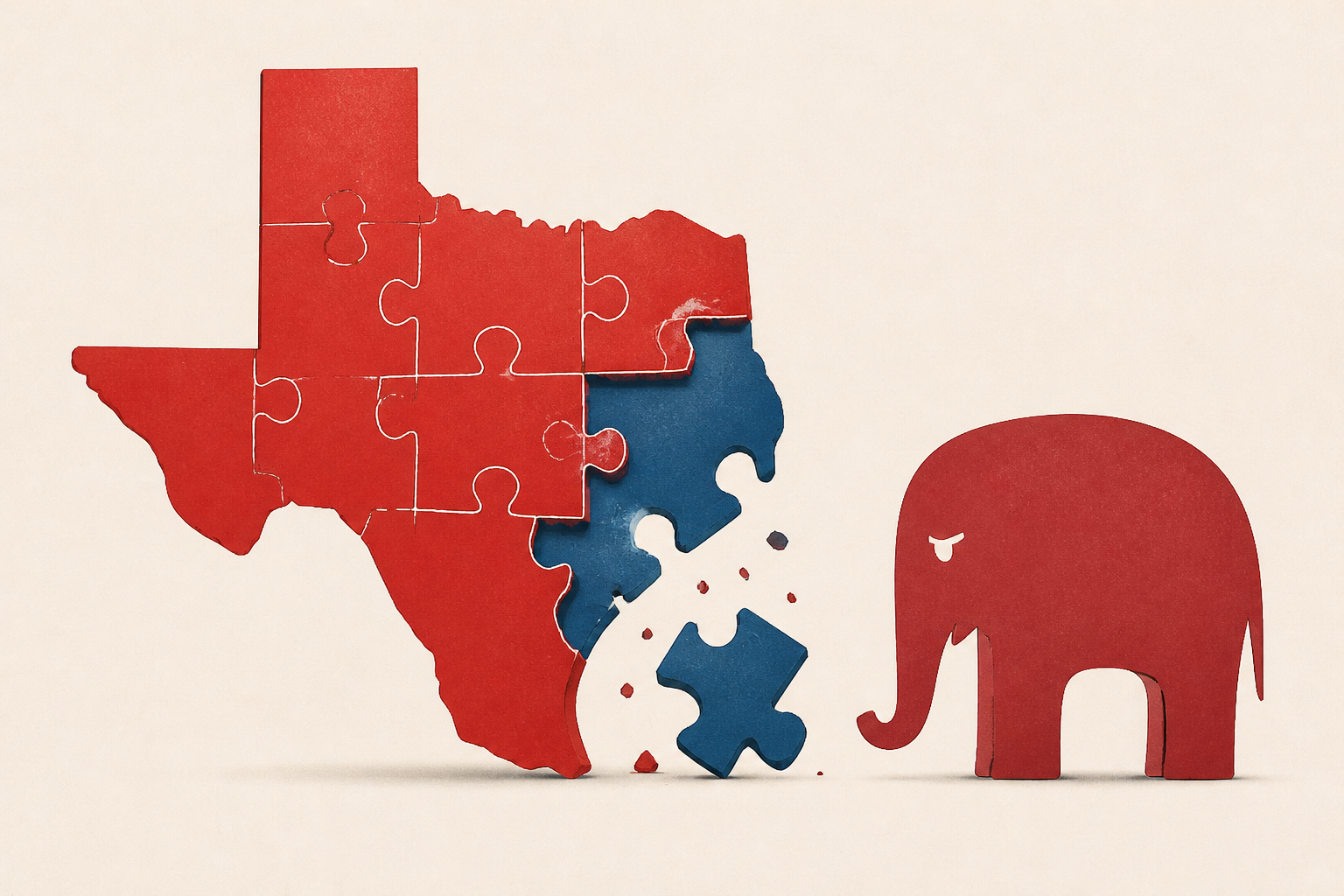
Challenges may lie ahead for Republicans after redistricting in Texas backfires
CBS News • • nation
Key Points:
- Despite Republican efforts to gain five new Congressional seats in Texas through redistricting, Democrats gained one seat, ending with 14 seats to Republicans' 24 after the midterm elections.
- Republicans secured a win in the newly drawn 32nd Congressional District in North Texas with Jace Yarbrough, who overcame early vote deficits by focusing on voters' concerns amid challenging national political headwinds.
- Democrats held onto four key districts that Republicans targeted, including seats in Houston, Laredo, South Texas, and near San Antonio, with significant margins of victory over Republican challengers.
- The increase in Hispanic voter turnout and their shift towards Democrats, particularly due to economic concerns, played a crucial role in the GOP's failure to flip several districts despite favorable redistricting.
- Demographic changes in Texas suburbs, driven by younger and more diverse populations, are making these areas increasingly politically competitive, prompting some Democrats to propose reforms for an independent redistricting commission.


