AI Image
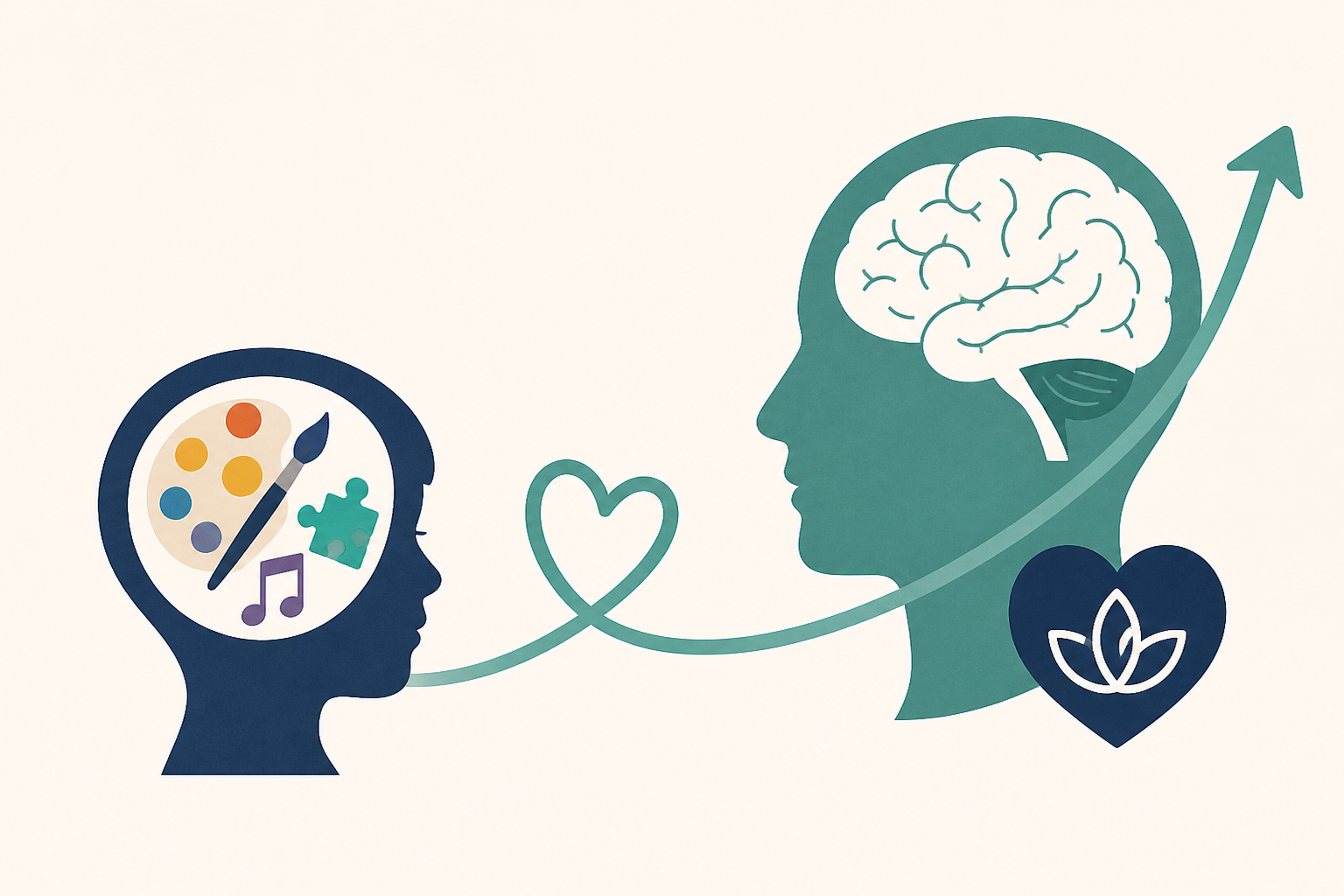
Childhood hobby tied to better mental health, brain function as adults
New York Post • • health
Key Points:
- Research indicates that early recreational reading, starting between ages 2 and 9, is associated with better cognitive abilities, mental well-being, and academic performance during adolescence.
- Young readers showed advantages such as improved verbal learning, memory, speech development, reduced stress and depression, sharper attention, fewer behavioral issues, less screen time, and more sleep.
- Brain imaging revealed that early readers had moderately larger brain volumes in areas linked to cognitive function, mental health, behavior, and attention.
- Experts recommend encouraging early reading habits, ideally around 12 hours per week, as excessive reading beyond this may reduce benefits, possibly due to less physical or social activity.
- Despite its benefits, reading for pleasure is declining among American children, with only 37% of 9-year-olds reading daily for fun in 2025, down from 53% in 1984; reading also offers mental health benefits for adults.


![Asus Googlebook shows off a big trackpad and plenty of ports in leaked images [Gallery]](https://media-cdn.cashwalklabs.io/https%3A%2F%2Fs3.us-west-2.amazonaws.com%2Fimages.cashwalklabs.io%2F0_admin%2Fnews-ai-images%2F01a0b68d-ee3d-710b-bfc1-fecb6ceac47e.webp?format=webp&w=120&h=80)


