AI Image
Childhood toxin 'leading explanation' for young colon cancer spike
New York Post • • health
Key Points:
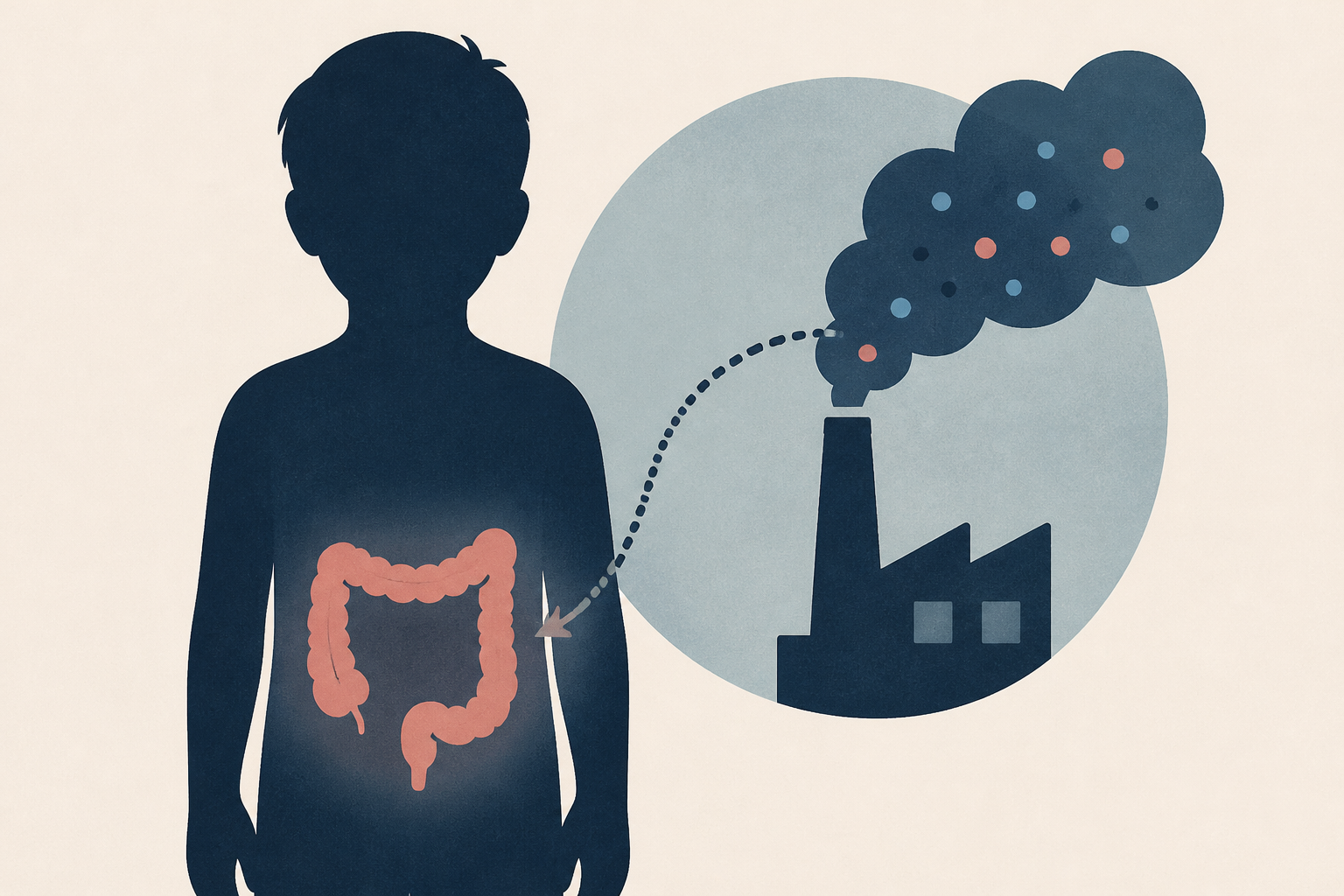
- A leading theory suggests that exposure to a gut bacterial toxin called colibactin during childhood may significantly contribute to the rising incidence of colorectal cancer among young people, a disease traditionally seen in older adults.
- Research shows that colibactin-producing E. coli strains leave a distinctive DNA mutation pattern in colon cells, with these mutations appearing early in tumor development and being 3.3 times more common in early-onset cases compared to those diagnosed after age 70.
- About 15% of key cancer-driving mutations in colorectal tumors are linked to colibactin, potentially accelerating cancer onset by decades if these mutations occur in childhood.
- Established risk factors like obesity, smoking, and alcohol use explain only about half of colorectal cancer cases, prompting experts to highlight the bacterial toxin as a probable major factor behind the surge in younger patients.
- The presence of colibactin-producing bacteria appears mainly in people born after 1960, and mutation patterns vary globally, indicating environmental influences and underscoring the need for region-specific prevention strategies.


