AI Image
Coping with SAD, the seasonal disorder that can bring on months of depression
Newsday • • health
Key Points:
- Seasonal affective disorder (SAD) affects about 5% of Americans, causing symptoms like low energy, carbohydrate cravings, and hopelessness during fall and winter months when daylight decreases.
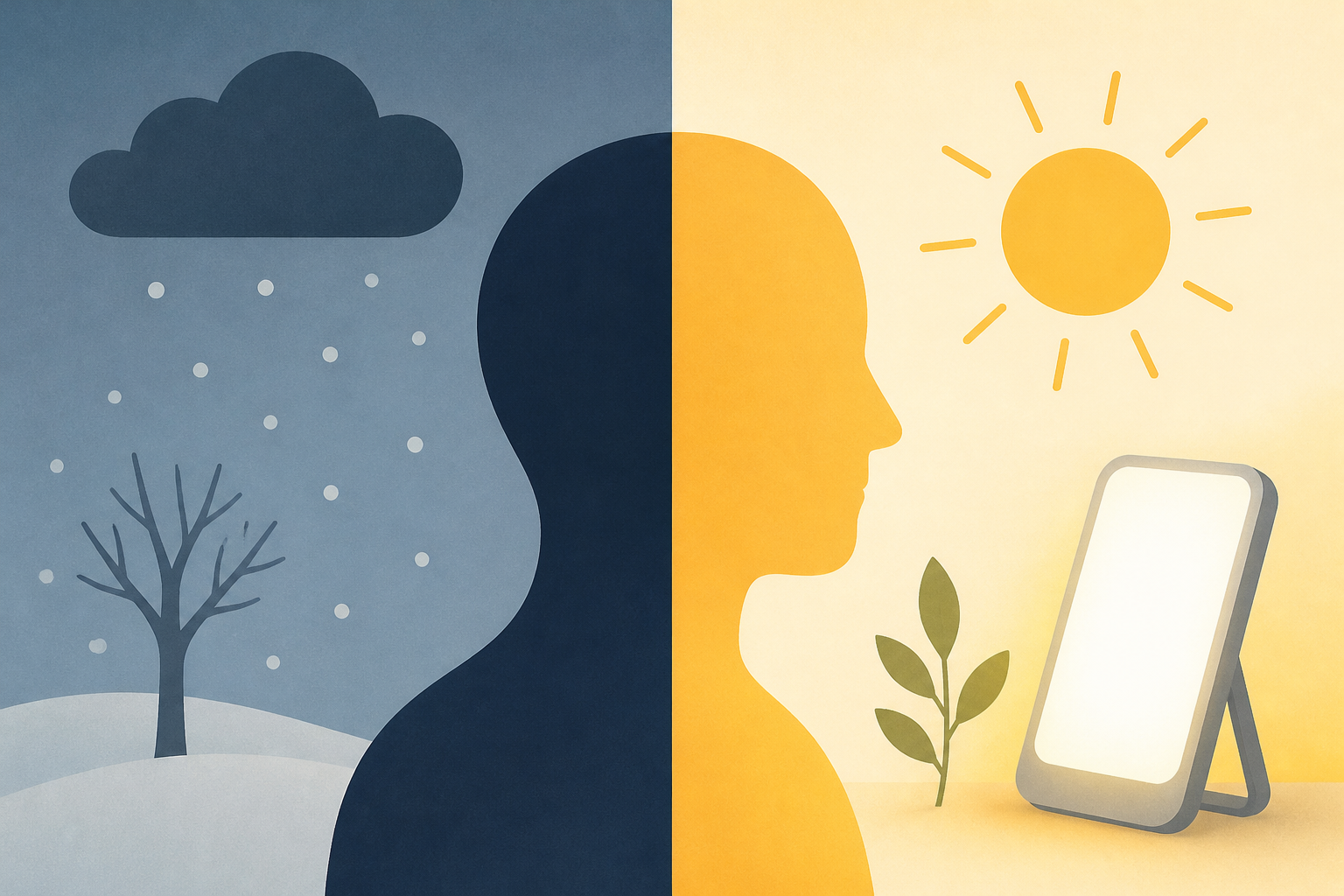
- SAD is linked to reduced sunlight exposure, which disrupts circadian rhythms and serotonin levels, impacting sleep and mood; it is more common in regions farther from the equator.
- Treatment options include increasing sunlight exposure, light therapy using light boxes, cognitive behavioral therapy, antidepressant medication, and enhancing social interactions during colder months.
- Mental health experts emphasize the importance of proactive strategies such as regular outdoor activity and combined treatment approaches to manage SAD symptoms effectively.
- Despite its prevalence, many individuals with SAD suffer in silence until symptoms improve with the return of warmer, sunnier weather.


