Democracy After Orbánism?
Jacobin • • world
Key Points:
- Viktor Orbán's fall was driven by economic collapse, high inflation, underperformance of key industries, and the freezing of EU funds, exposing the moral and economic exhaustion of his cronyist regime rather than a sudden ideological shift among voters.
- Orbánism initially succeeded by balancing transnational capital, domestic bourgeoisie, and workers through clientelist redistribution and nationalism, but its lack of a developmental state and quality institutions led to systemic decay and eventual collapse.
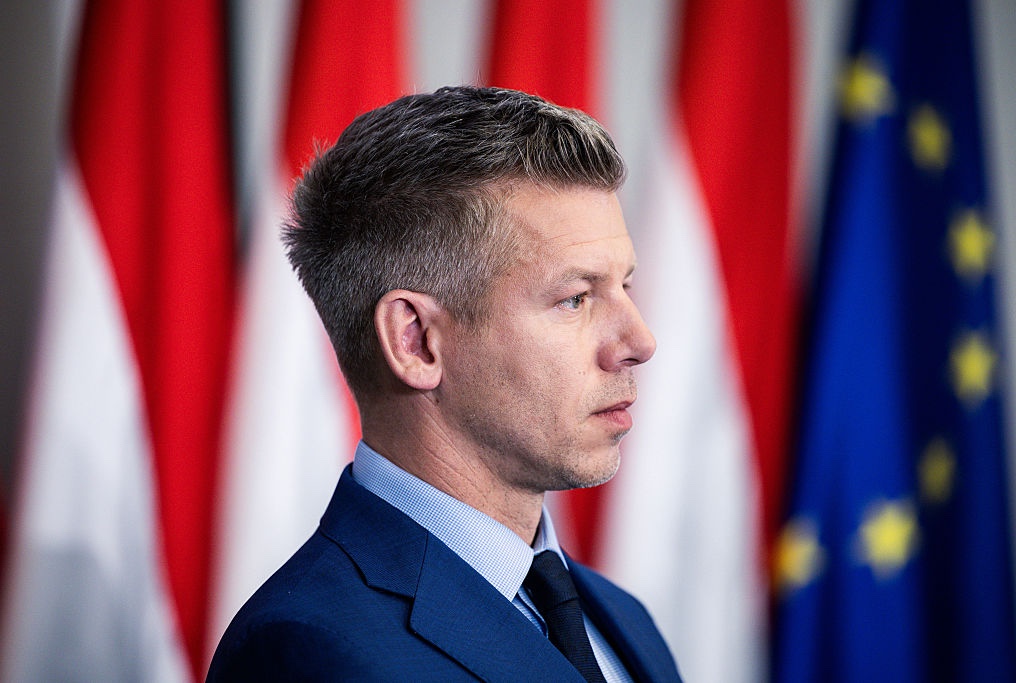
- Péter Magyar emerged as a unifying opposition figure by breaking from the old opposition's ineffective liberal orthodoxy, focusing on regime change, public services, and dignity of labor, appealing beyond metropolitan elites through personalized politics.
- The new government faces a "triple trap": economic dependency on low-wage labor and EU funds without structural reform, entrenched political networks and weak civil society limiting democratic deepening, and a cultural landscape still dominated by nationalist and xenophobic narratives.
- Sustainable democracy in Hungary requires building a transformative developmental model and revitalizing left-wing social coalitions rooted in working-class representation, economic distinctiveness, and grassroots institutions, as mere technocratic centrism or returning to 1990s liberalism risks repeating illiberal cycles.


