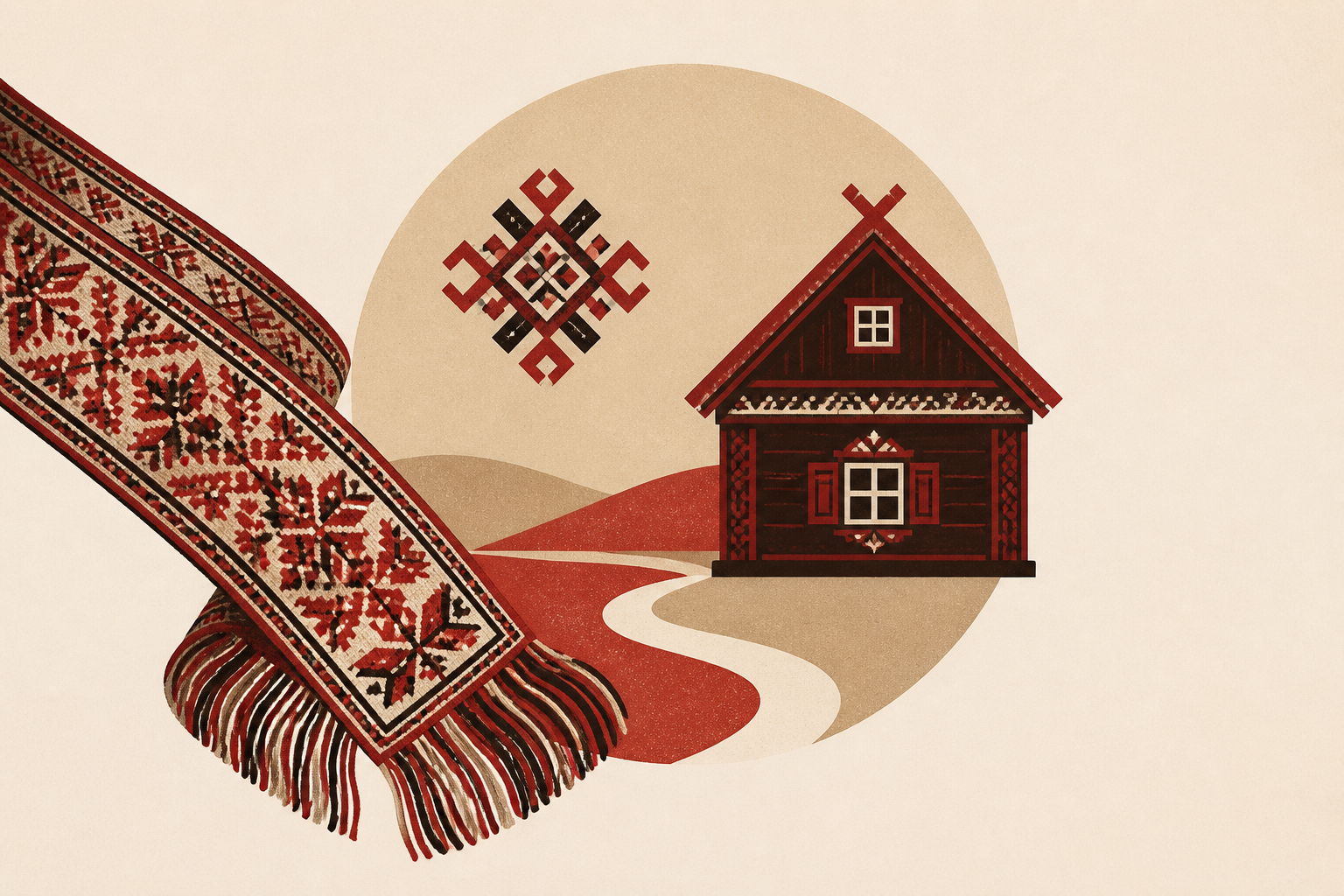
AI Generated Image
Discover the Seto people: A unique ethnic community in southeastern Estonia
AP News • • world
Key Points:
- The Seto ethnic community in southeastern Estonia annually transforms a village into a symbolic kingdom to celebrate and preserve their unique culture, language, and traditions, attracting members from across the dispersed community.
- The Seto language, closely related to Estonian, is spoken fluently by only a few thousand people despite about 25,000 reporting some knowledge; efforts to preserve it include a Seto-speaking kindergarten, a newspaper, and cultural events like kingdom day.
- The annual election of the Ülemsootska, the community leader and messenger of the Seto god Peko, highlights the integration of Eastern Orthodox and pre-Christian traditions in Seto culture, with the latest leader focusing on promoting Seto culture and language preservation.
- Traditional Seto singing, known as leelo and recognized by UNESCO, remains a vital cultural expression, featuring mythological themes and oral transmission, with younger generations actively engaged in keeping the tradition alive.
- Despite preservation efforts, the Seto language faces challenges as it is primarily learned at home, making family transmission crucial; community members emphasize the importance of involving youth to sustain the language and cultural identity.


