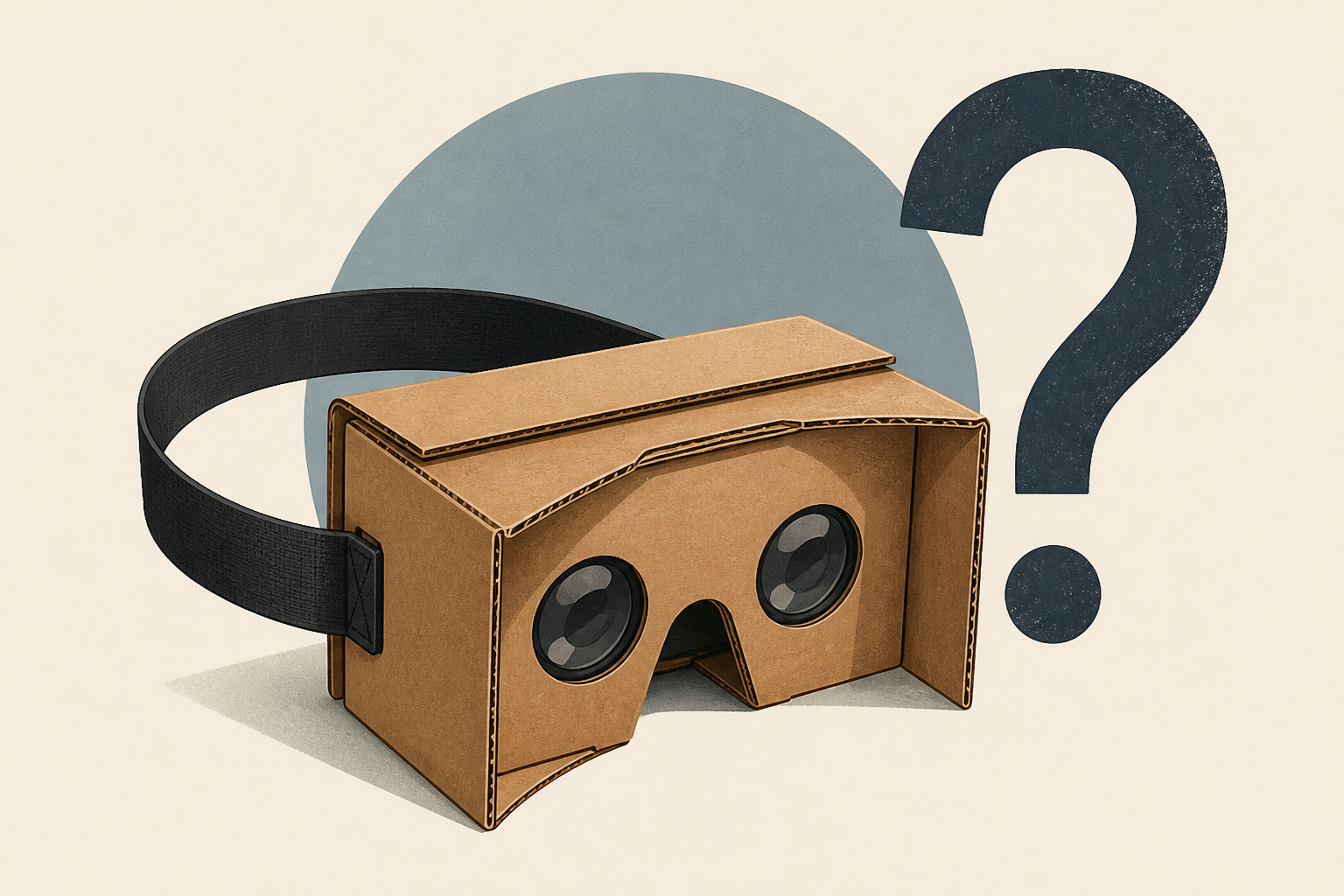
AI Image
DIY VR: How to build your own headset, and why you probably won't want to
Ars Technica • • general
Key Points:
- Virtual reality (VR) experienced a resurgence with Oculus Rift in 2016 but has since seen declining momentum, with slower headset development and companies like Apple scaling back efforts.
- DIY VR headset building has emerged as a niche hobby, offering enthusiasts a chance to create affordable headsets (~$180-$240) using 3D printing, Arduino boards, and inexpensive components, though it requires significant time and technical skills.
- Common challenges in DIY VR include fragile hardware (e.g., LCD displays), sensor inaccuracies due to counterfeit or lower-quality IMUs, and comfort issues, leading to subpar tracking and user experience compared to commercial headsets.
- While DIY projects provide valuable insights into VR hardware design and customization potential, the cost savings are offset by performance and comfort limitations, making commercial headsets like Meta Quest 3S more practical for most users.
- Enthusiasts willing to invest additional time and money can upgrade components such as sensors and displays, but total costs may approach those of mainstream VR devices, limiting DIY VR's appeal to hobbyists rather than general consumers.


