AI Image
Doctors Explain The Difference Between Healthspan And Lifespan
HuffPost • • health
Key Points:
- Life expectancy in the U.S. has rebounded to around 79 years after a COVID-19-related decline, though it remains lower than in countries like Japan and Norway.
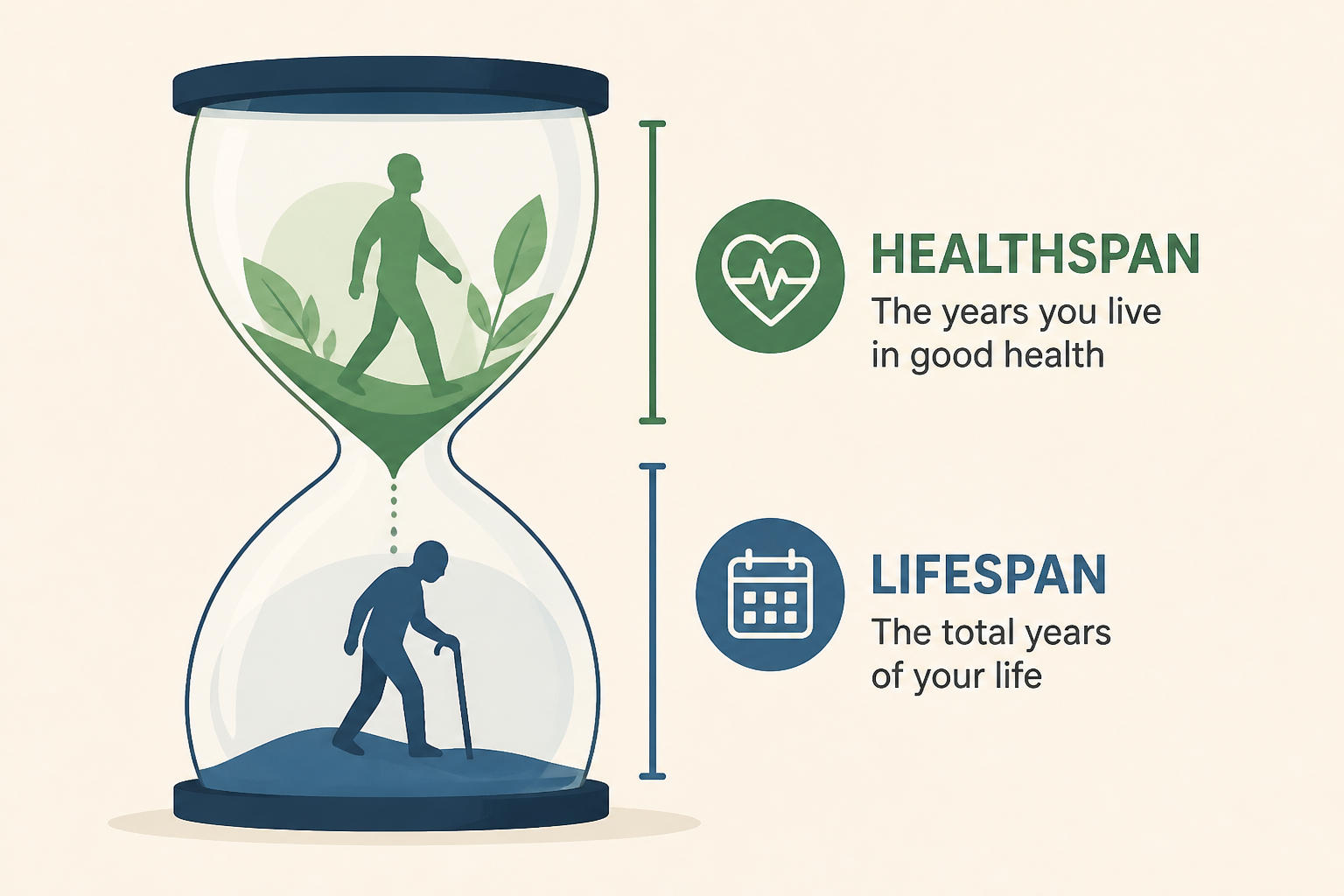
- Lifespan refers to how long a person lives, while healthspan focuses on the years lived in good health without chronic diseases or disabilities, typically peaking around age 65.
- Chronic conditions such as hypertension, arthritis, and heart disease often emerge in the mid-60s and beyond, affecting healthspan, but managing these conditions can help maintain independence and quality of life.
- Healthy aging is best supported by lifestyle habits including a nutritious diet, regular exercise, not smoking, adequate sleep, and managing blood pressure, blood sugar, and cholesterol, as outlined in the American Heart Association’s Life Essential 8.
- Social connections and regular health screenings are also crucial for extending healthspan, and starting or increasing physical activity at any age can significantly reduce health risks and improve longevity.


