AI Image
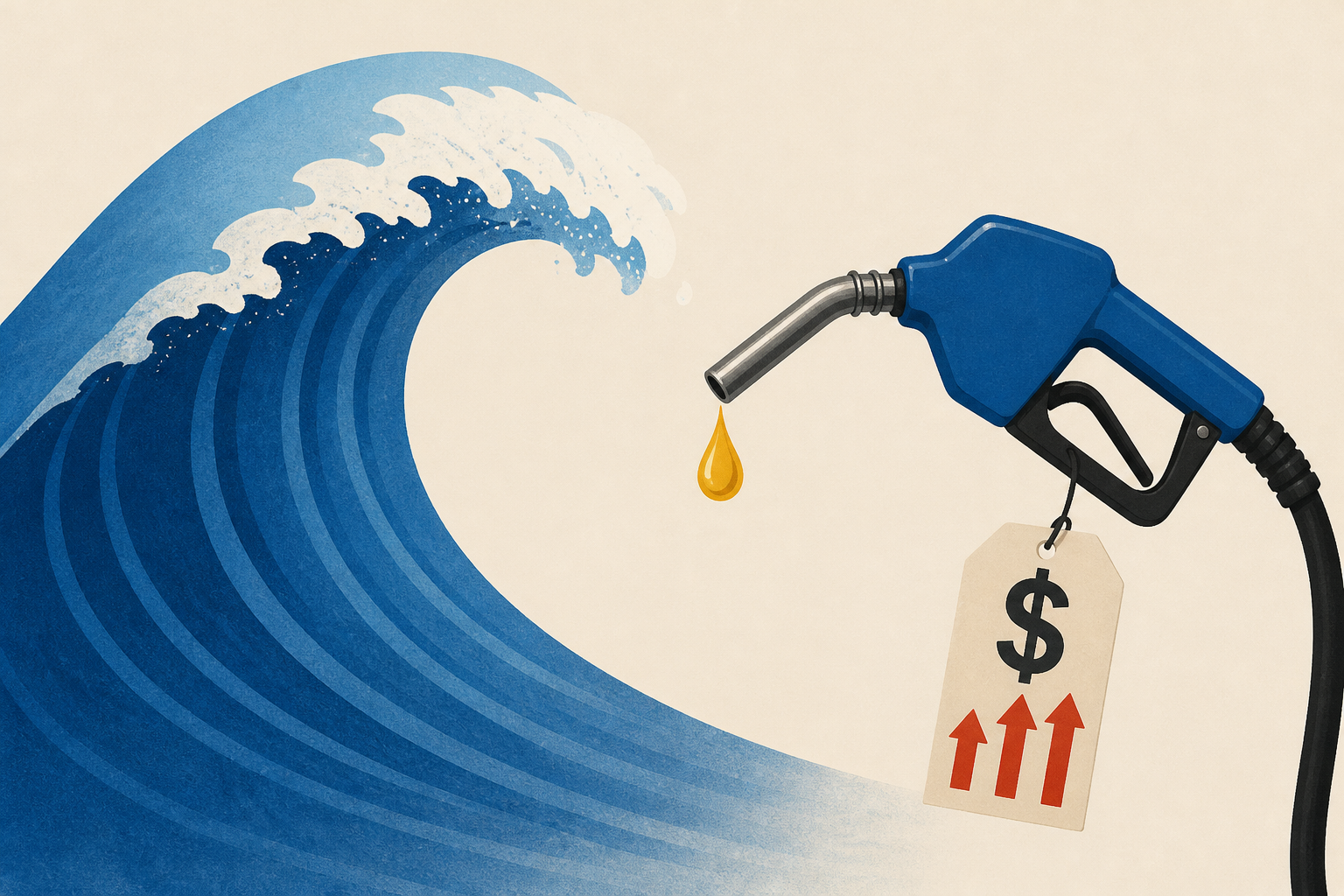
Does the blue wave mean lower gasoline and diesel prices soon? Don't hold your breath
NPR • • nation
Key Points:
- Democrats' success in the midterms is partly driven by voter anger over rising fuel costs linked to the war in Iran, which has disrupted oil flow through the Strait of Hormuz and pushed crude prices up significantly.
- While the new Democratic-controlled Congress may pressure the president to end the war and reduce fuel costs, direct influence on oil prices is limited due to the global nature of the market and presidential executive powers.
- Experts suggest that if a peace deal is reached and the Strait of Hormuz reopens, crude oil prices could drop sharply within days, but gasoline and diesel prices might take three to six months or longer to return to prewar levels due to logistical and refining delays.
- Additional factors such as ongoing conflict in Ukraine affecting diesel supplies, potential refinery maintenance issues, and elevated freight and insurance costs for oil transport could prolong high fuel prices even if the Iran conflict ends.
- Overall, a definitive end to the war is necessary for significant and sustained relief in fuel prices, but expensive gasoline may become the new normal if geopolitical tensions and logistical challenges persist.


