Dual citizenship, eh? Under new law, millions of Americans may now also be considered Canadian
PBS • • nation
Key Points:
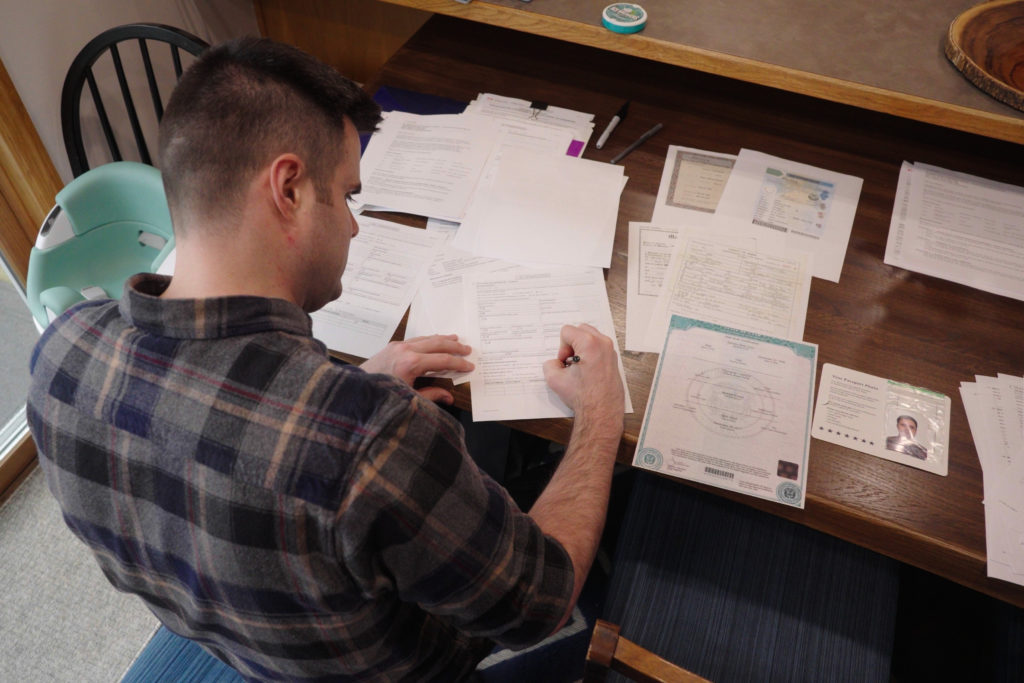
- Since the new Canadian citizenship law took effect on Dec. 15, immigration lawyers in the U.S. and Canada have seen a surge of clients seeking proof of citizenship, with many Americans exploring dual citizenship due to political and personal motivations.
- The law allows citizenship by descent to be passed down beyond one generation, enabling individuals with Canadian ancestors such as grandparents or great-grandparents to obtain citizenship by providing proof, though those born after Dec. 15 must show their Canadian parent lived in Canada for at least 1,095 days.
- Motivations for Americans pursuing dual citizenship include dissatisfaction with U.S. politics, immigration policies, and concerns about future security, with some citing personal experiences and political climate as reasons to seek Canadian citizenship.
- The application fee for proof of citizenship is modest at 75 Canadian dollars, but total costs can rise significantly if legal or genealogical assistance is needed; many applicants, however, are successfully applying independently using online resources.
- While Canadians are generally welcoming, some express concern that a large influx of applicants with limited ties to Canada might delay citizenship processing for refugees and asylum-seekers, raising questions about "convenience citizenship."


