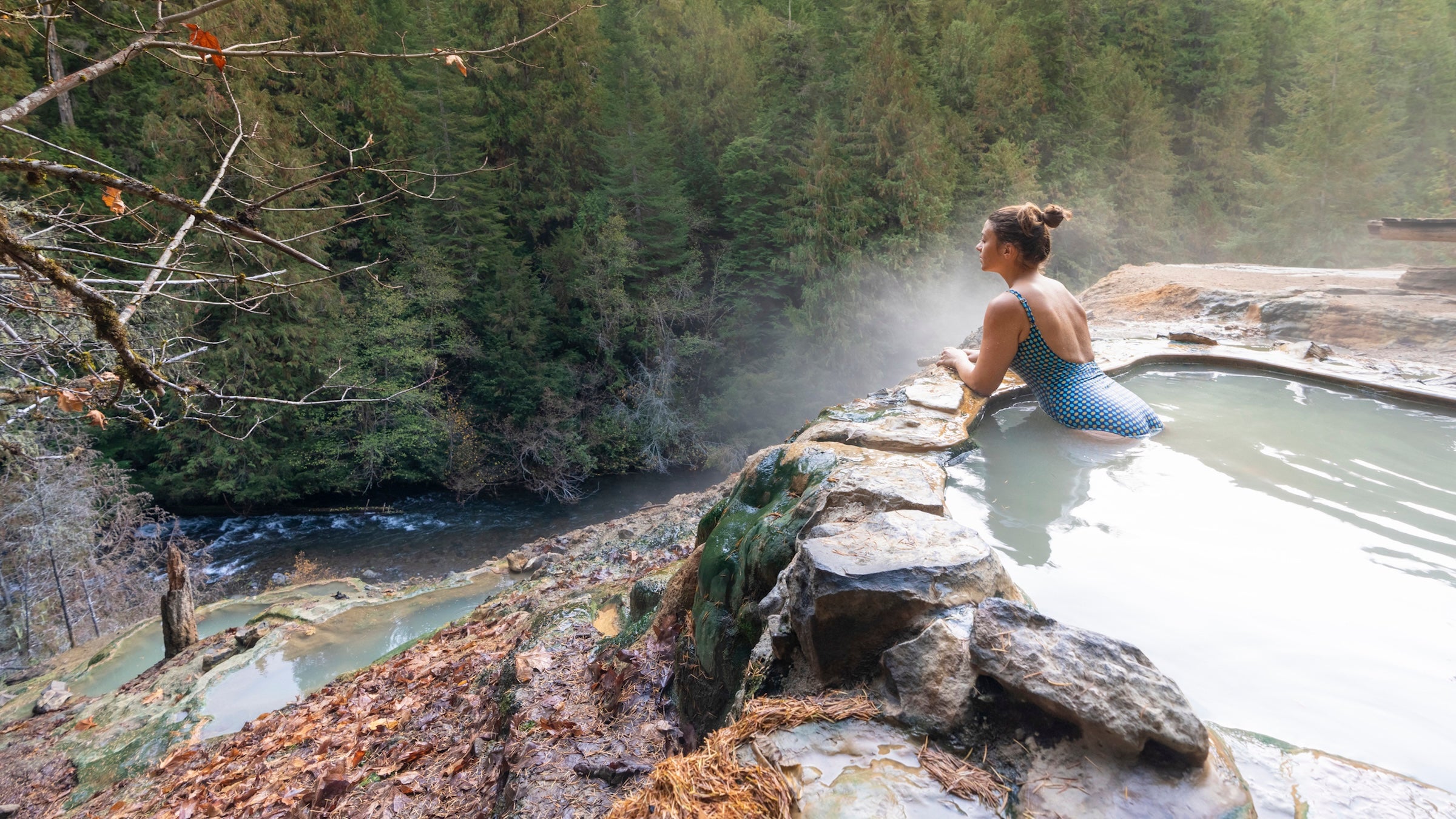
Eating Amoeba Found in Several National Park Hot Springs
Outside Magazine • • health
Key Points:
- Researchers detected the deadly "brain-eating amoeba" Naegleria fowleri in hot springs and warm waters across popular western U.S. national parks including Yellowstone, Grand Teton, and Lake Mead Recreation Area, with 34% of sampled waterways testing positive.
- The amoeba thrives in warm freshwater between 71 and 115 degrees Fahrenheit, and its range is expanding northward due to rising temperatures and drought conditions linked to climate change.
- Though infections are rare, N. fowleri causes Primary Amebic Meningoencephalitis (PAM), which is fatal in 98% of cases, with only four survivors reported in the U.S. since 1962.
- The National Park Service advises visitors to assume the pathogen may be present in warm freshwater bodies and recommends preventive measures such as avoiding water entering the nose, wearing nose clips, and not disturbing sediment.
- Enhanced monitoring, public awareness, and risk management are urged by researchers to reduce infection risks amid warming climates and increasing amoeba presence in recreational waters.


