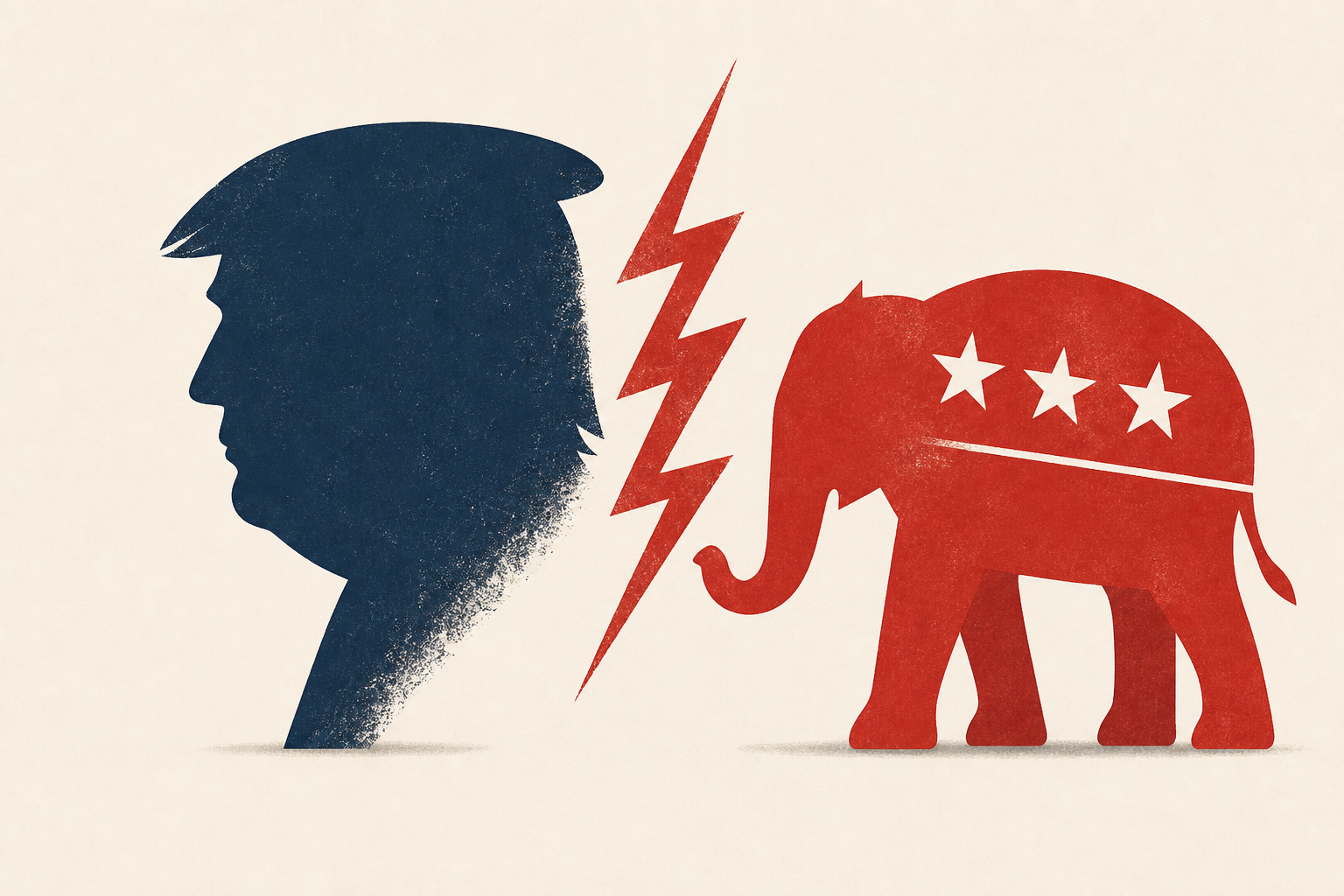
AI Generated Image
Election-year friction between Trump and Republican senators is growing
AP News • • nation
Key Points:
- President Donald Trump's recent actions, including delaying Jay Clayton's nomination for national intelligence director and threatening not to sign the renewal of a key surveillance law, have intensified tensions with Senate Republicans.
- Republican senators have publicly criticized Trump’s foreign policy decisions, particularly his deal to end the Iran war, marking a shift from the previously unified GOP stance.
- Senate Majority Leader John Thune faces pressure from Trump to pass the proof-of-citizenship voting legislation, despite lacking sufficient support in the Senate, though Thune maintains a stable working relationship with the president.
- Internal GOP divisions have emerged, with some senators criticizing efforts to eliminate the filibuster and expressing frustration over Trump’s influence on primary races and legislative priorities.
- Trump’s pool of loyal Senate allies has diminished compared to a year ago, as several previously supportive senators have become frequent critics following primary challenges and political disagreements.


