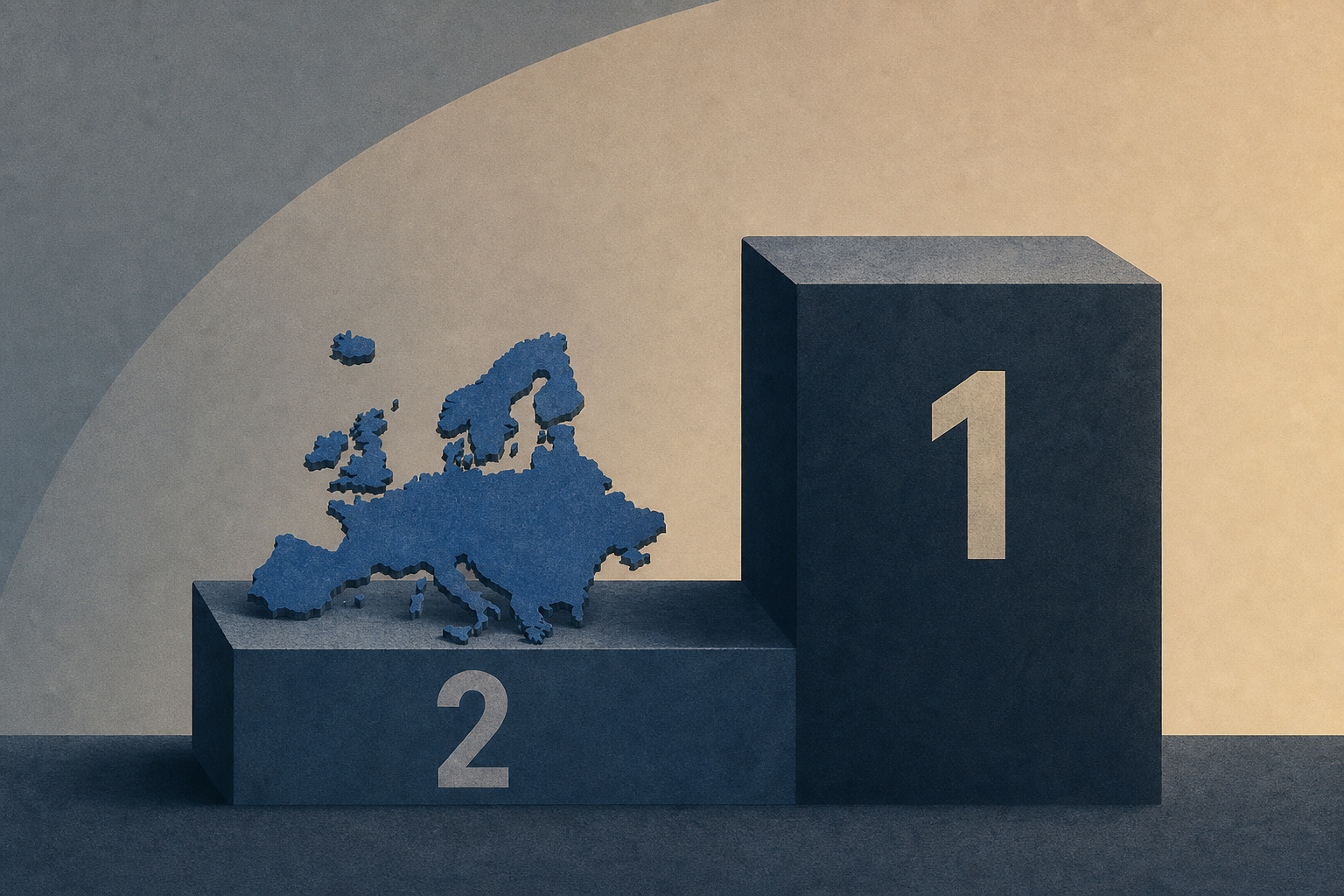
AI Generated Image
Europe's Fall to Second-Class Continent
Daily Signal • • world
Key Points:
- Europe is expressing strong anger toward the U.S. and President Trump, mainly due to tariffs, troop redeployments from NATO, and Trump's Greenland annexation comments, which highlight strategic concerns about Chinese and Russian influence.
- The U.S. shoulders a disproportionately large share of NATO's defense costs and maintains a significant military presence in Europe as a deterrent against Russia, despite European complaints about American troop withdrawals.
- Europe's frustration partly stems from a perceived loss of global influence and economic competitiveness, attributed to policies like reliance on green energy, socialist redistribution, open borders, and immigration challenges, which contrast with the U.S.'s dynamic free-market economy.
- The U.S. has shifted policies to correct past approaches, such as addressing open borders and green energy reliance, and seeks to advise Europe against repeating these mistakes to avoid becoming a "second-class continent."
- Despite current tensions, there is potential for a powerful transatlantic partnership if both the U.S. and Europe realize their full economic and strategic potential, ensuring security against global threats like China, Russia, and terrorism.


