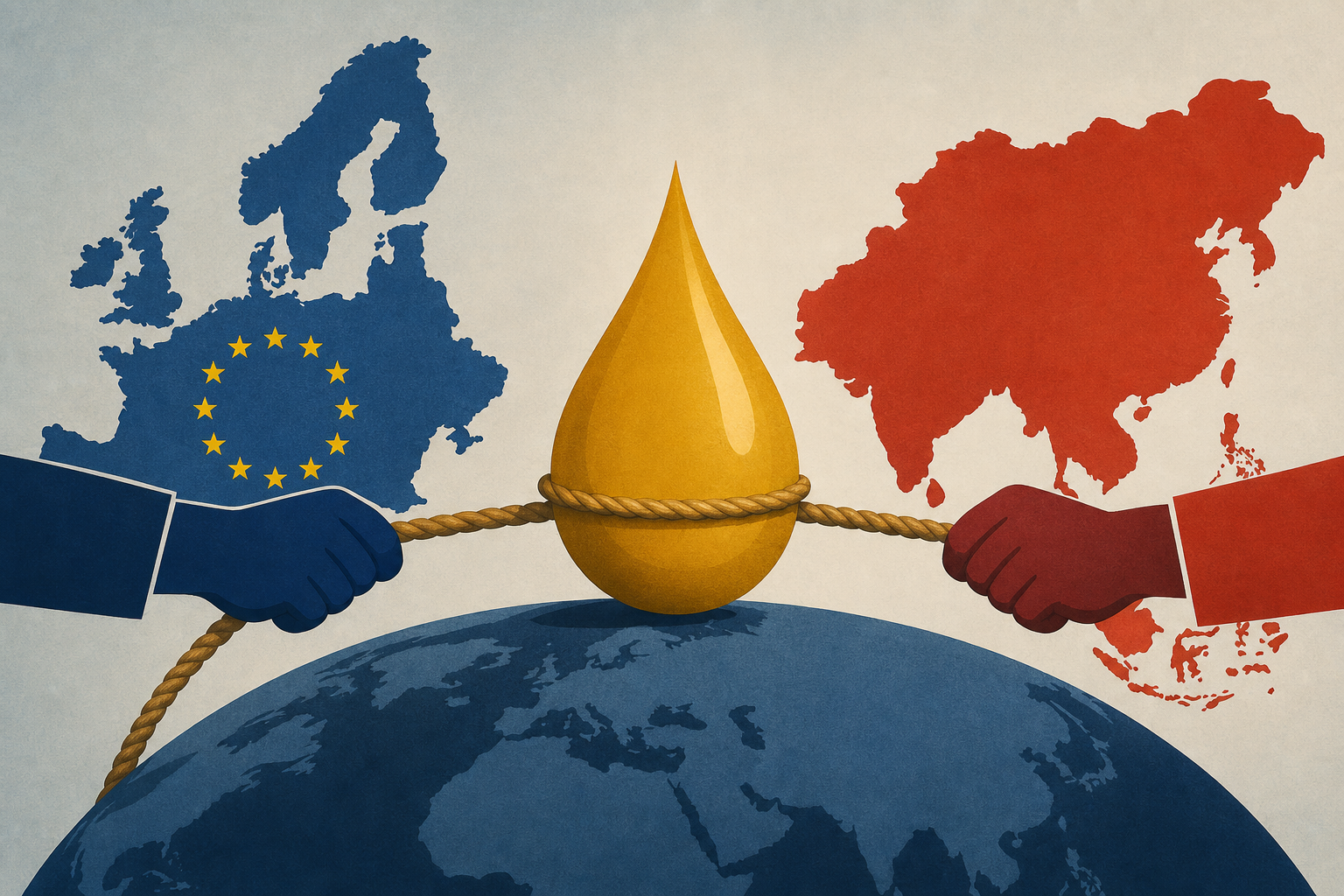
AI Generated Image
‘Every man for himself’: Europe warned of rising competition for energy from Asia
politico.eu • • business
Key Points:
- The EU's coordinated group energy purchasing policy, established after Russia's invasion of Ukraine, has struggled to stabilize gas and electricity prices, with storage levels remaining below the five-year average due to high summer prices disrupting normal buying patterns.
- Rising gas demand in Asia, driven by a hotter summer and increased air conditioning use, could force Asian countries to compete with Europe on the spot market, potentially causing a transcontinental struggle for LNG cargoes and driving prices higher.
- The EU faces challenges coordinating energy imports across its 27 member states, lacking the centralized authority seen in Asian command economies like China, which can direct companies to secure LNG supplies more aggressively during crises.
- Attempts to use platforms like AggregateEU for collective bargaining have seen limited success, as major importers prefer independent negotiations, and concerns about competition law hinder deeper cooperation.
- While a U.S.-Iran peace deal might ease supply pressures, Asian buyers, including South Korea, Thailand, Vietnam, and potentially China, are expected to increase spot market purchases, posing ongoing risks to European gas supply stability and prices.


